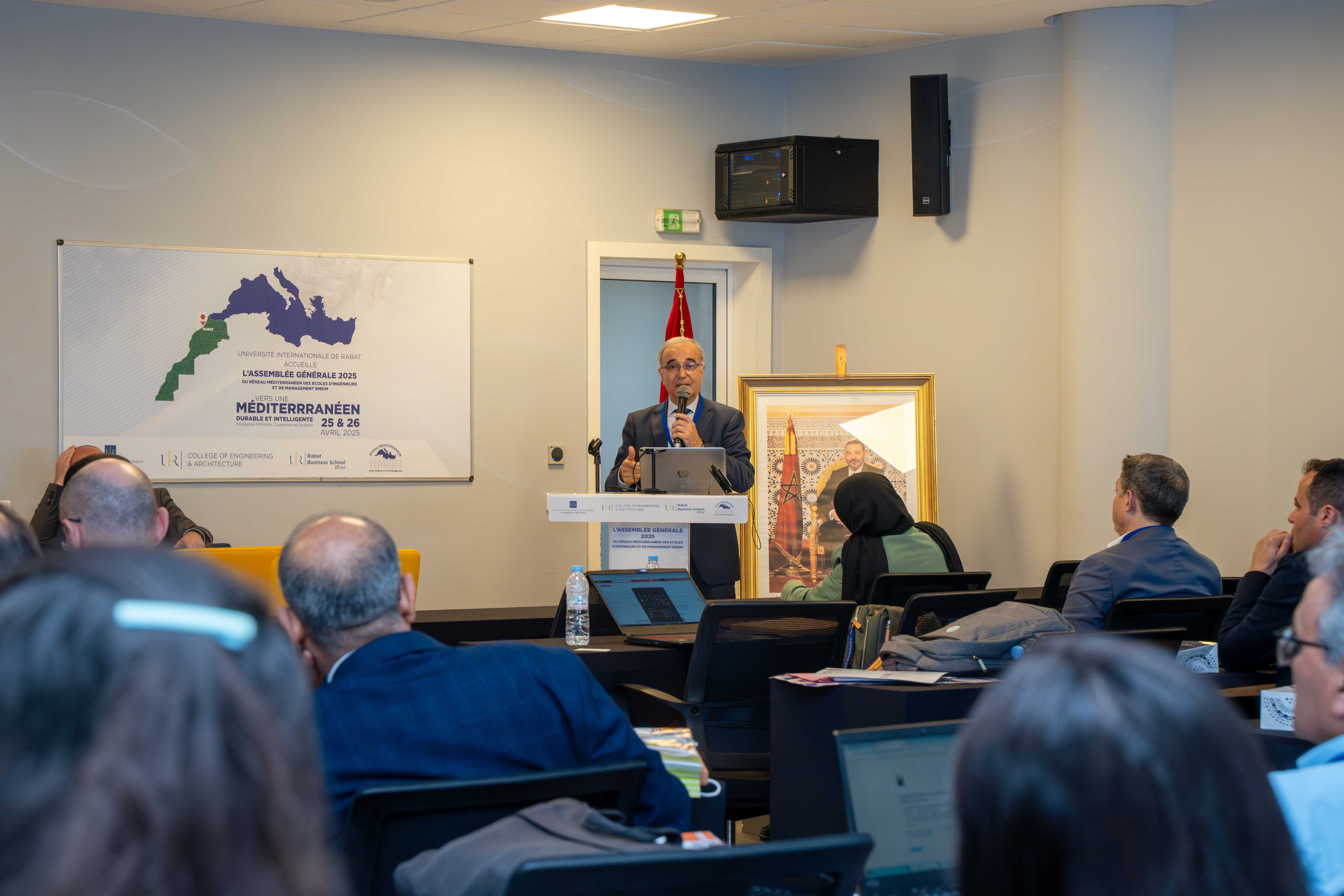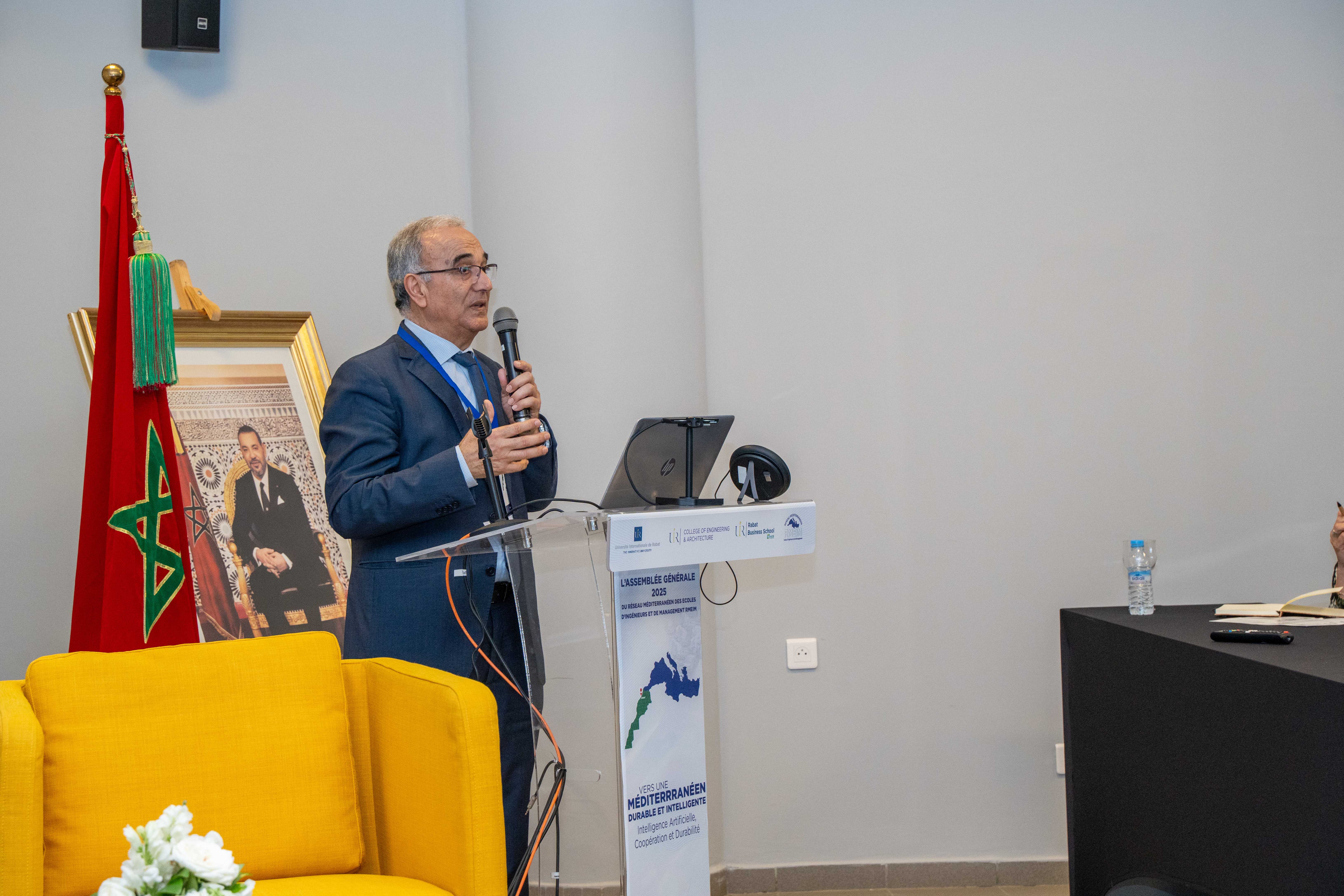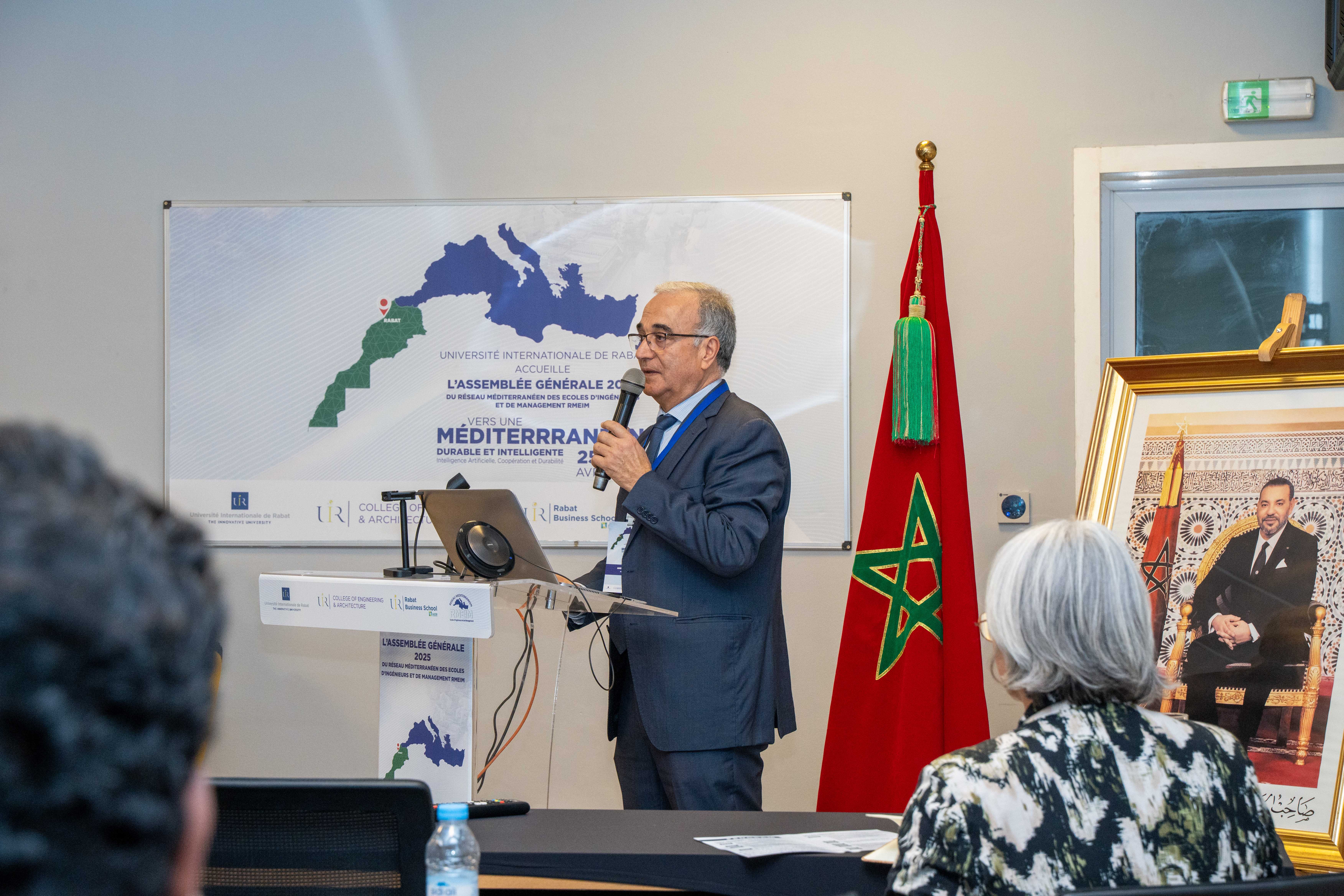





5ème colloque sur l'accréditation des Formations d'ingénieurs et de management
Read more ... Linkedin ...




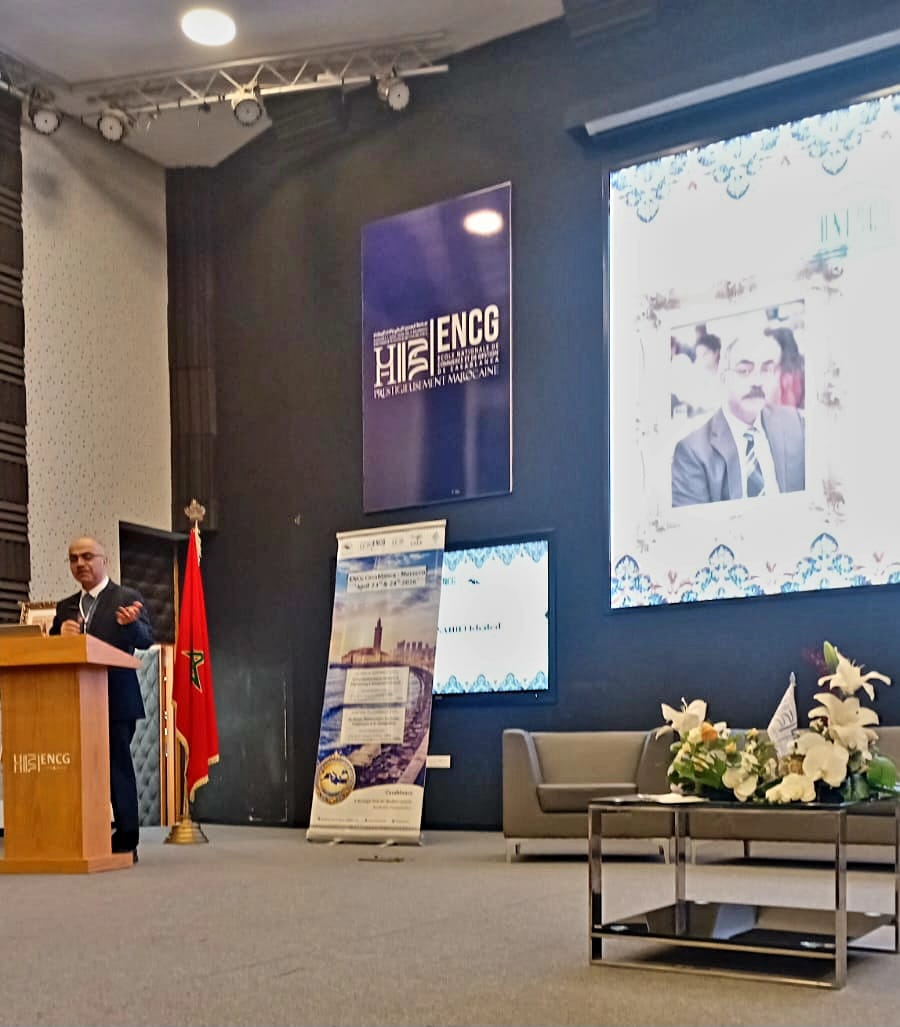
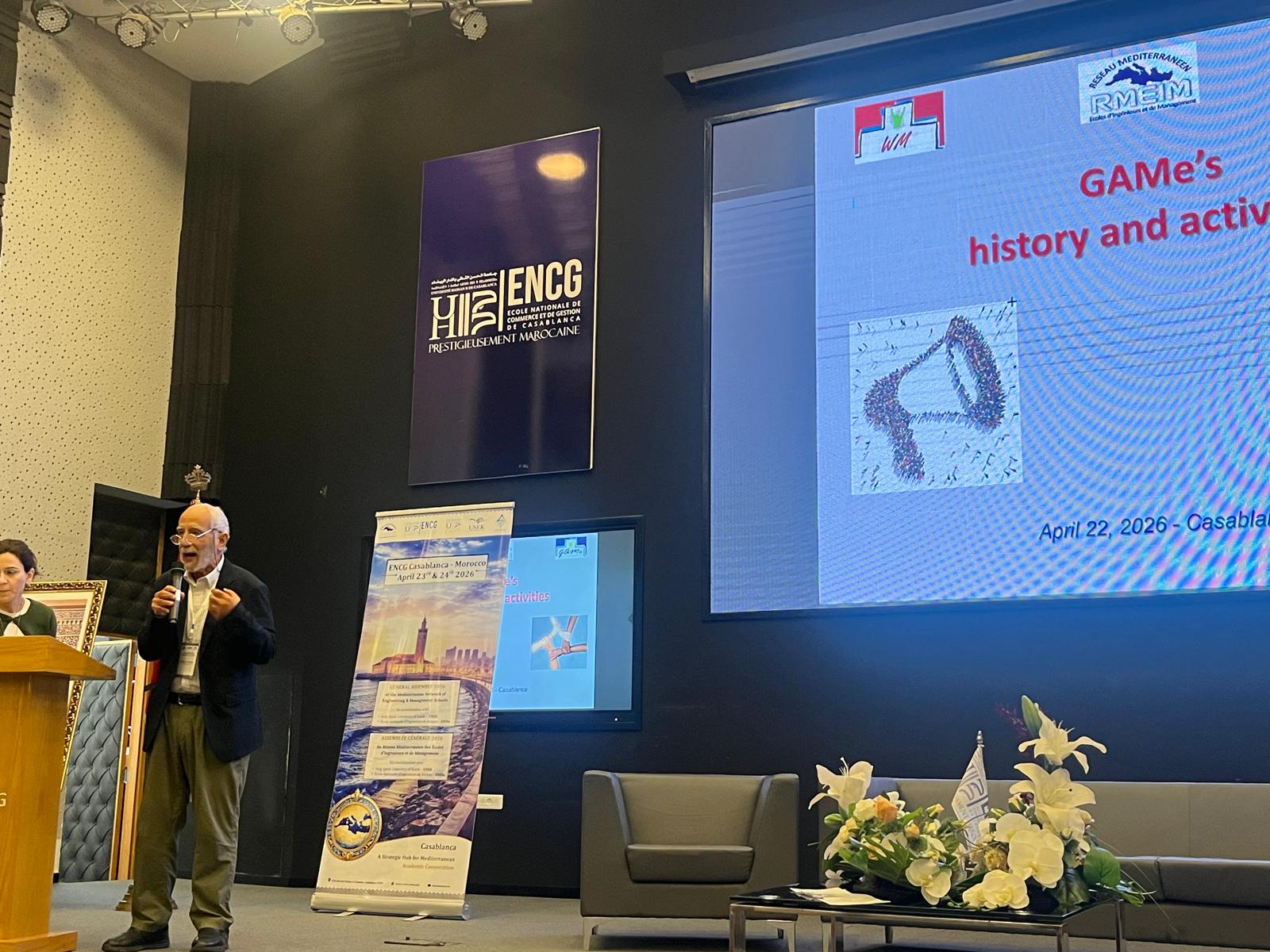
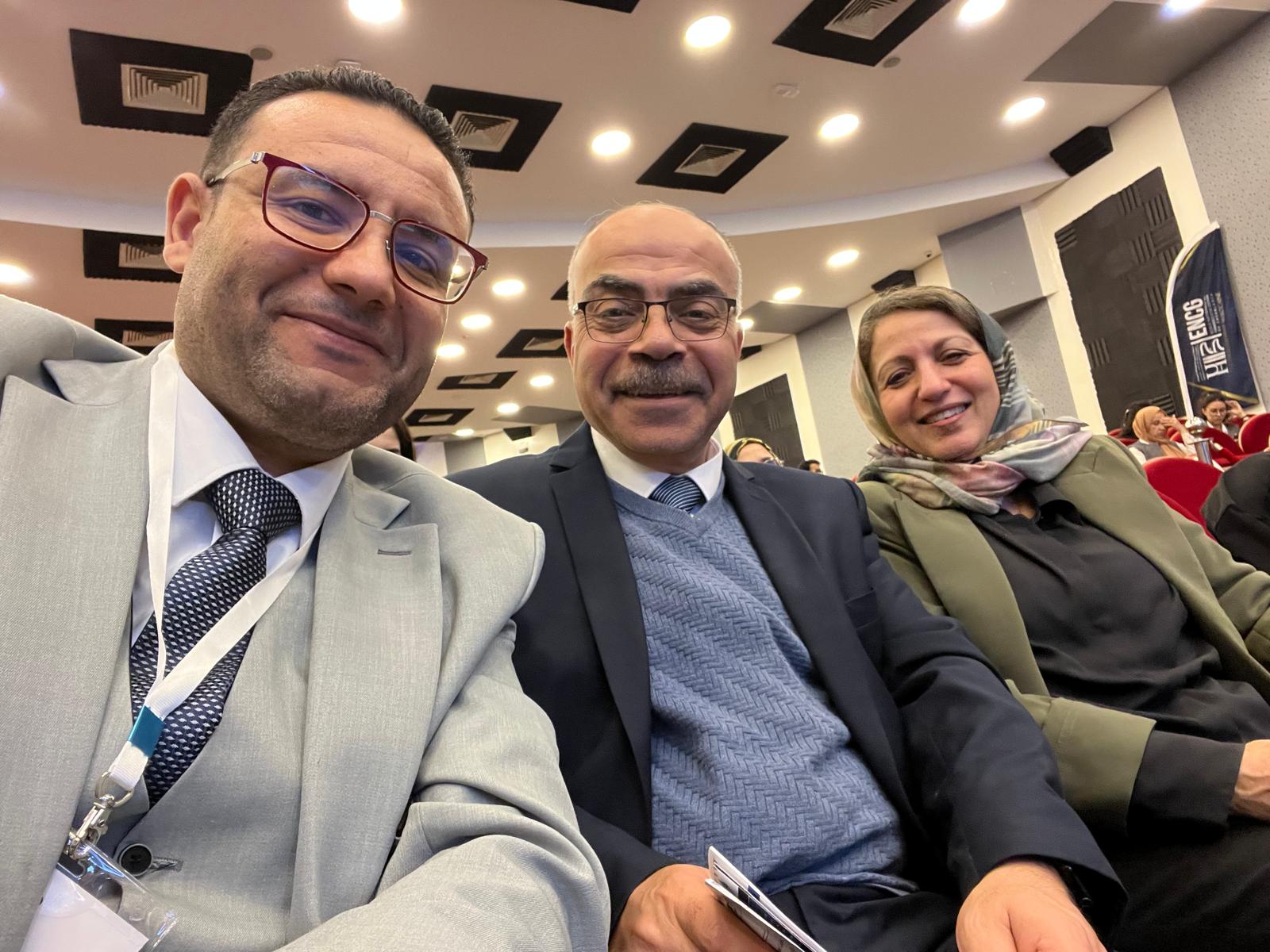
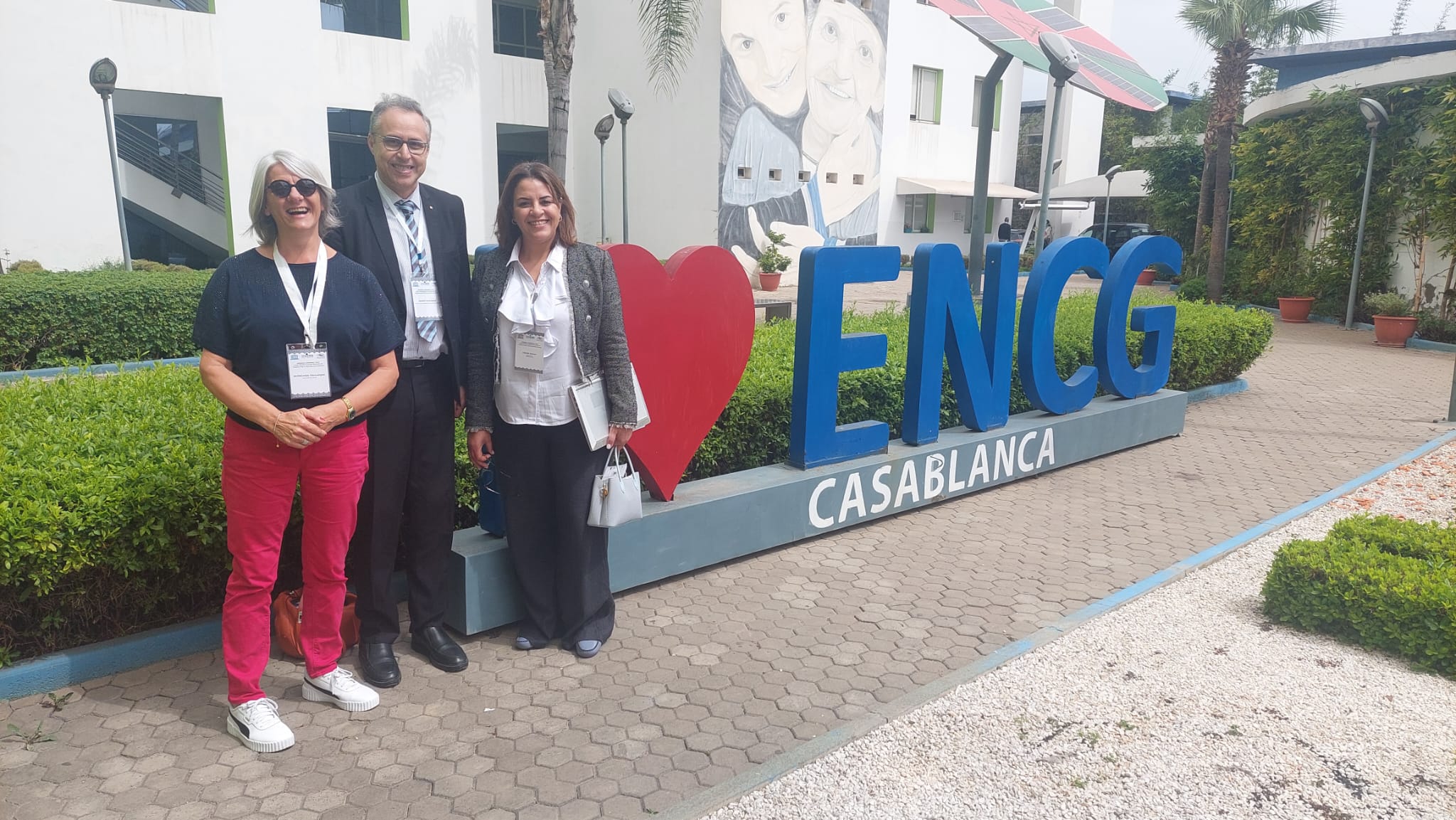
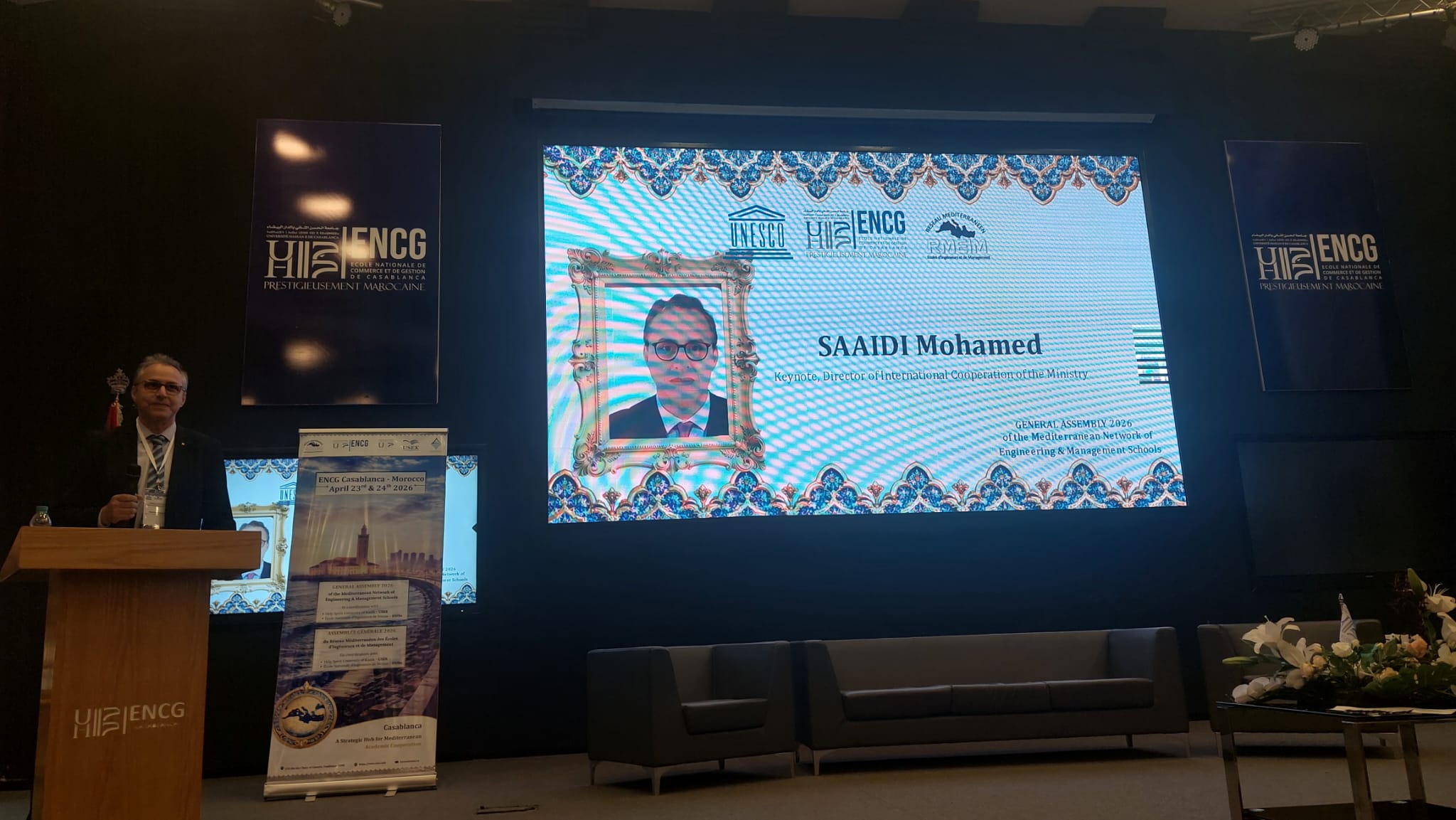
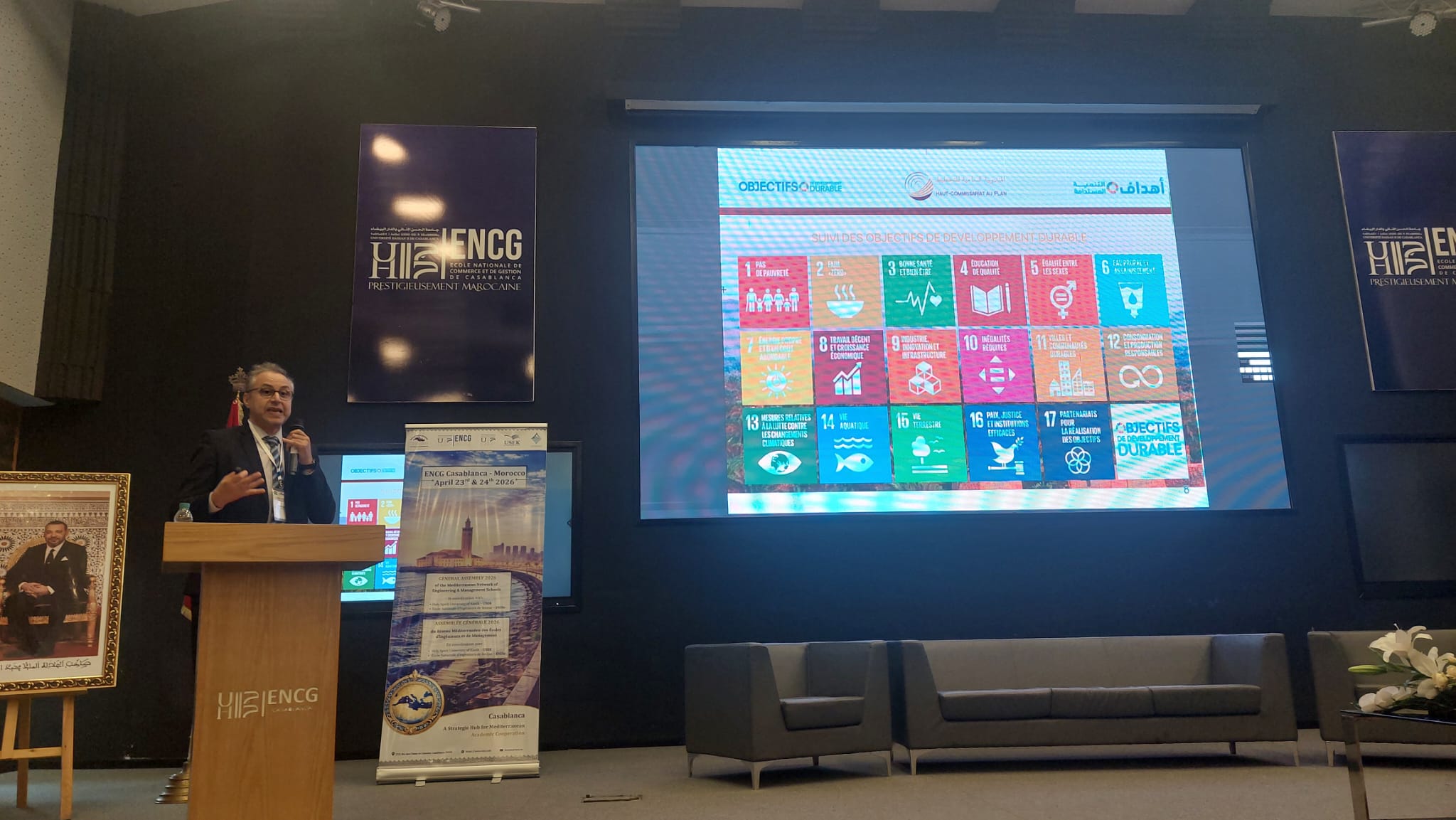
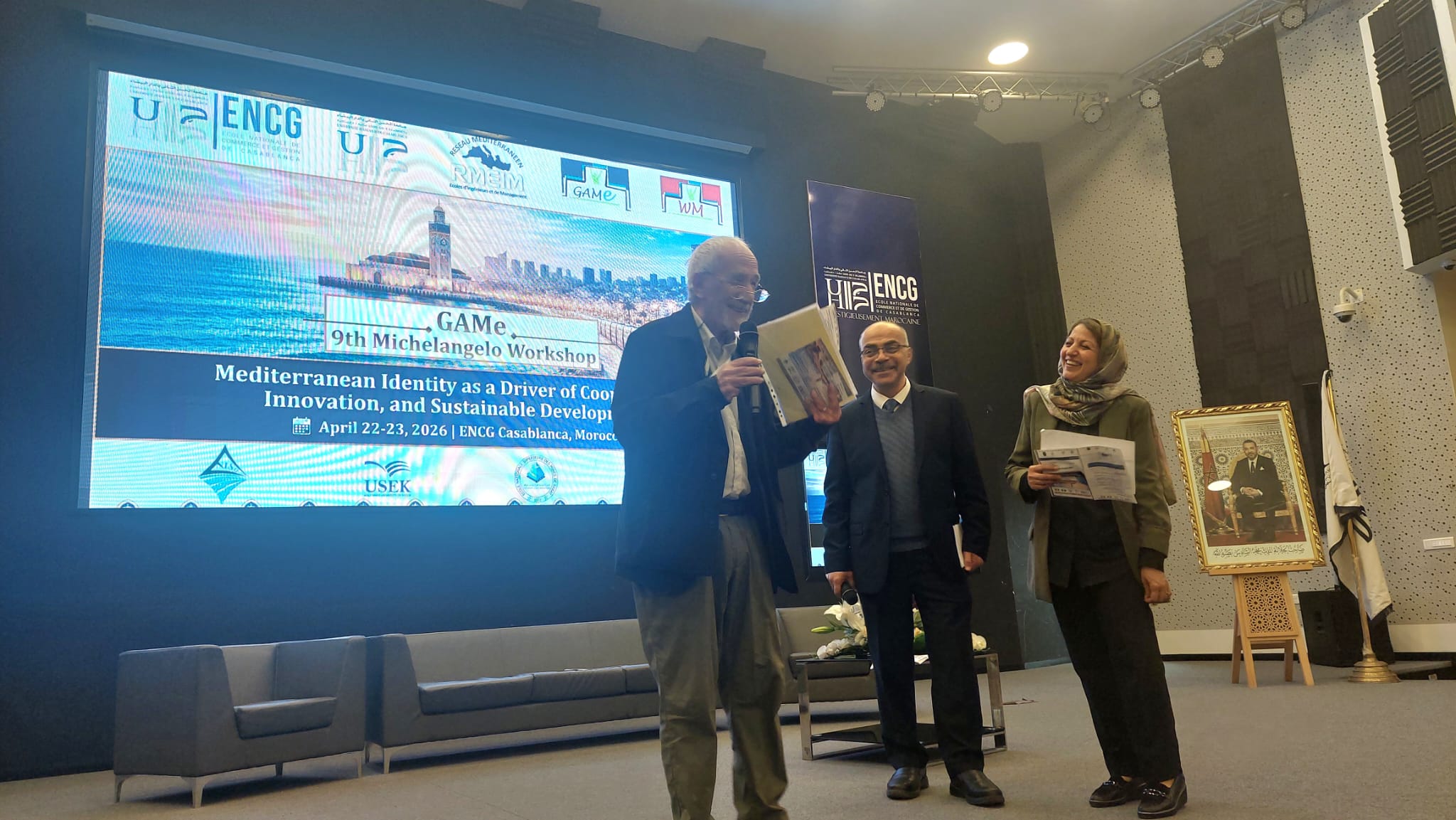
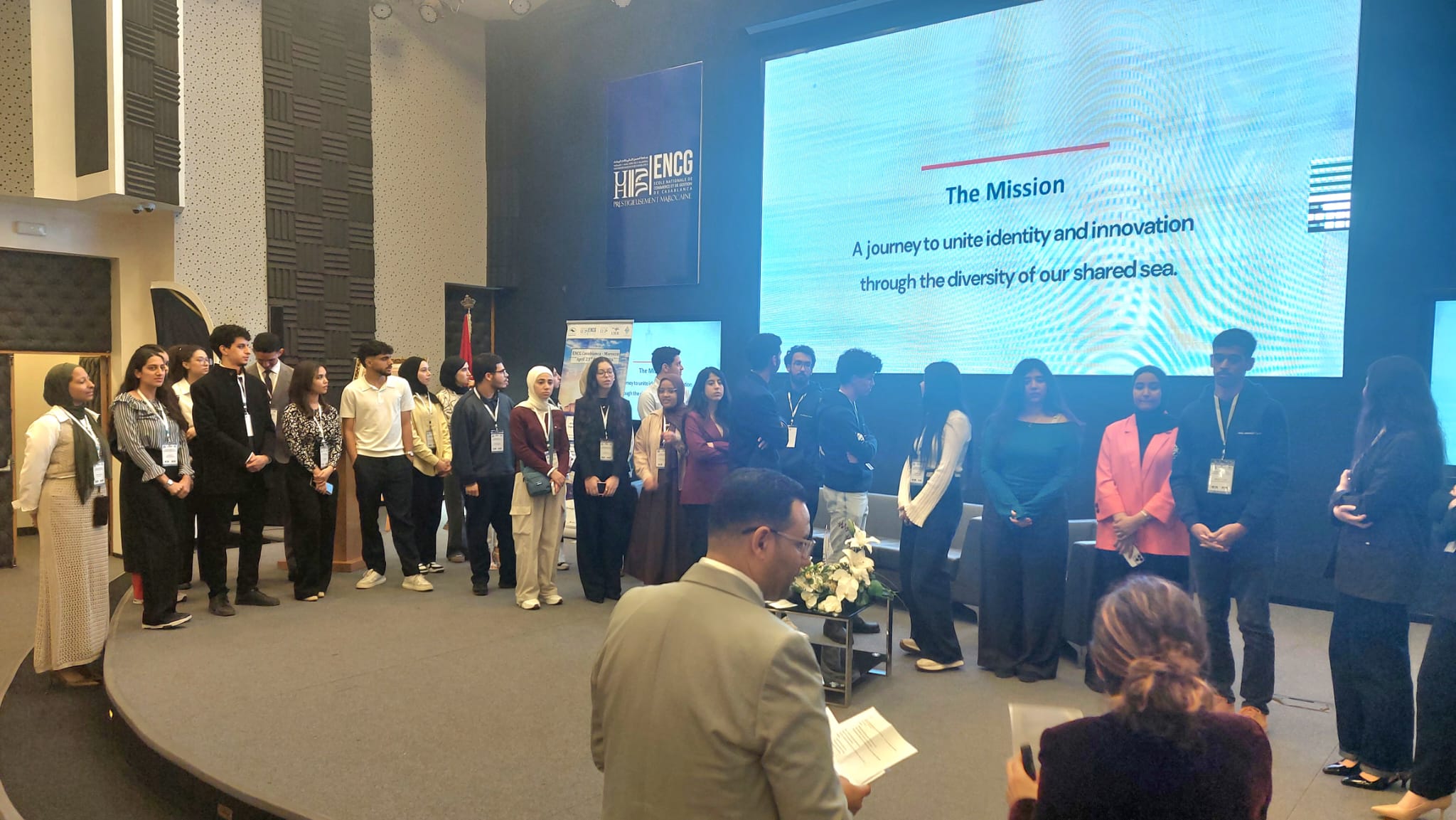
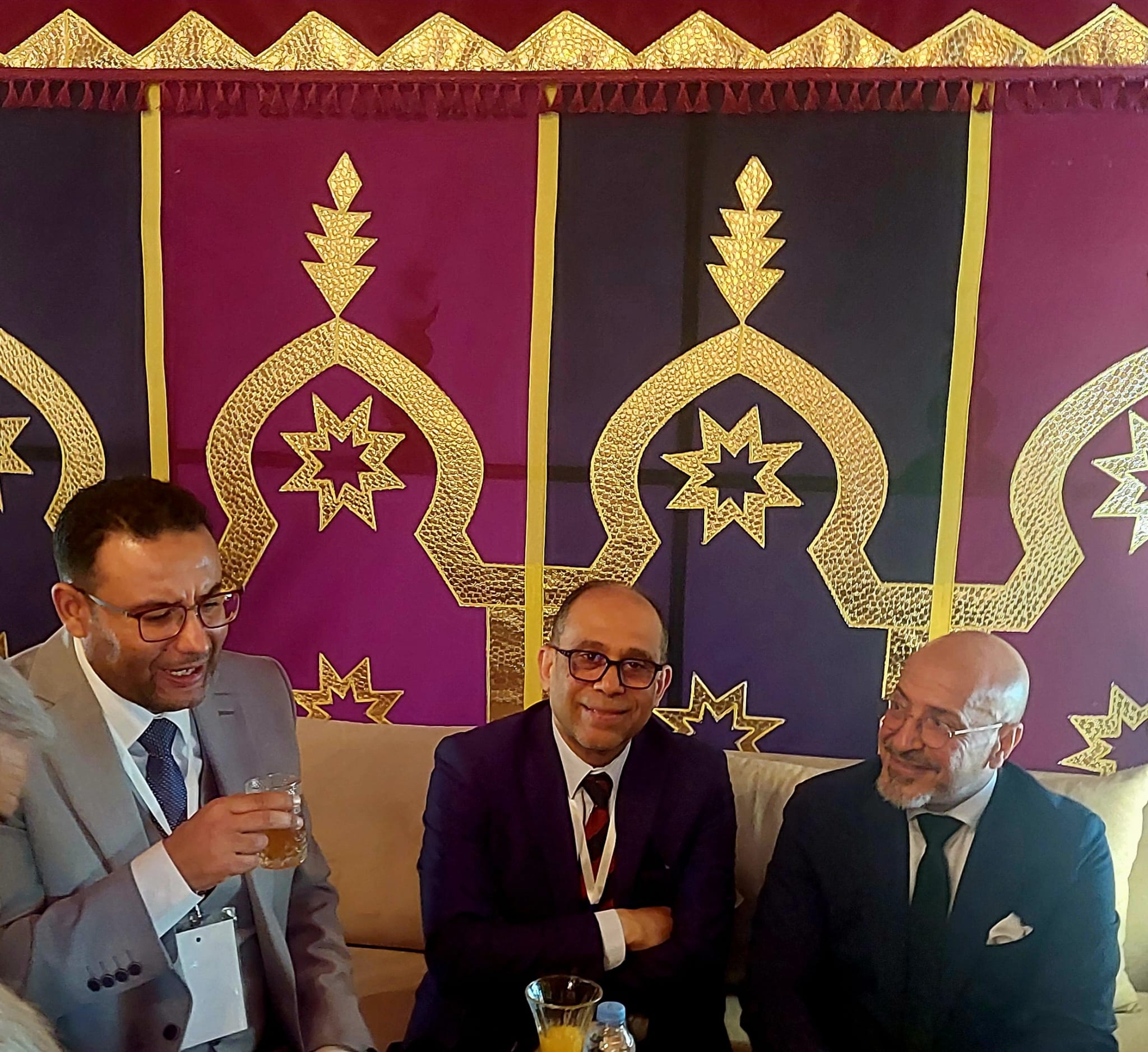
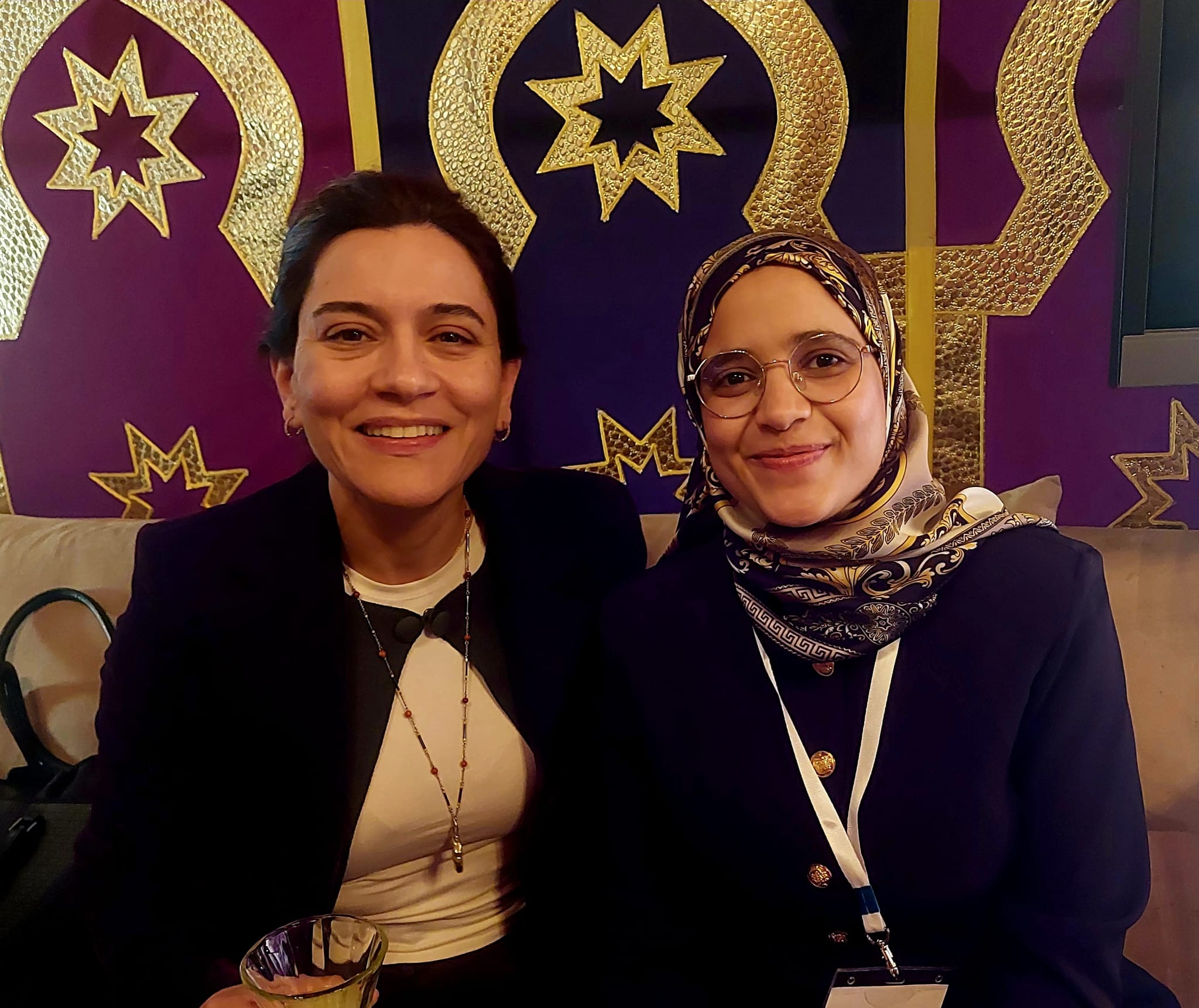
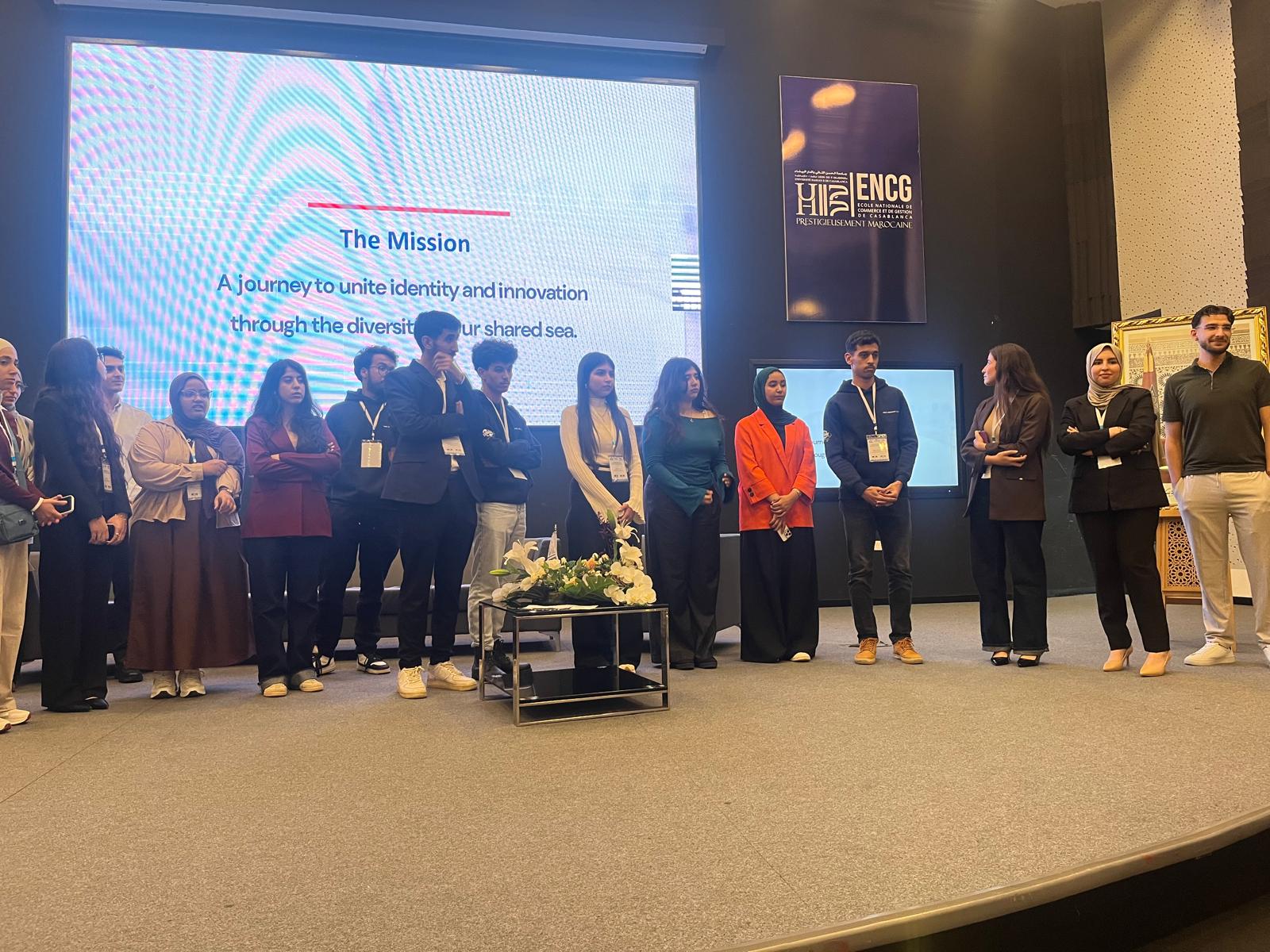
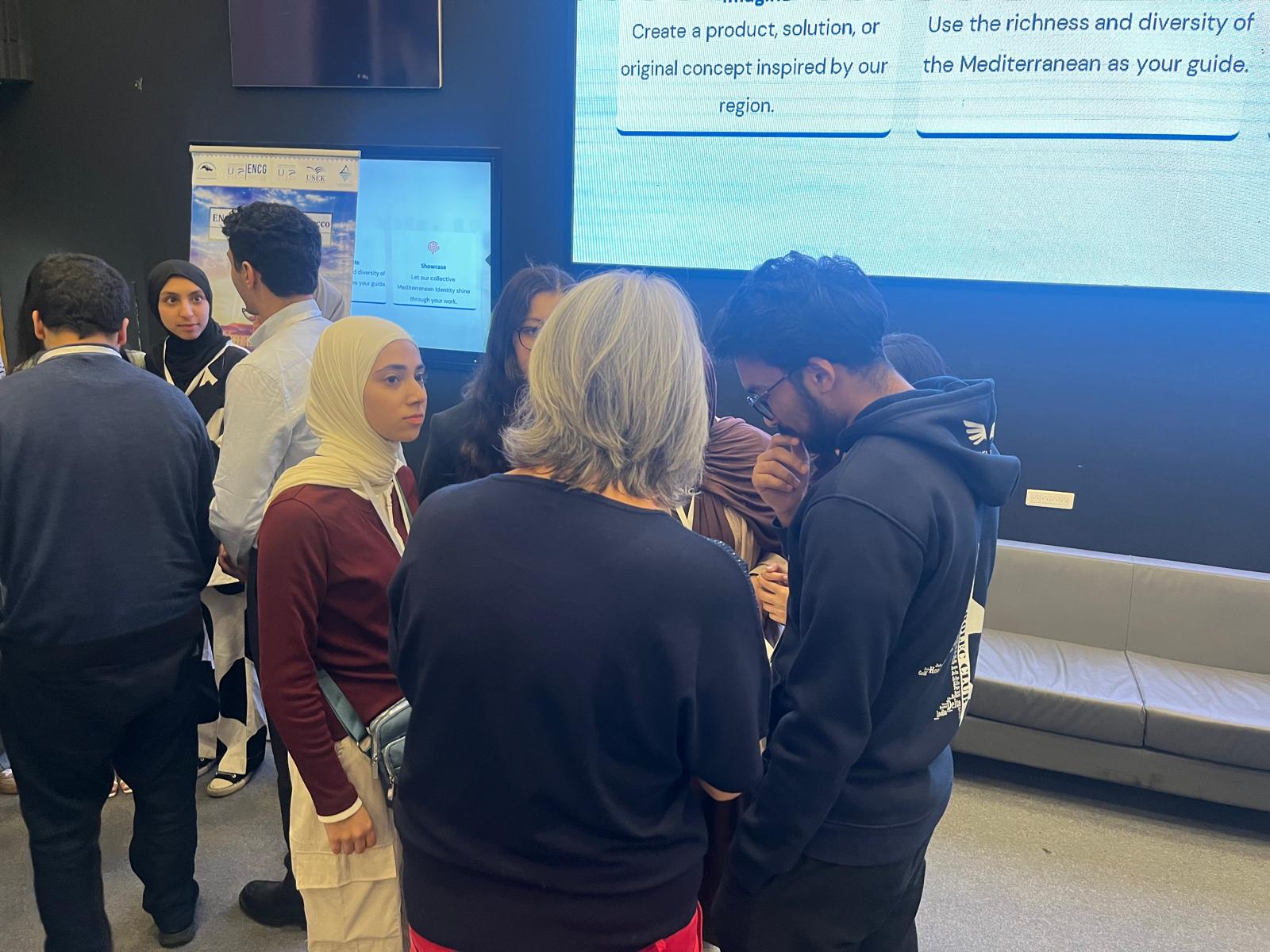
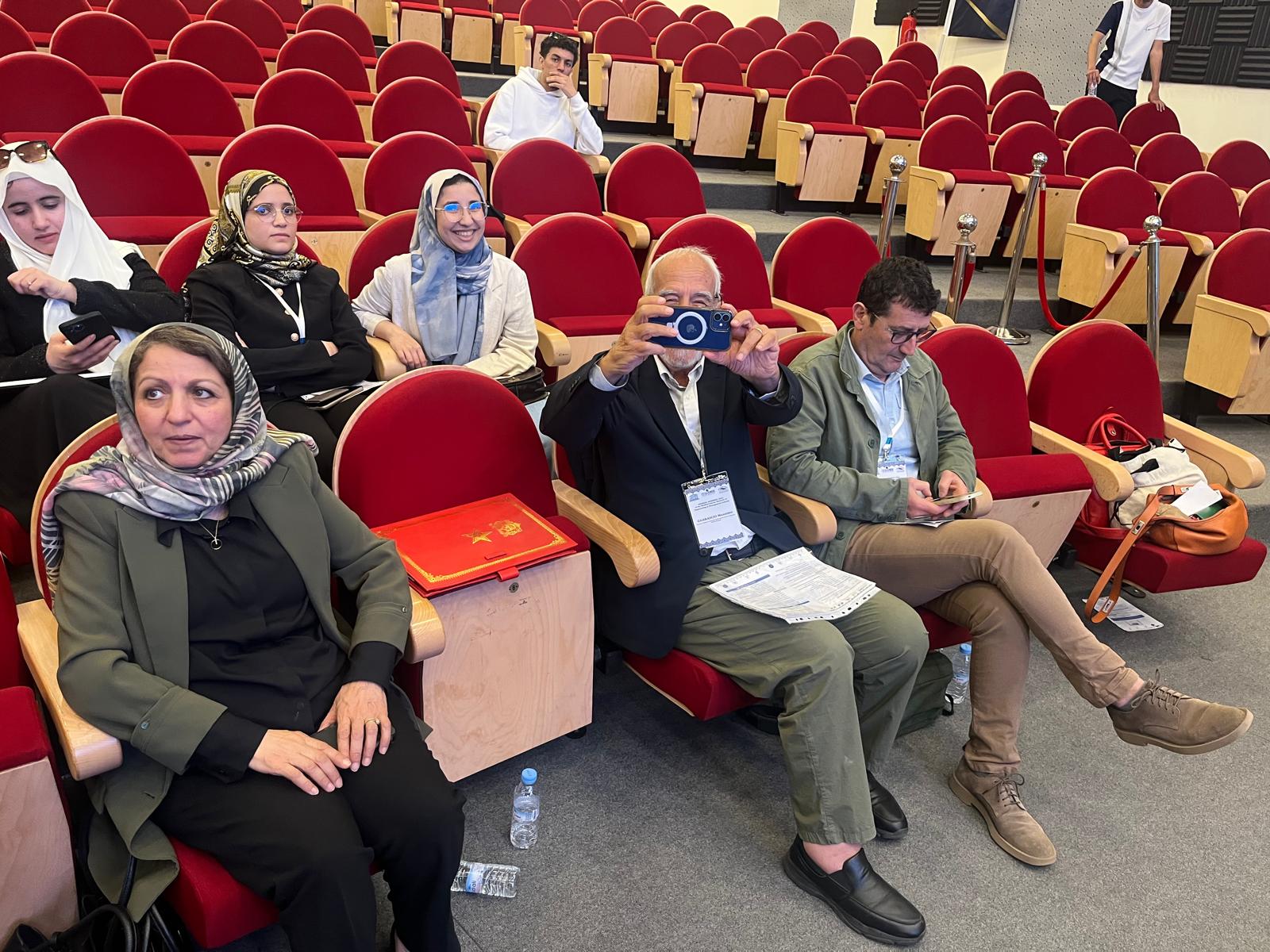
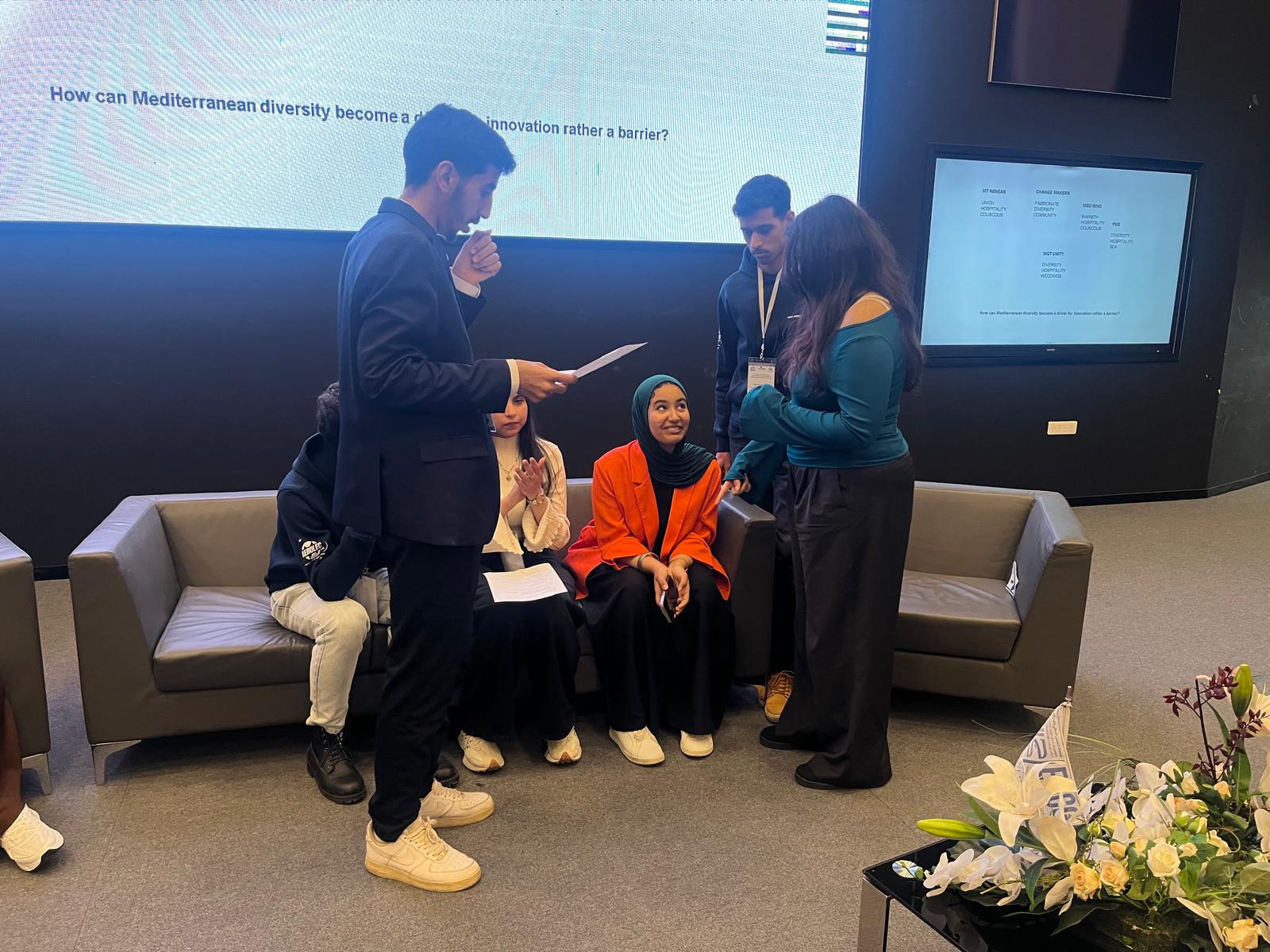
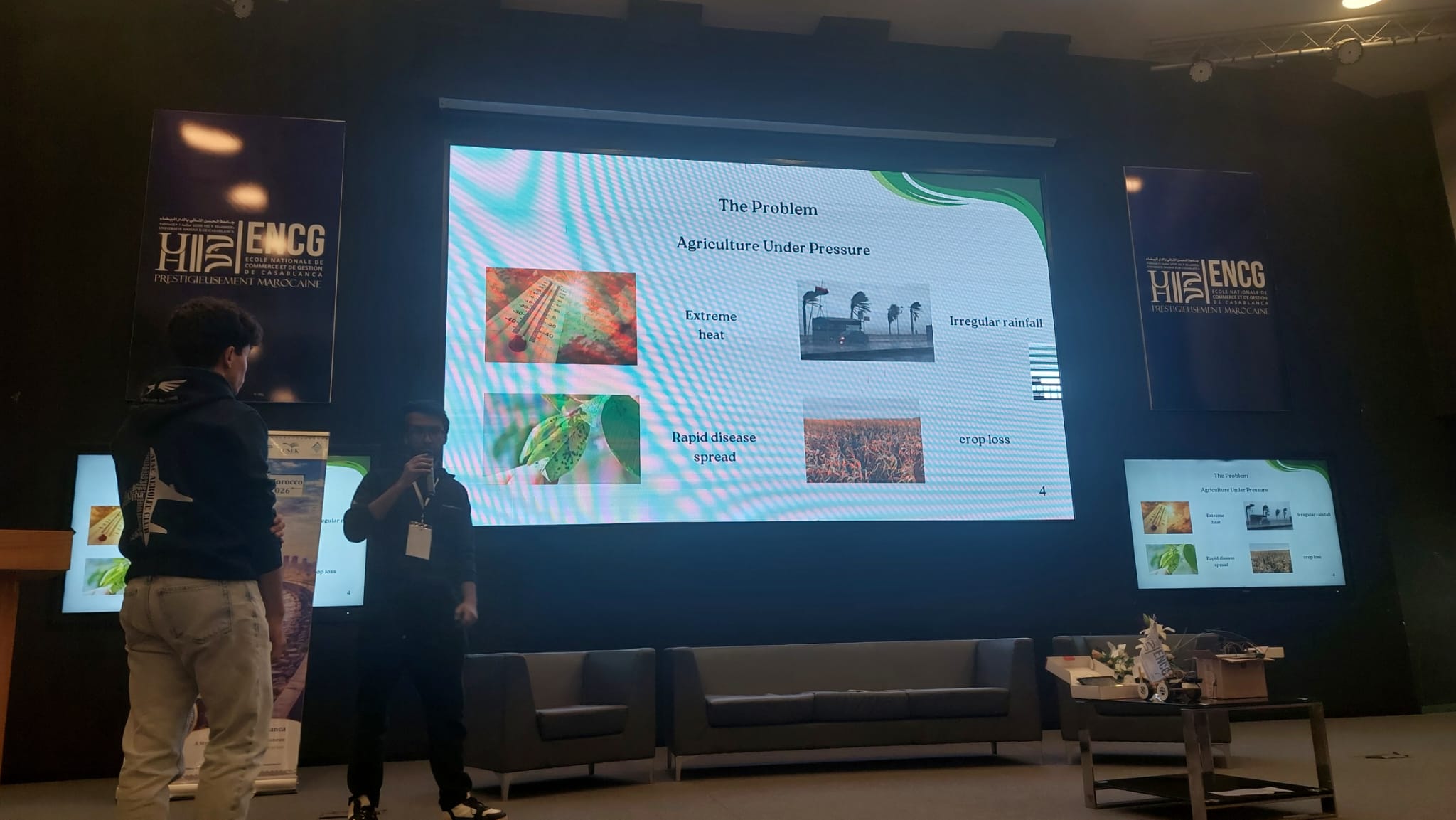
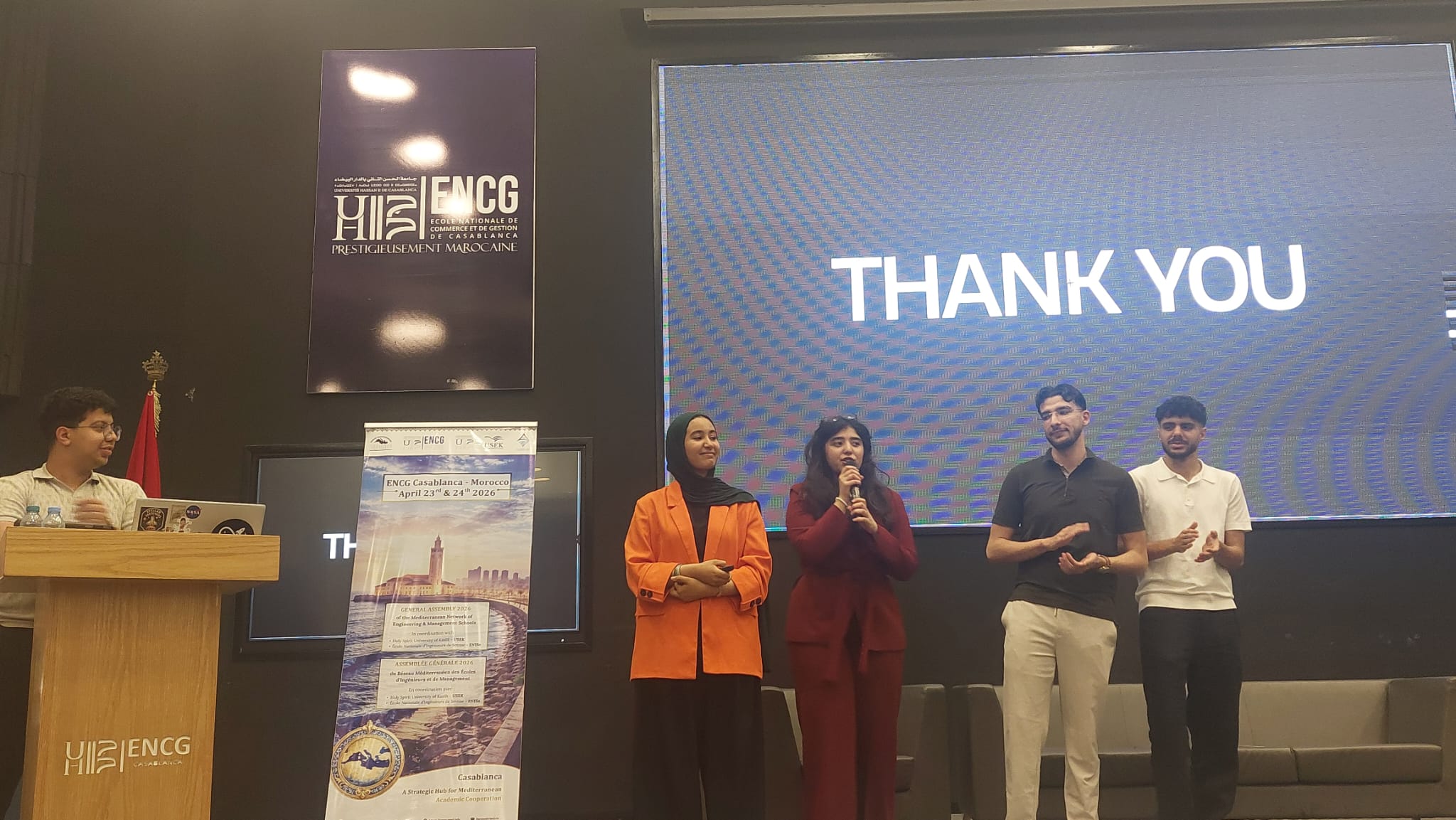
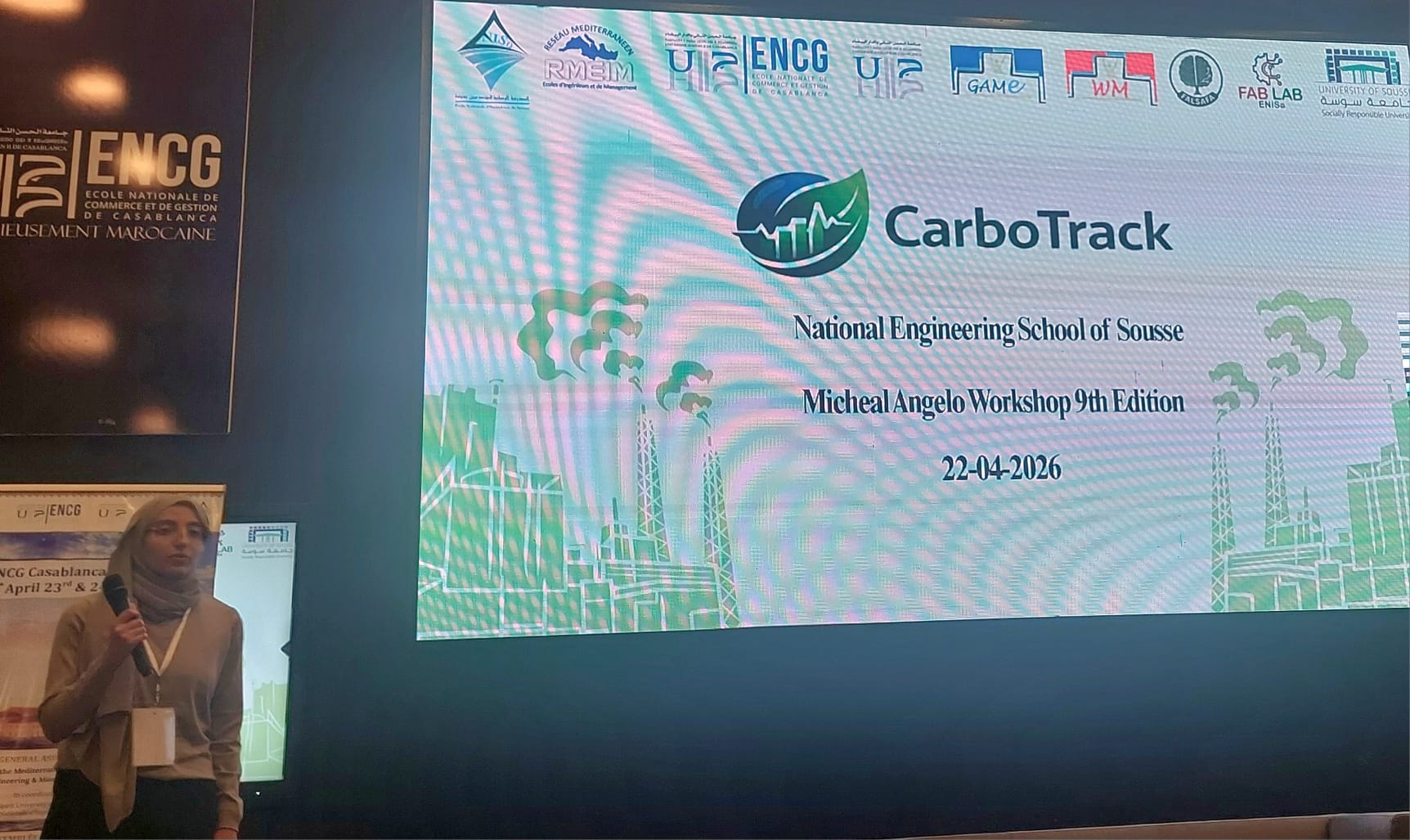
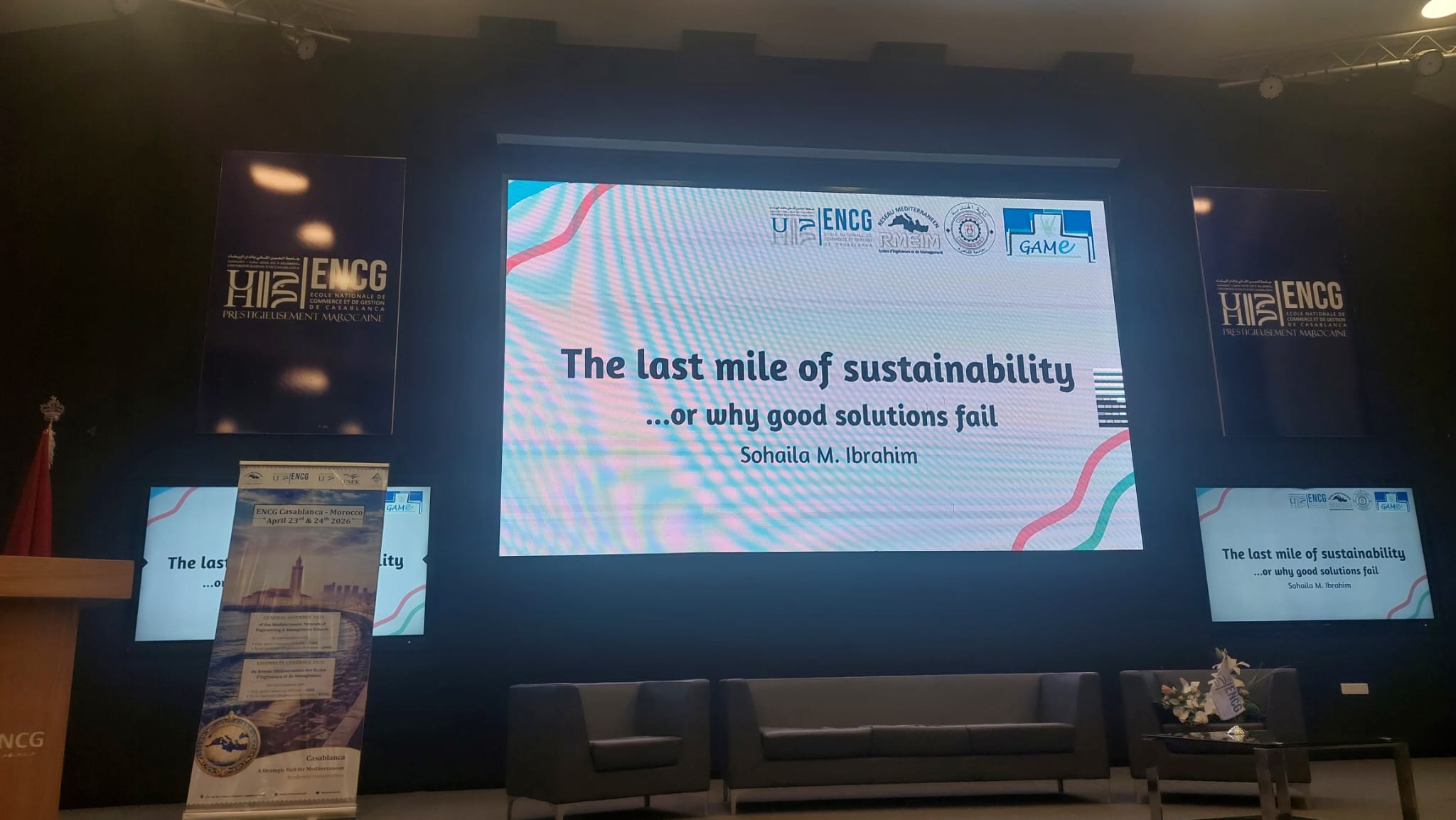
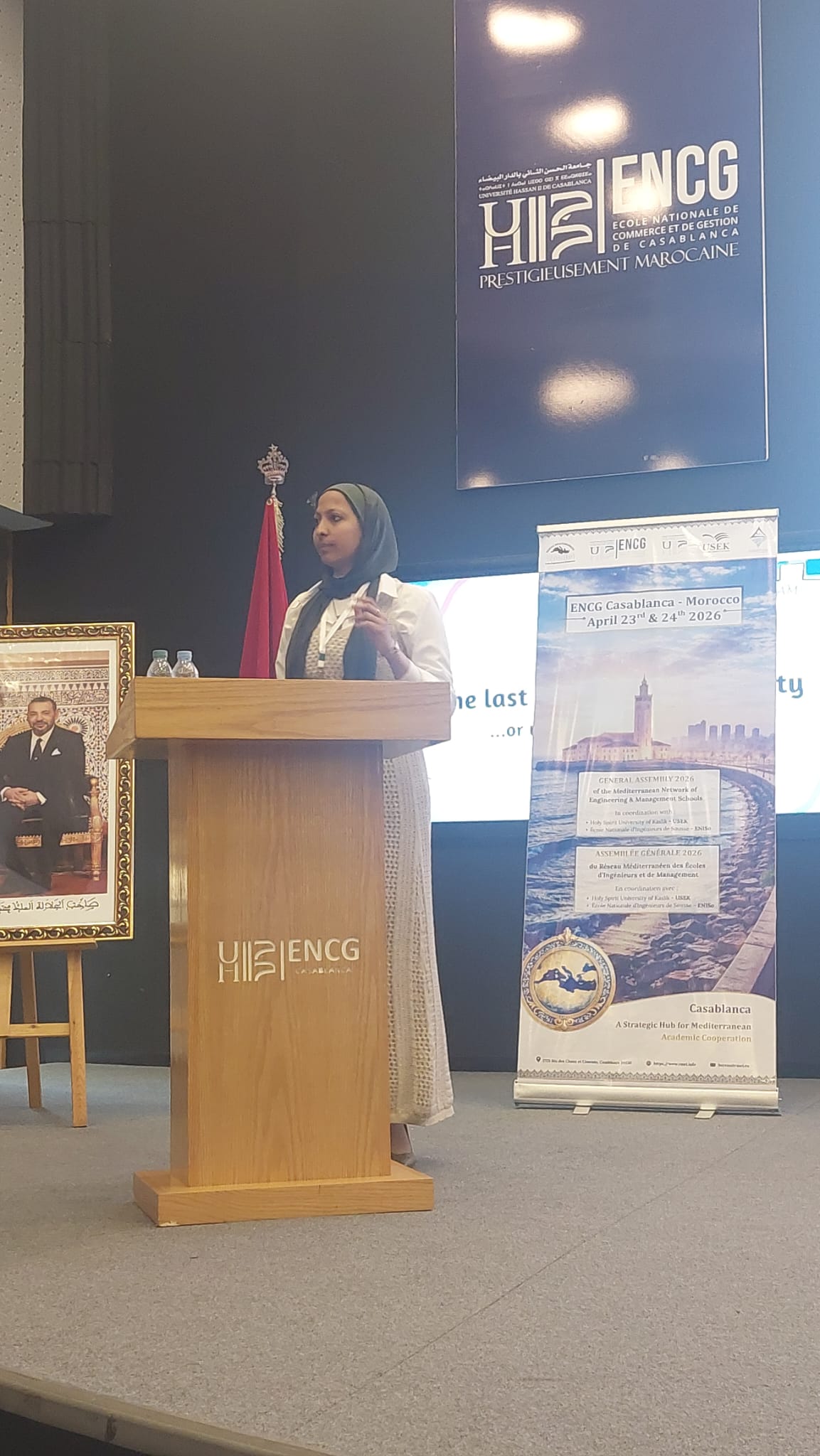
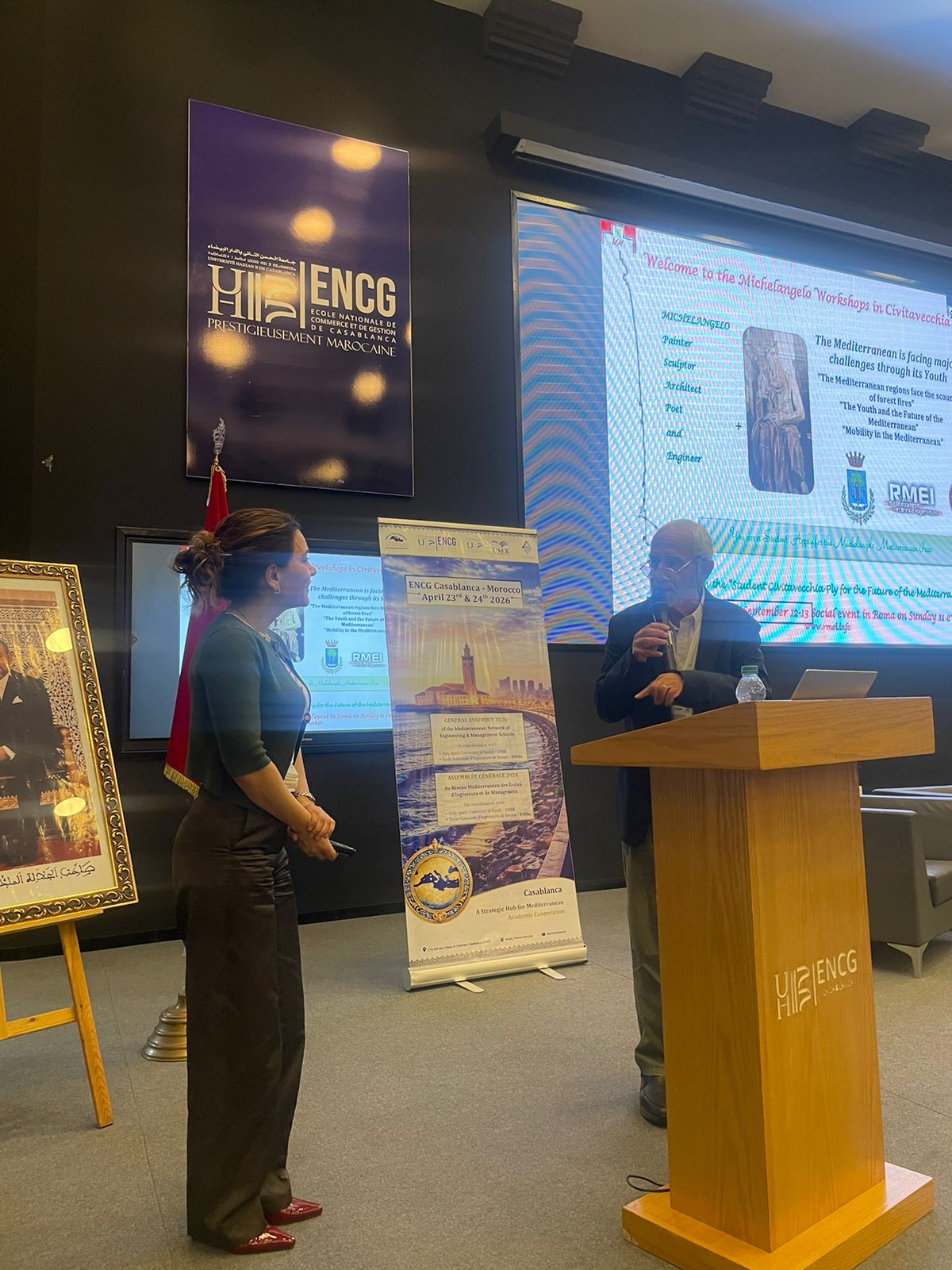
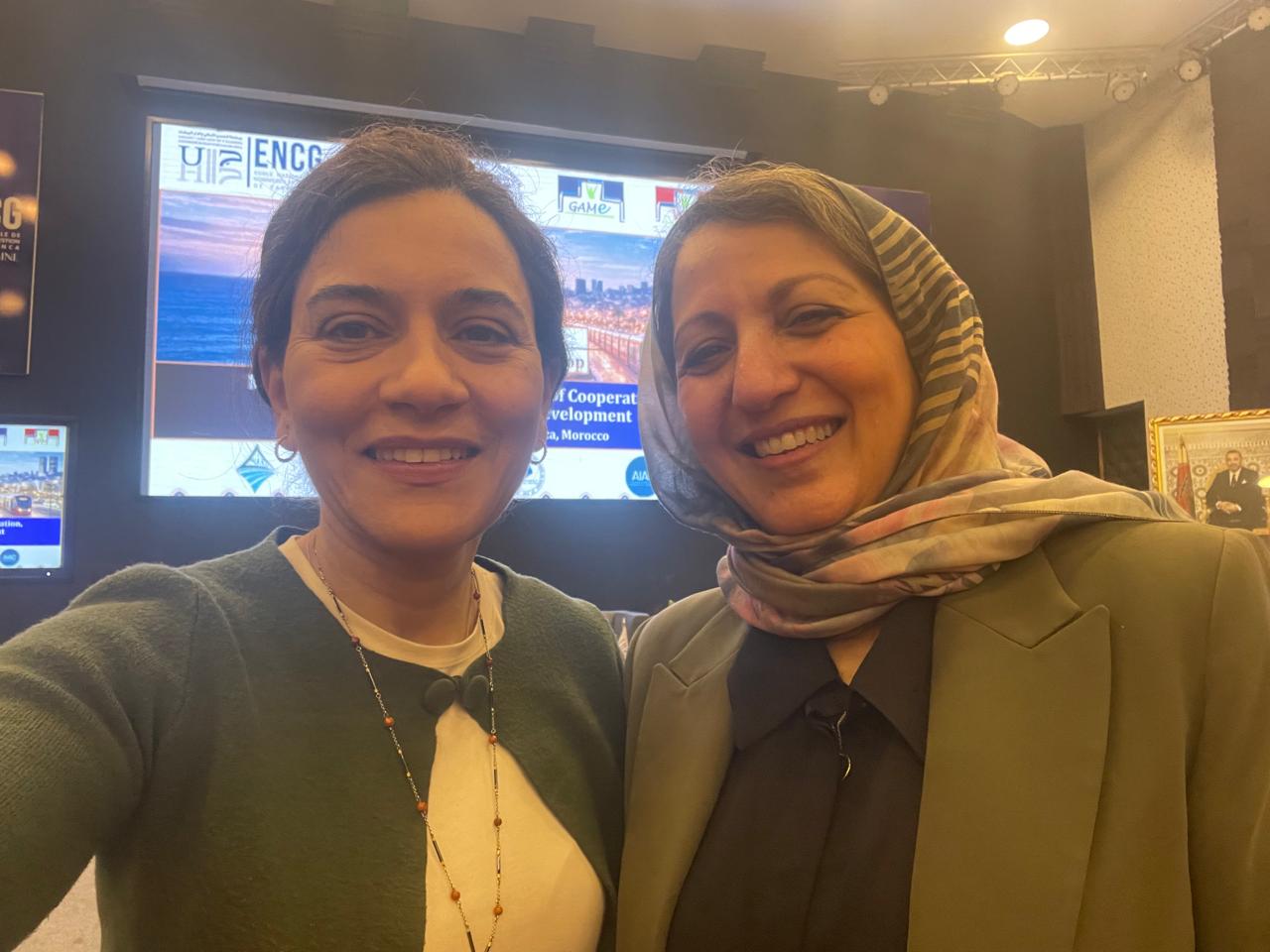
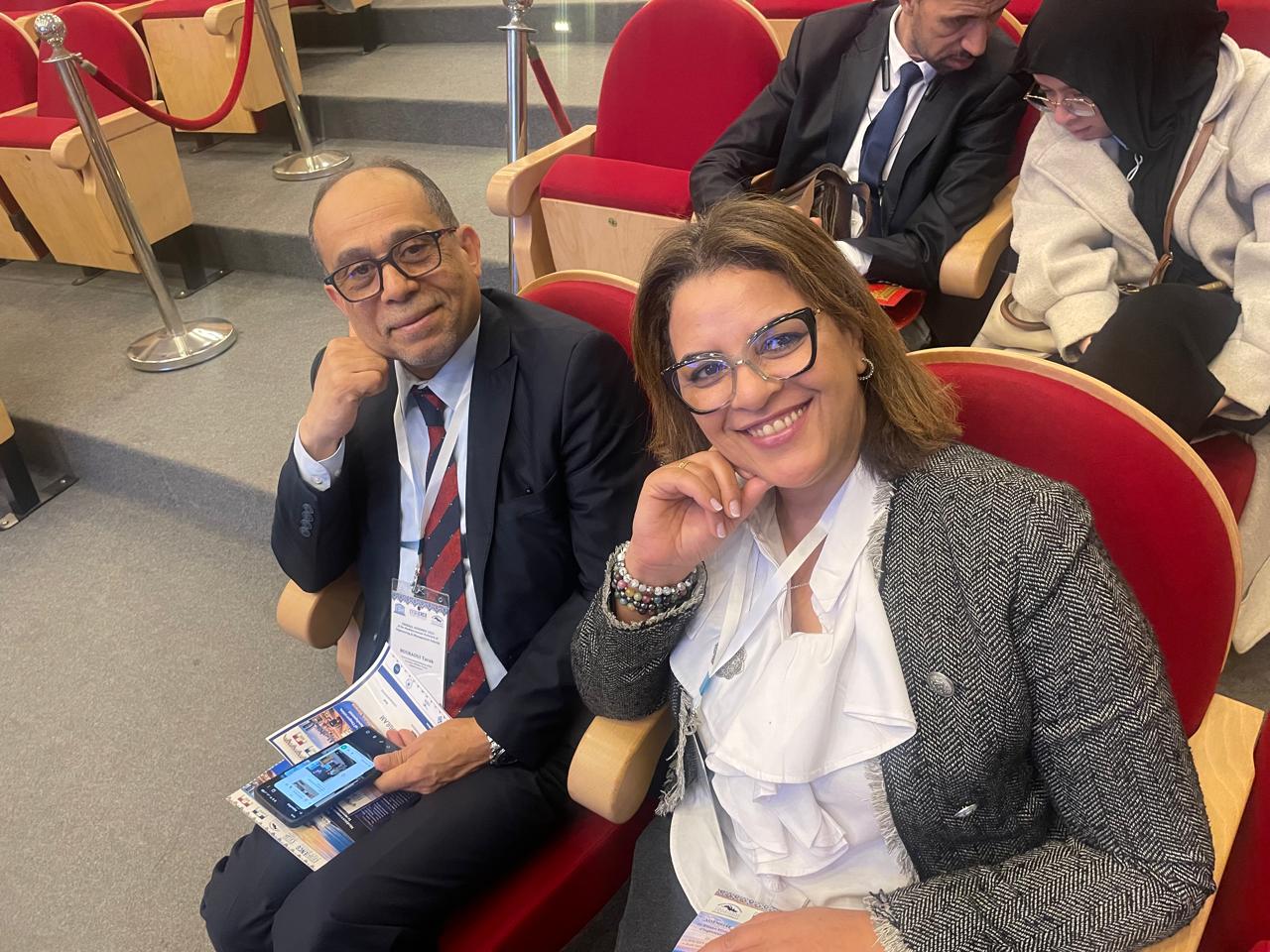
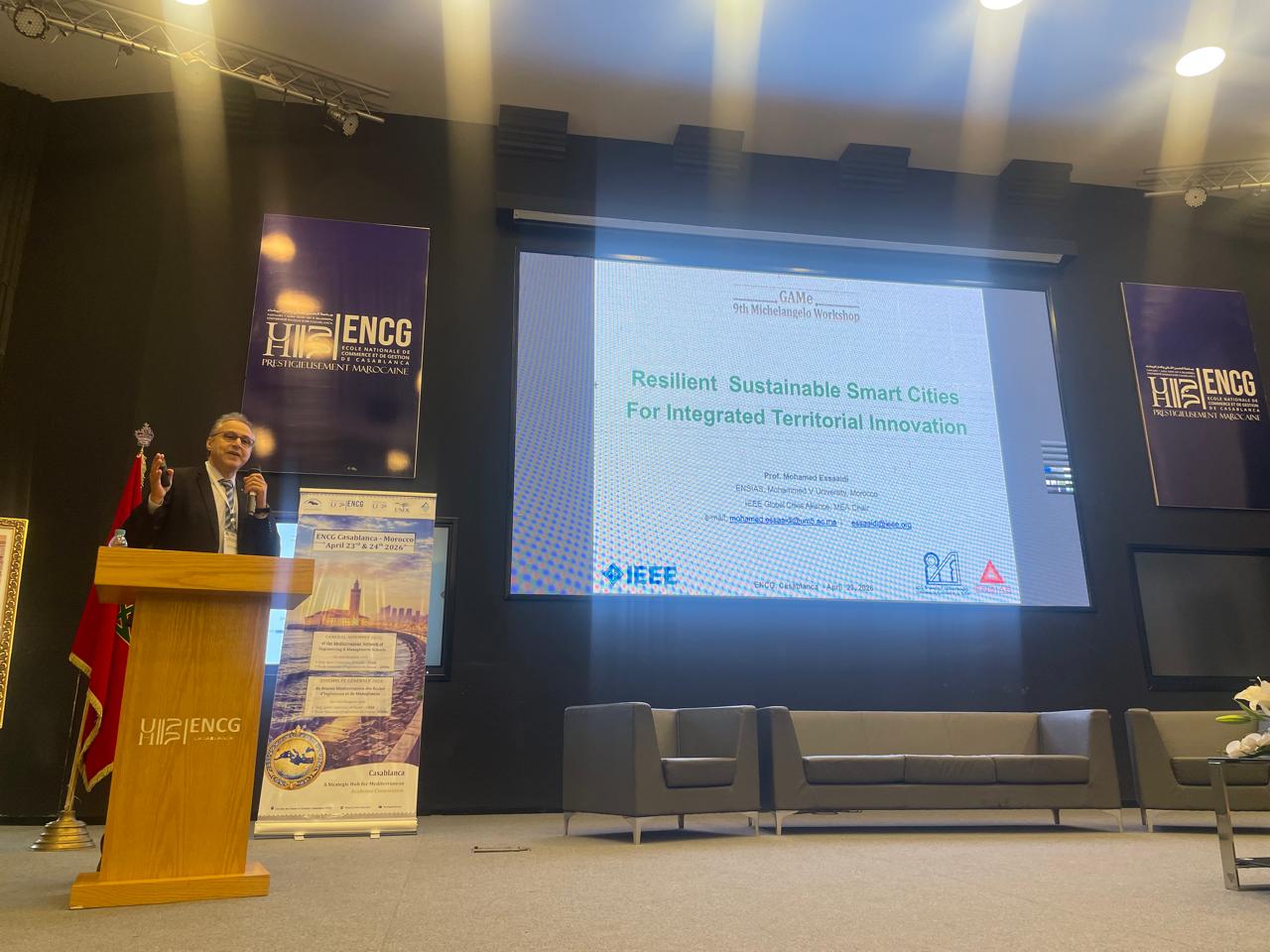
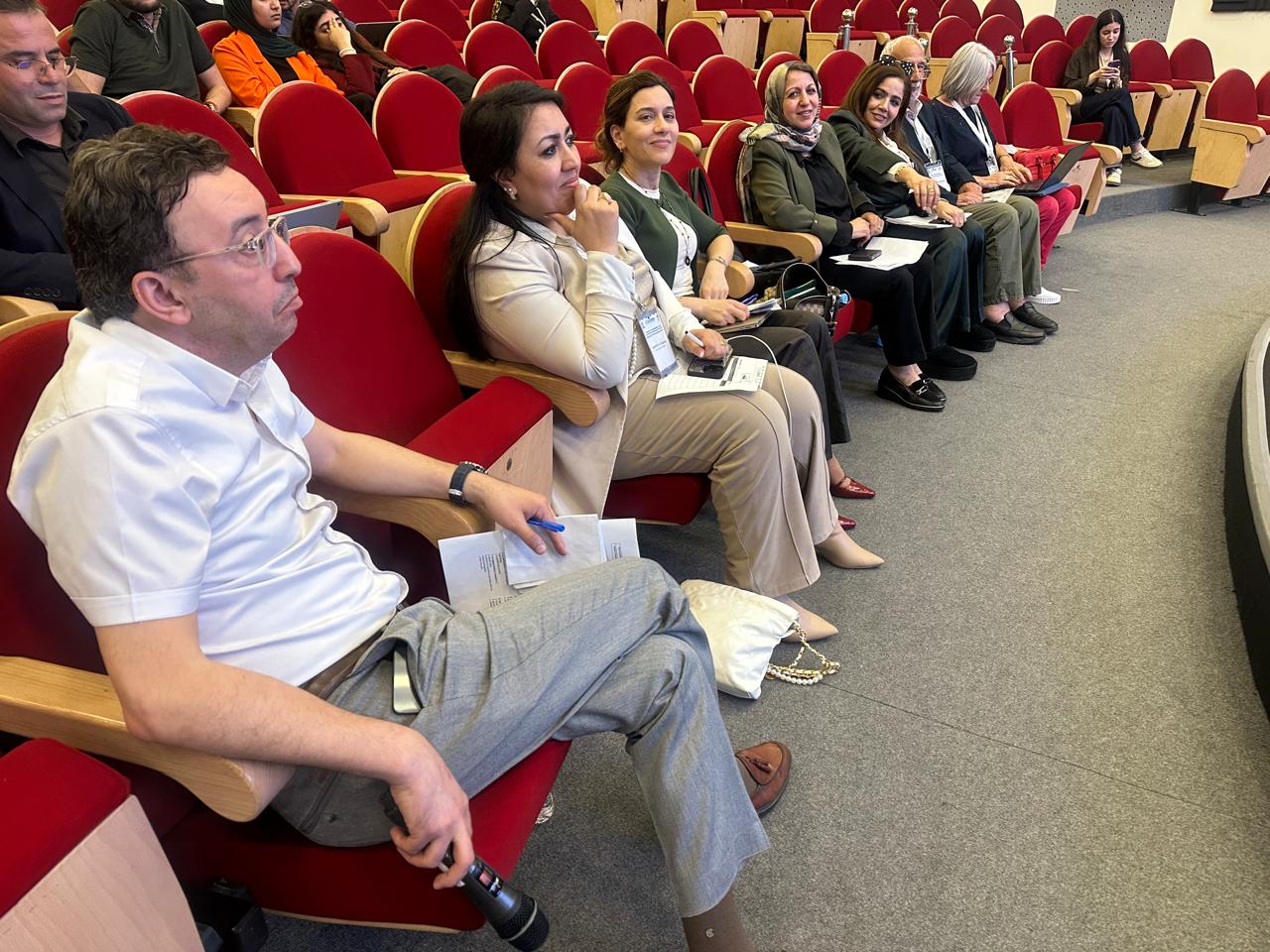
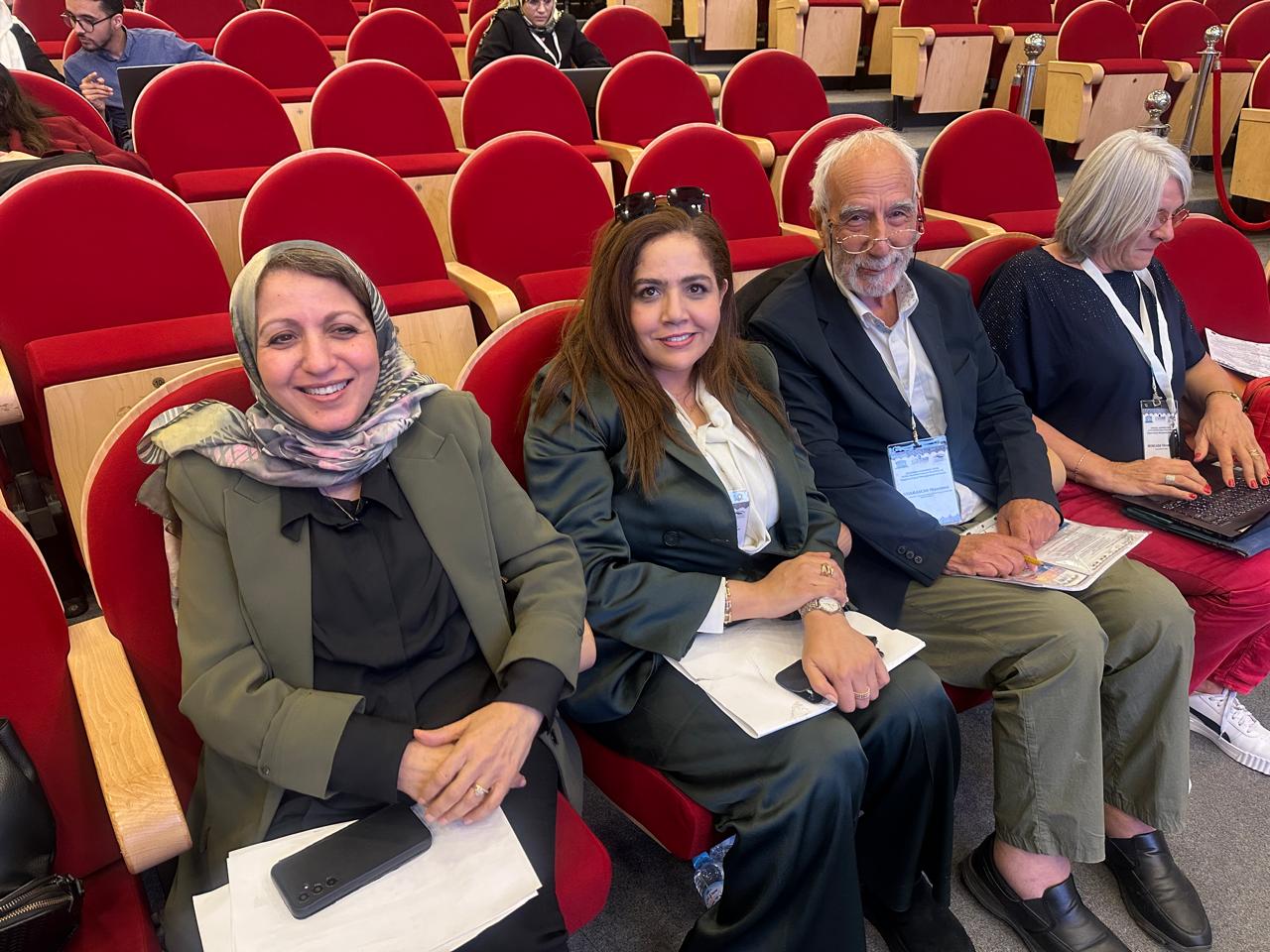
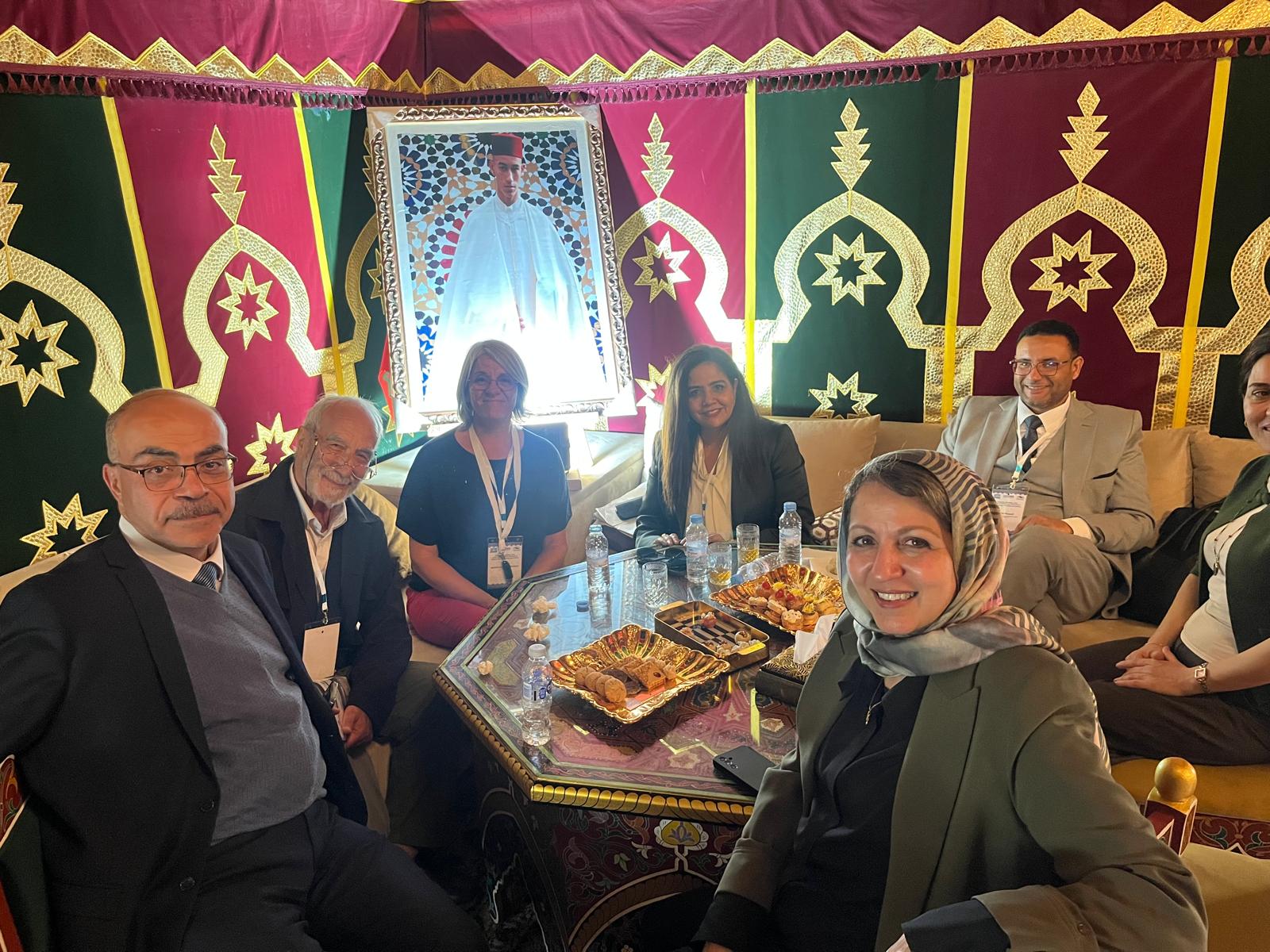
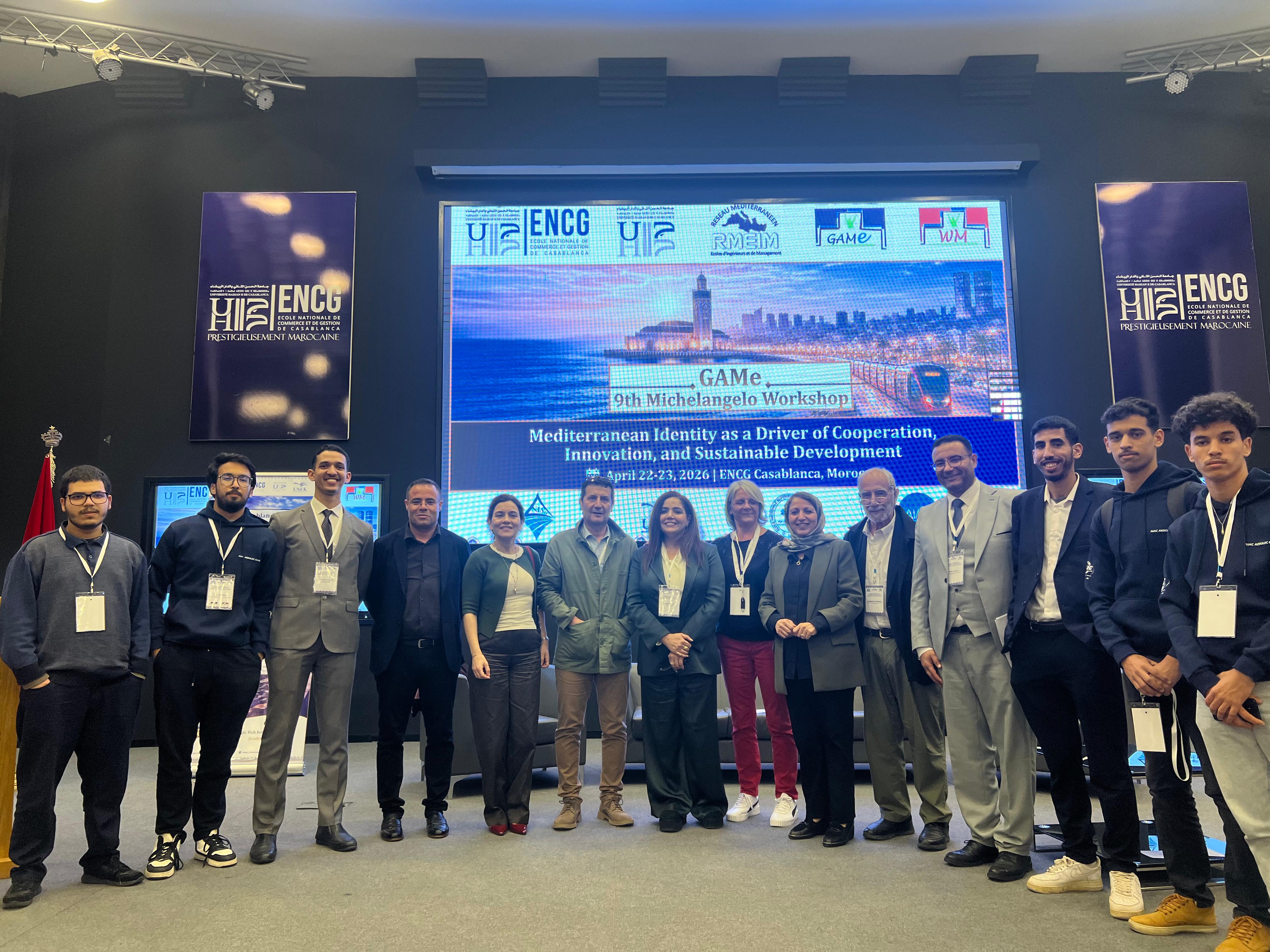
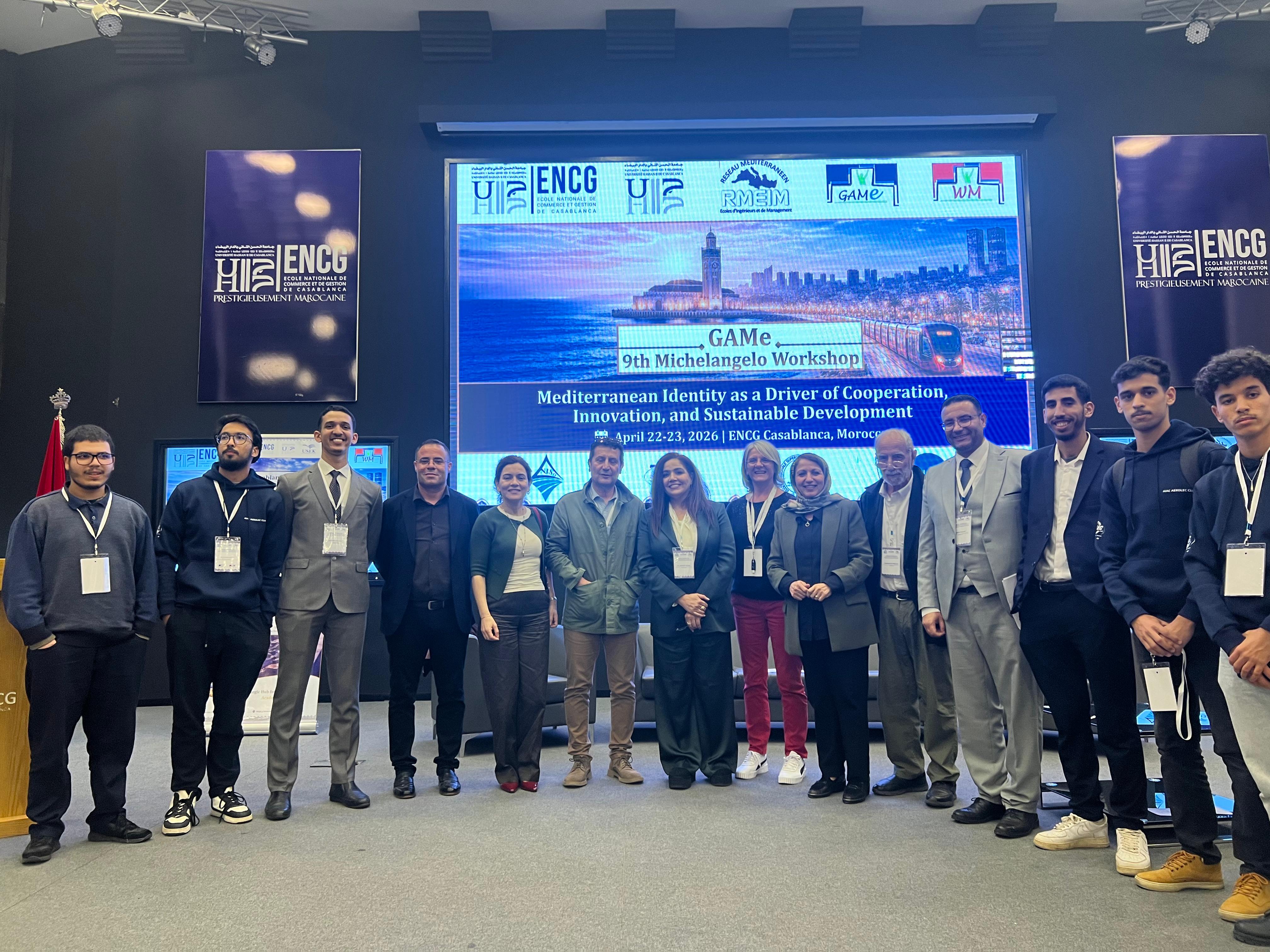
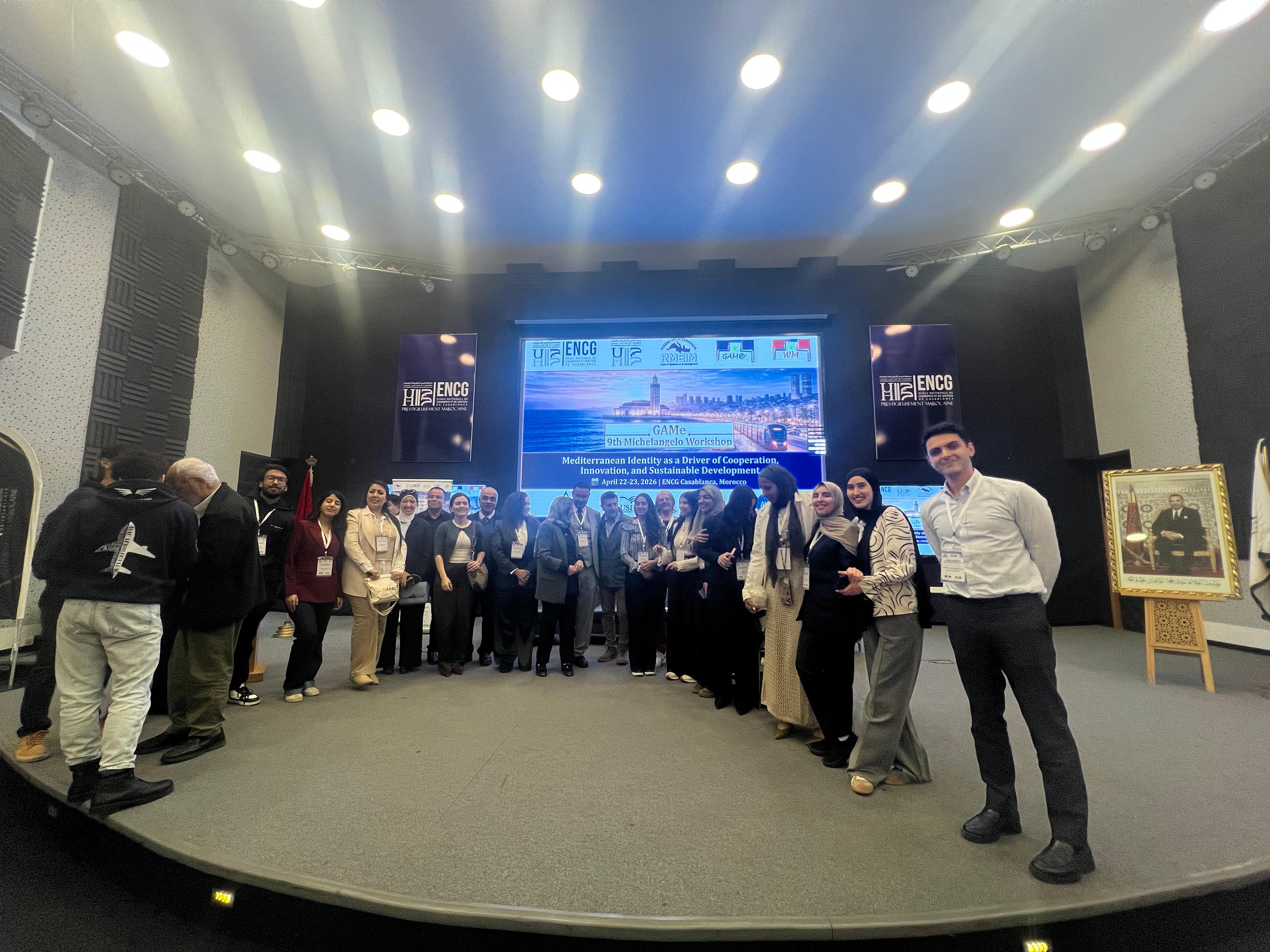
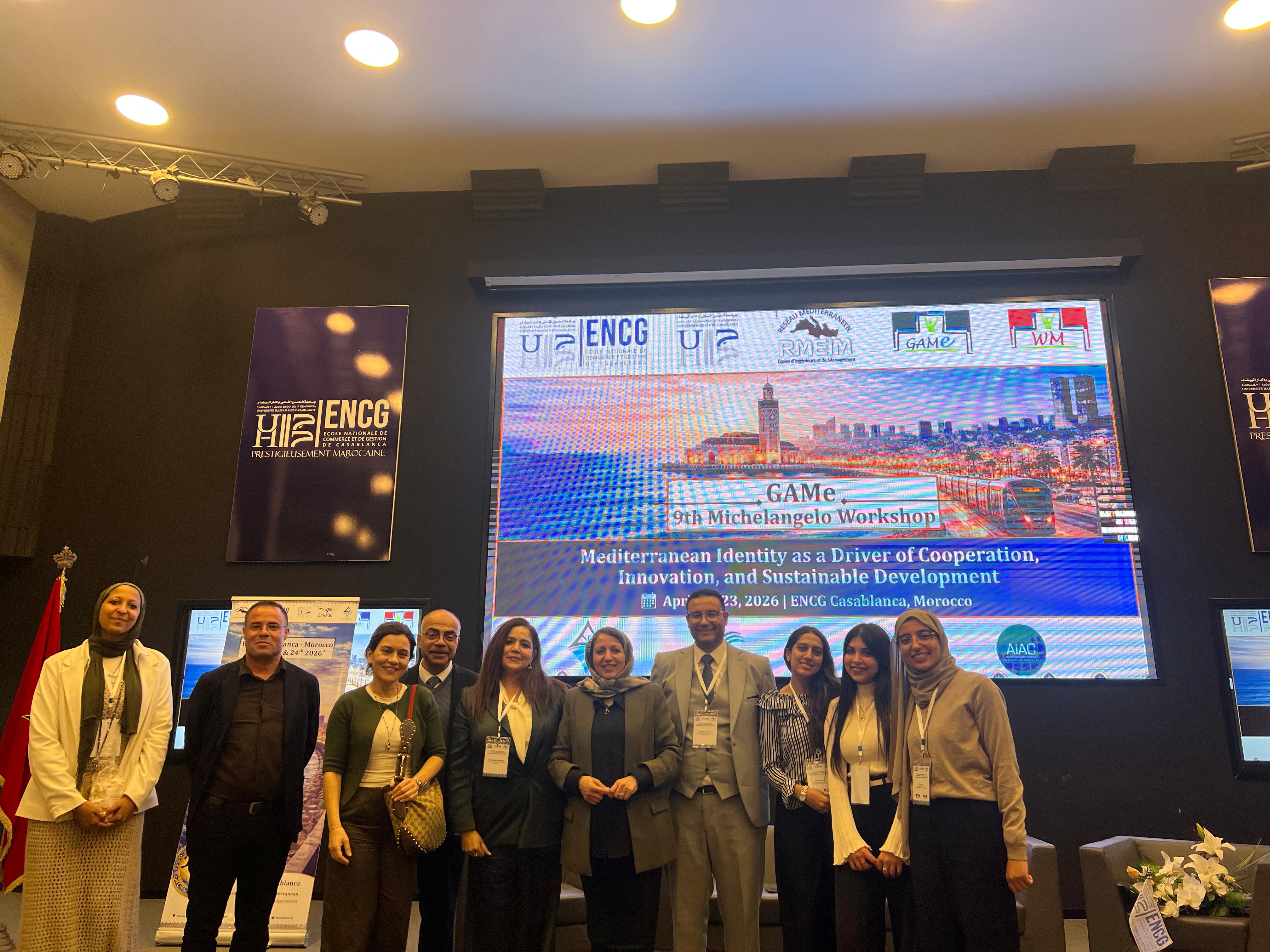
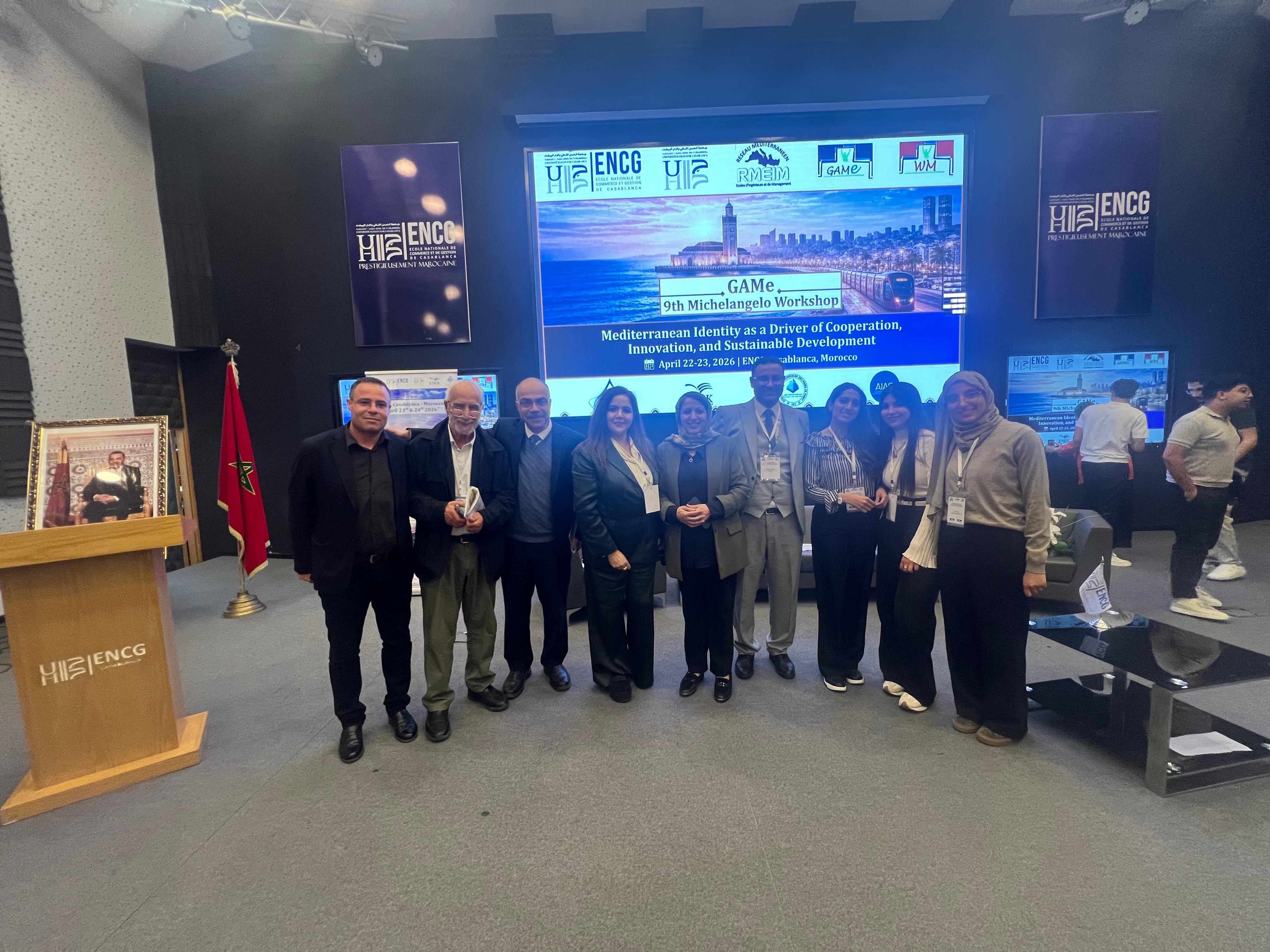
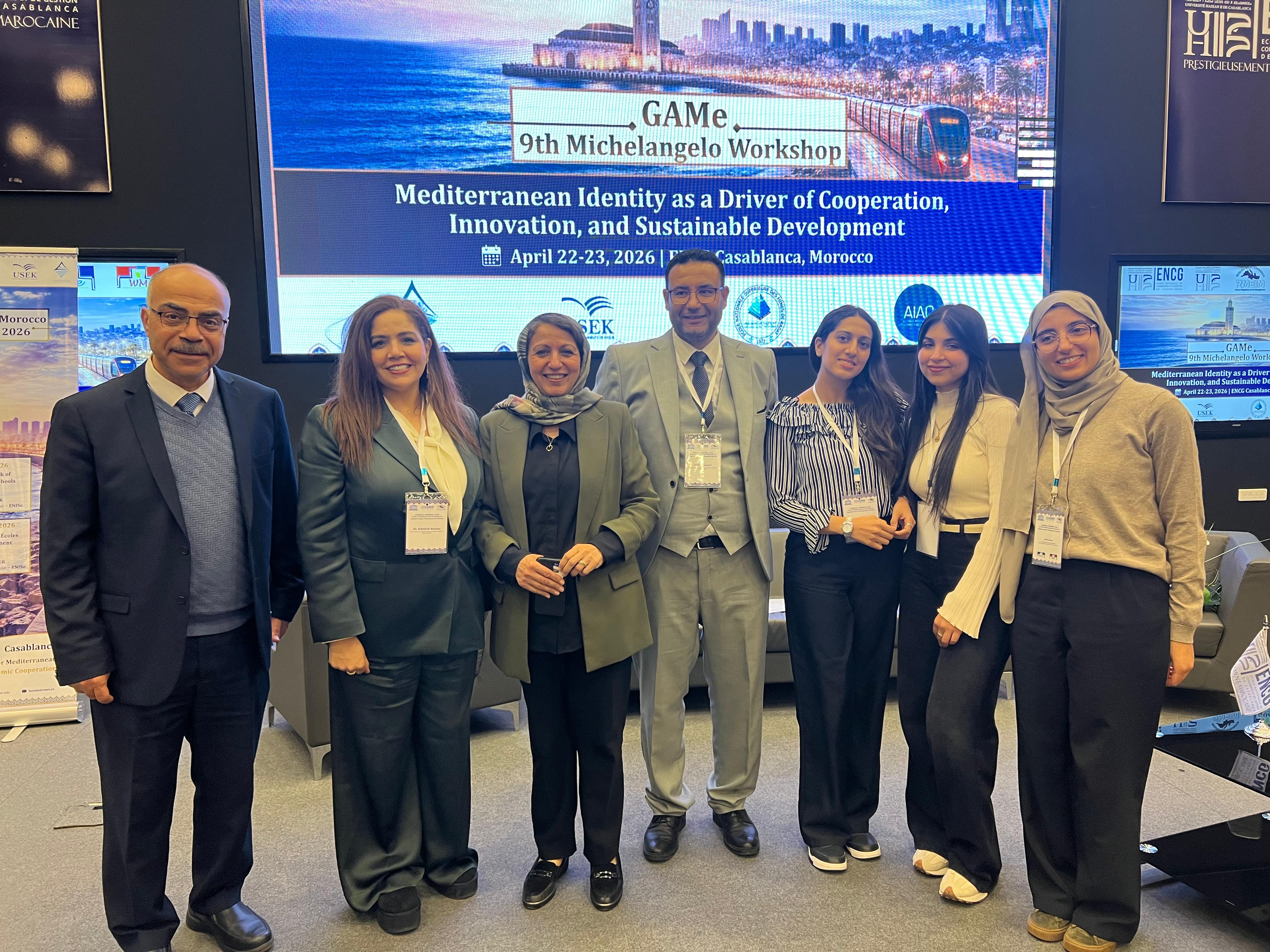
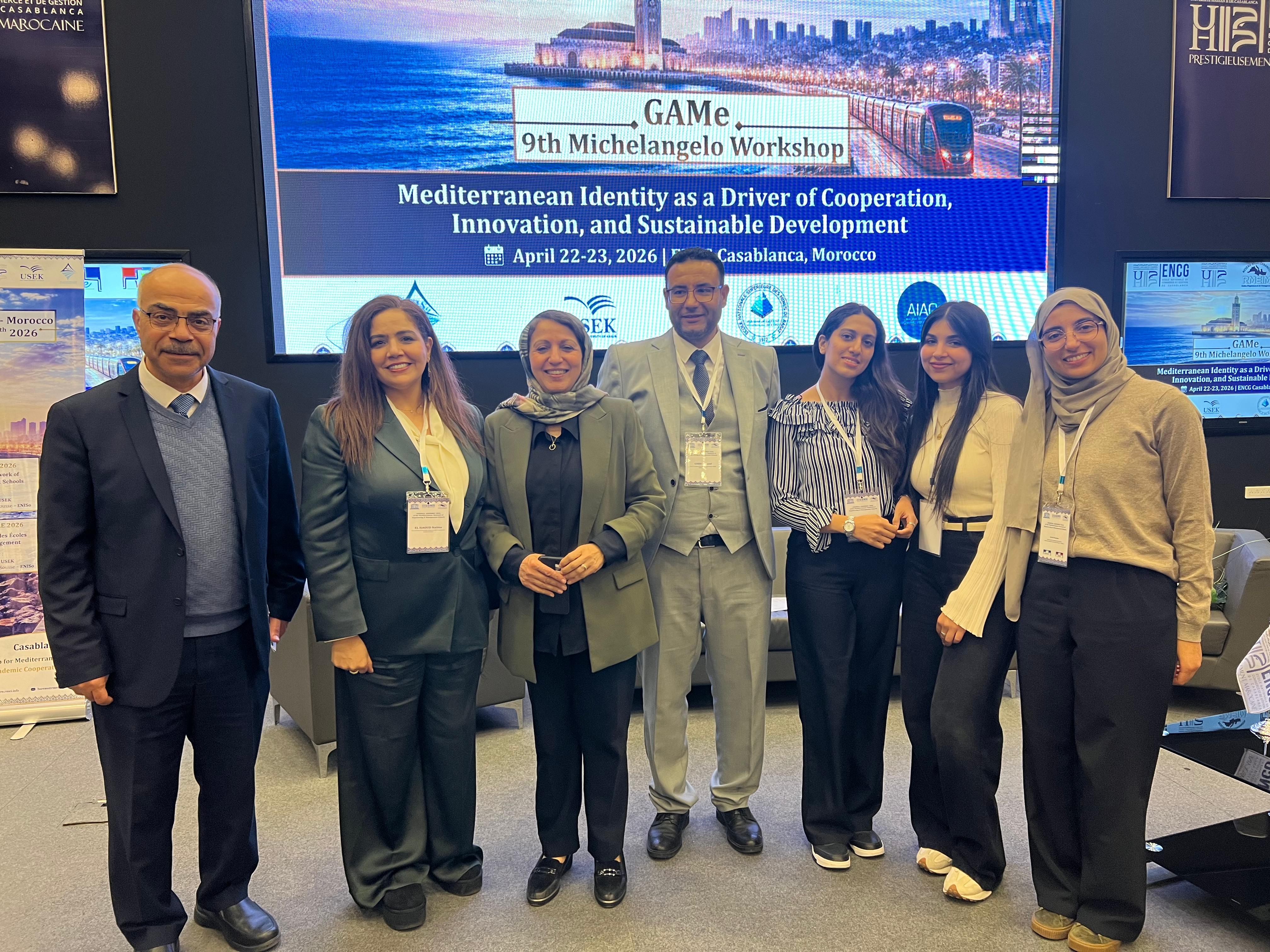
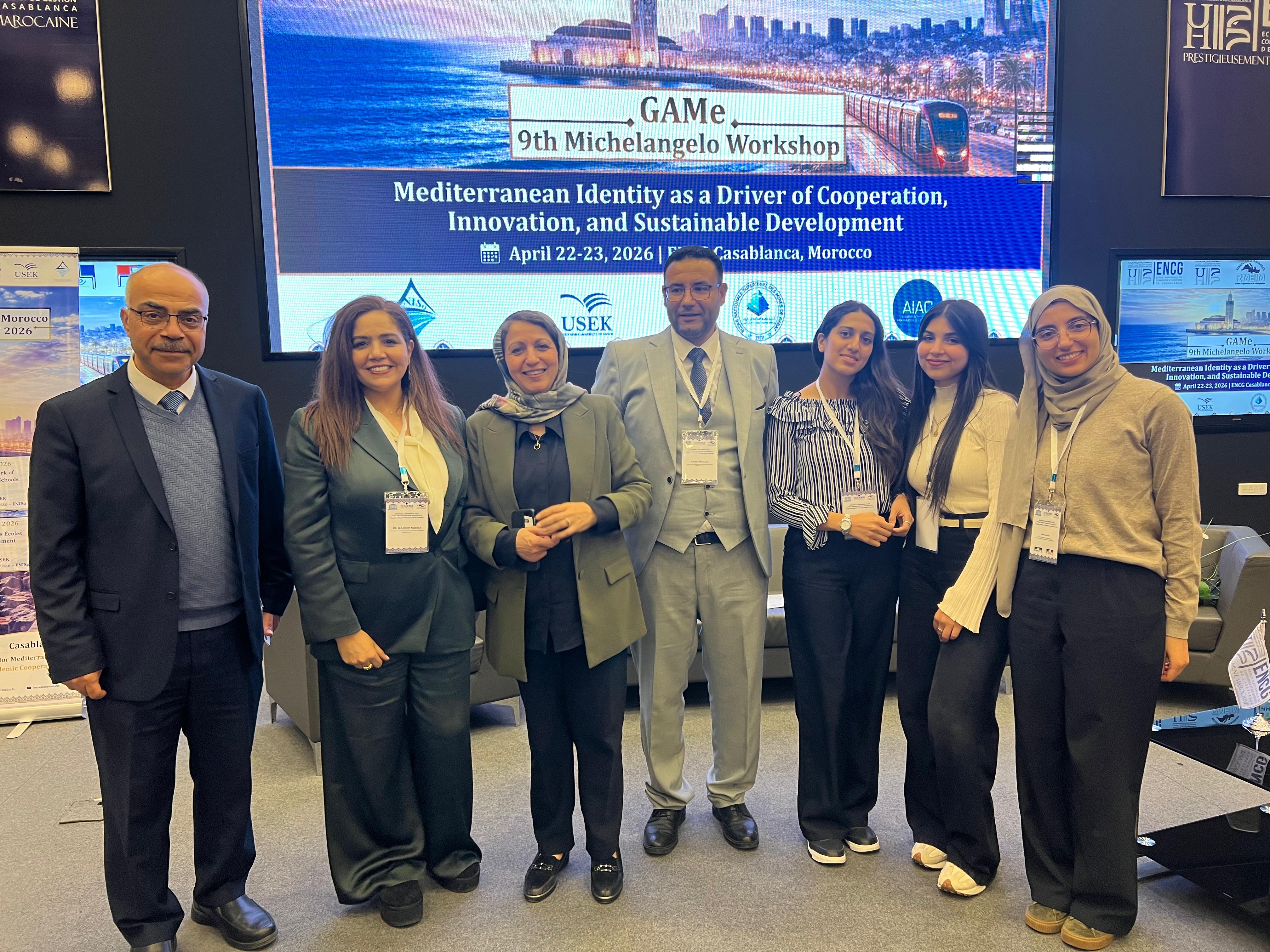
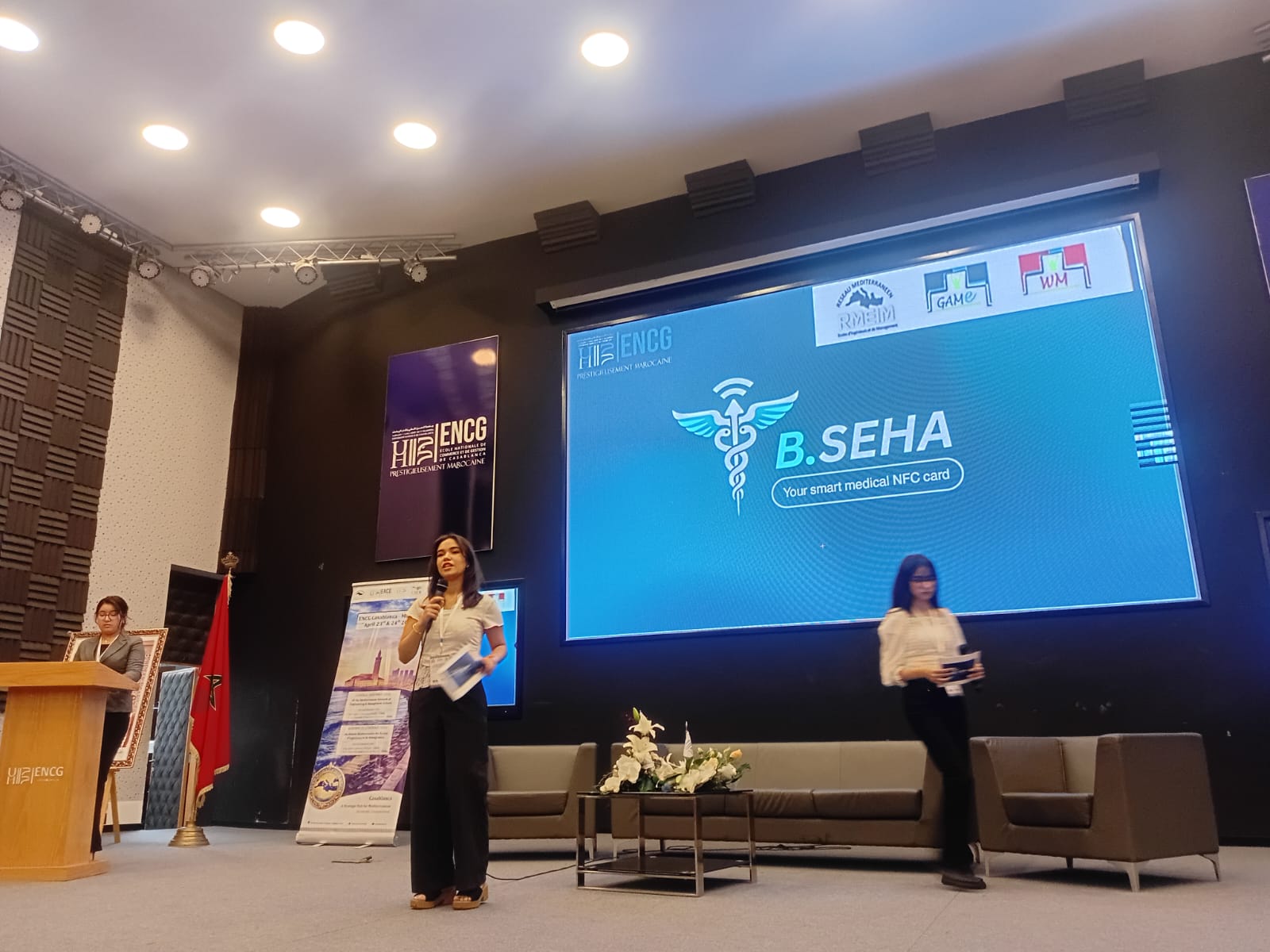
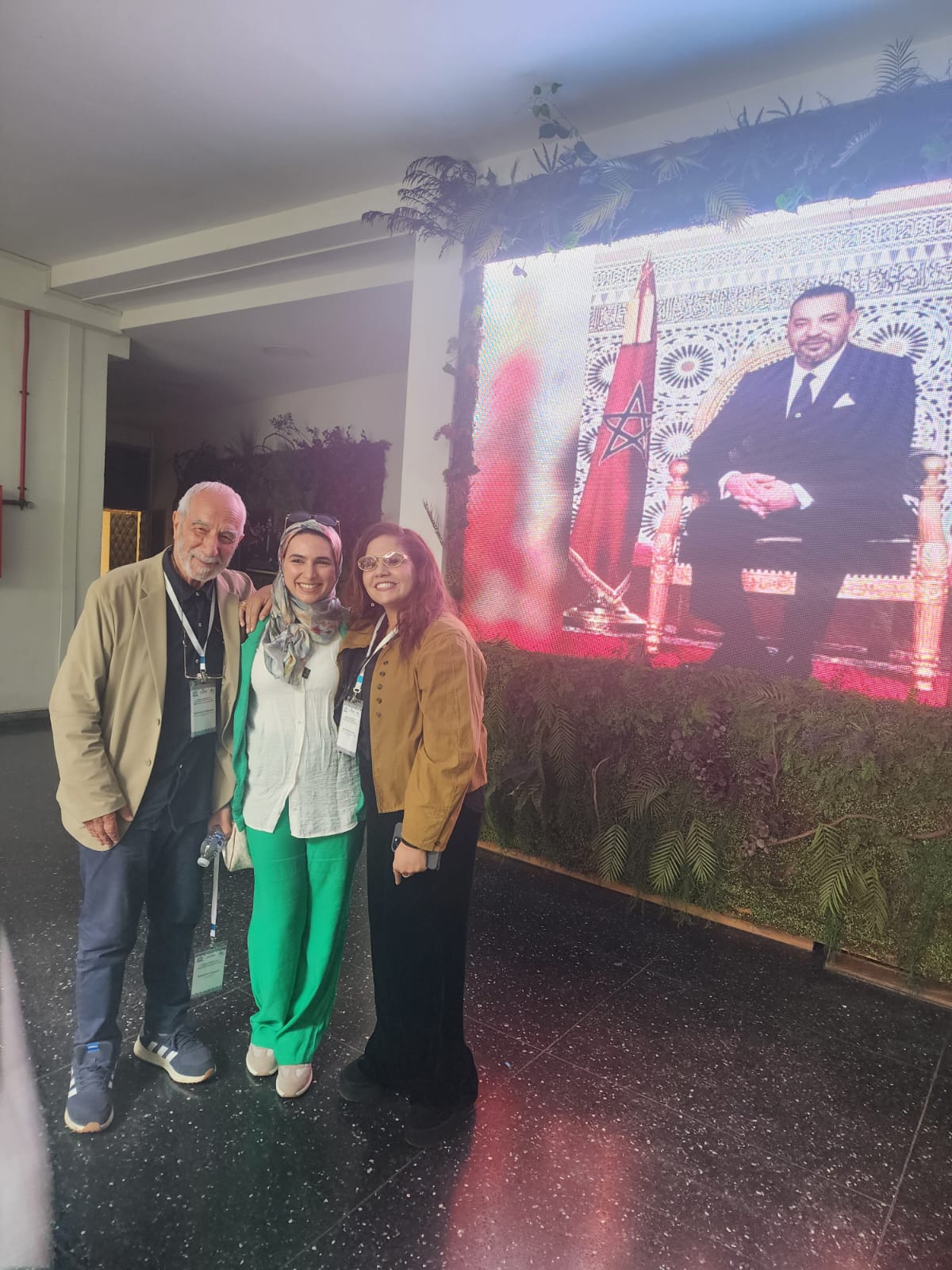
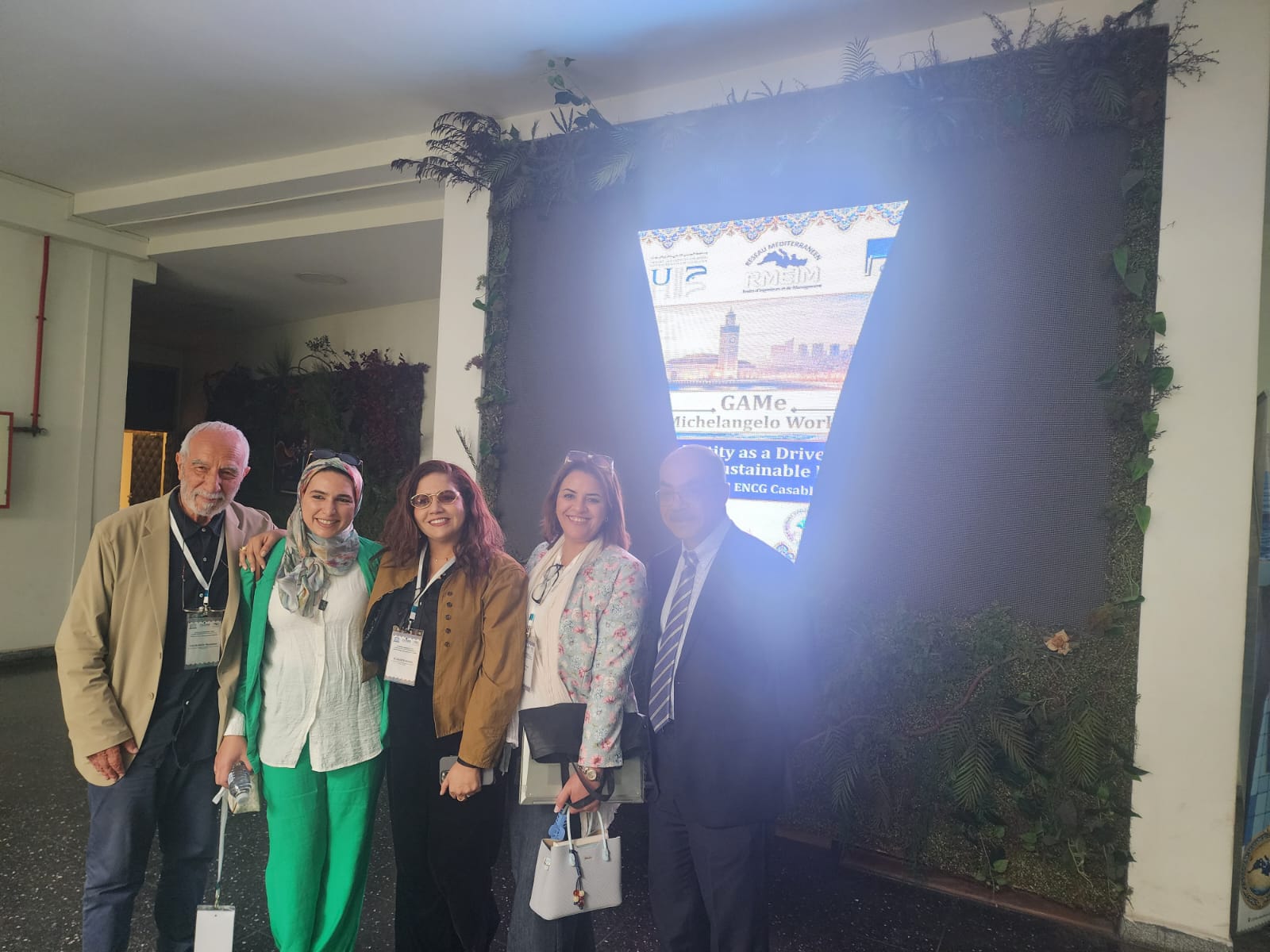
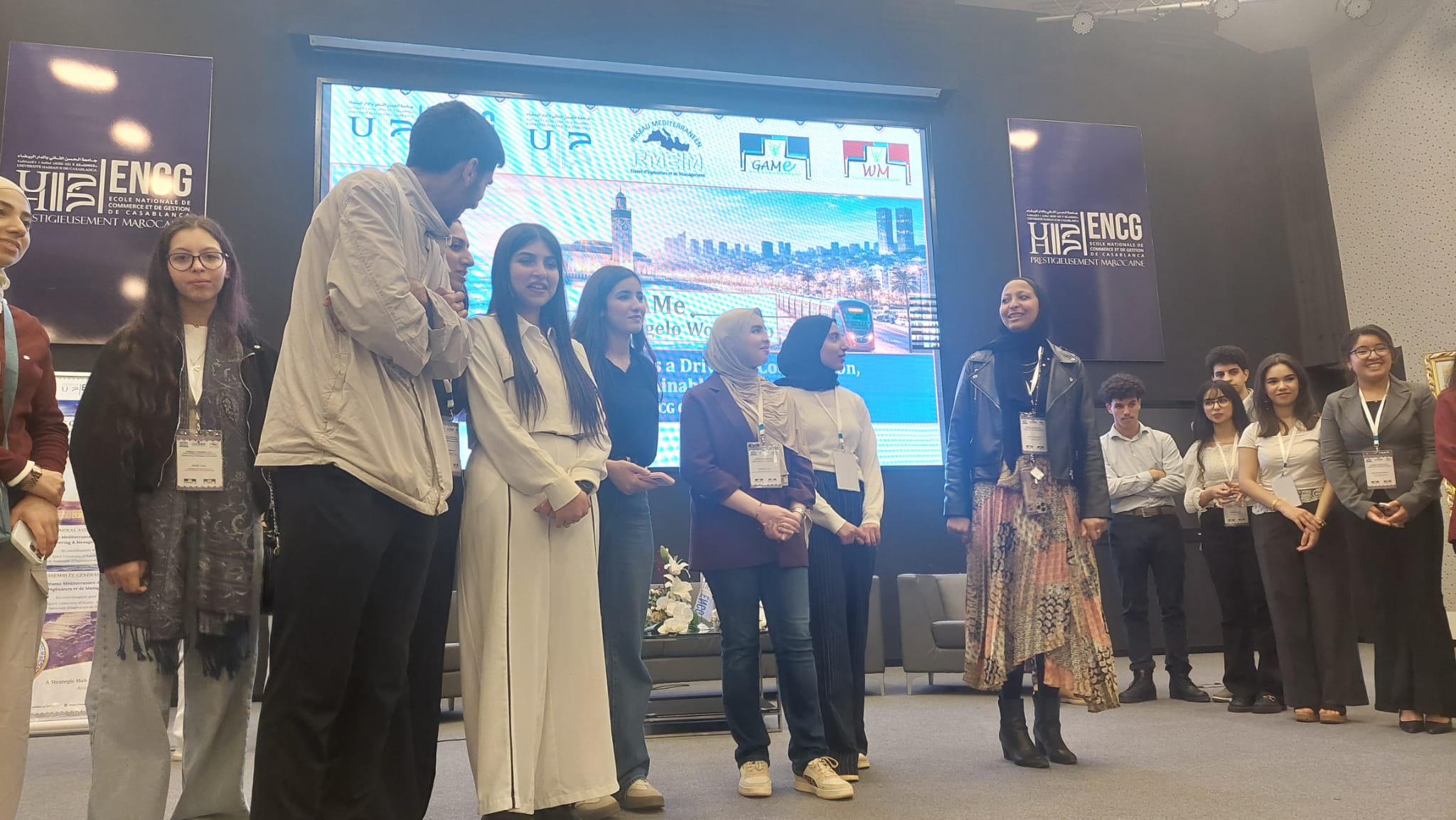
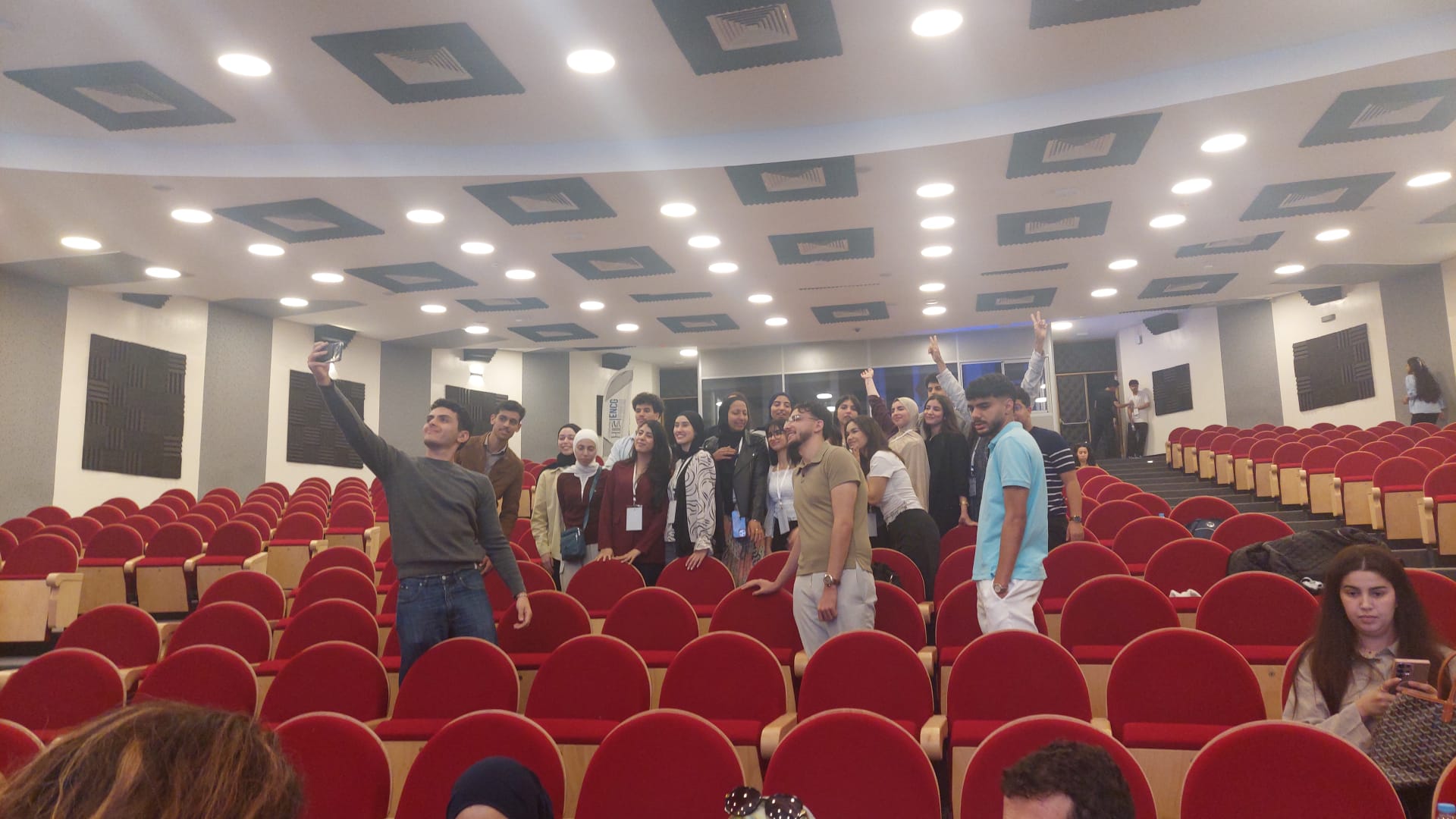
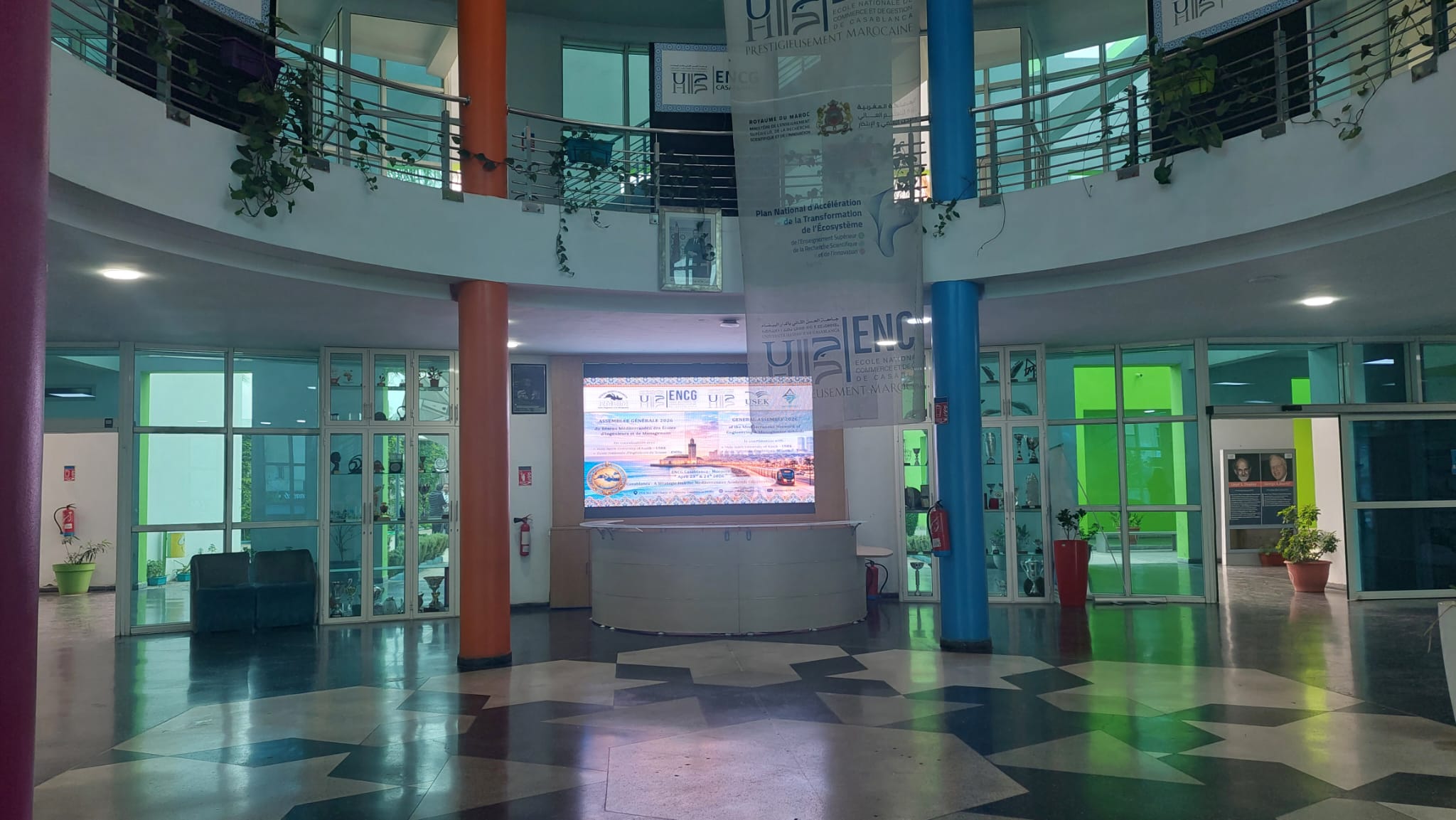
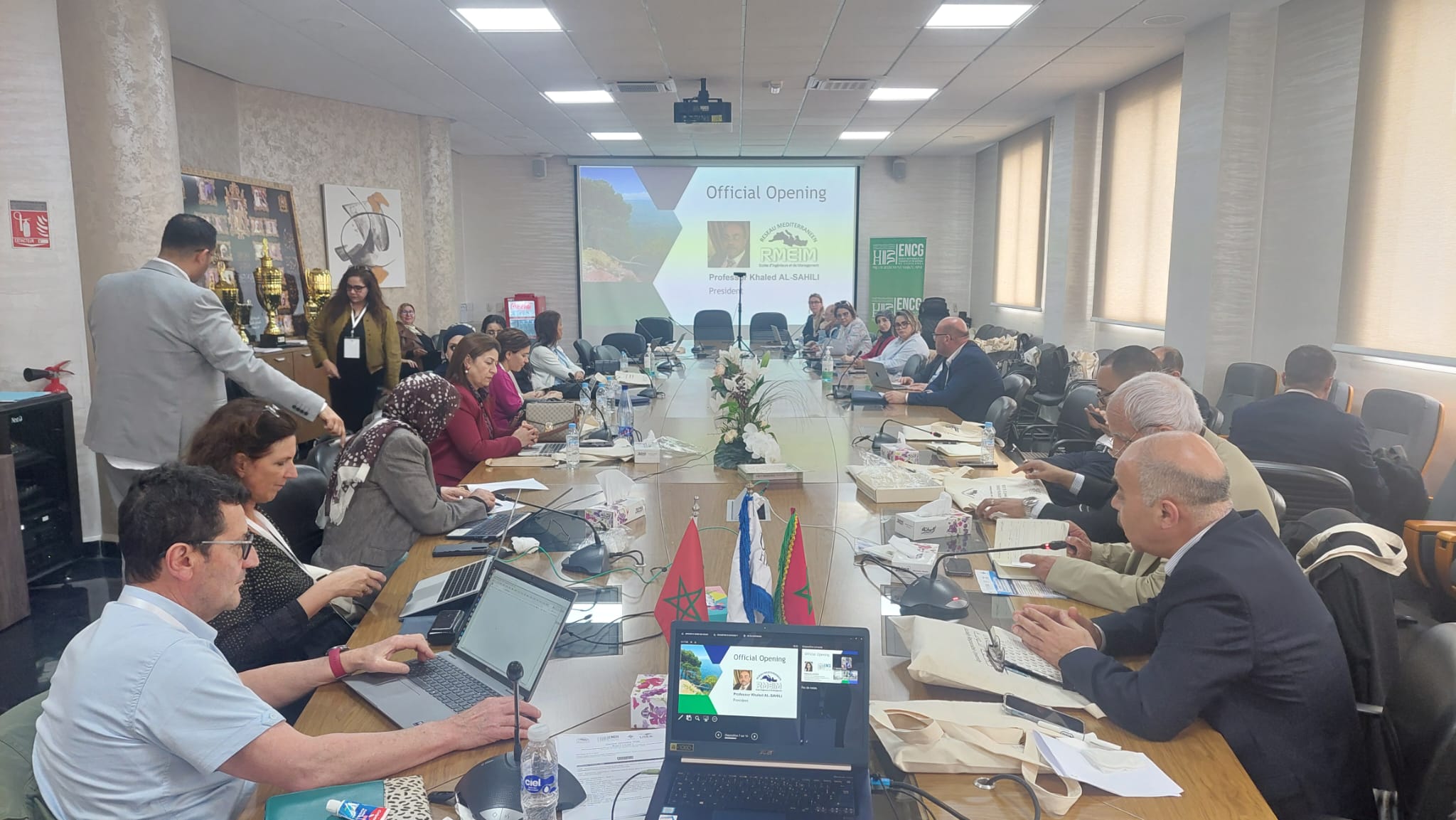
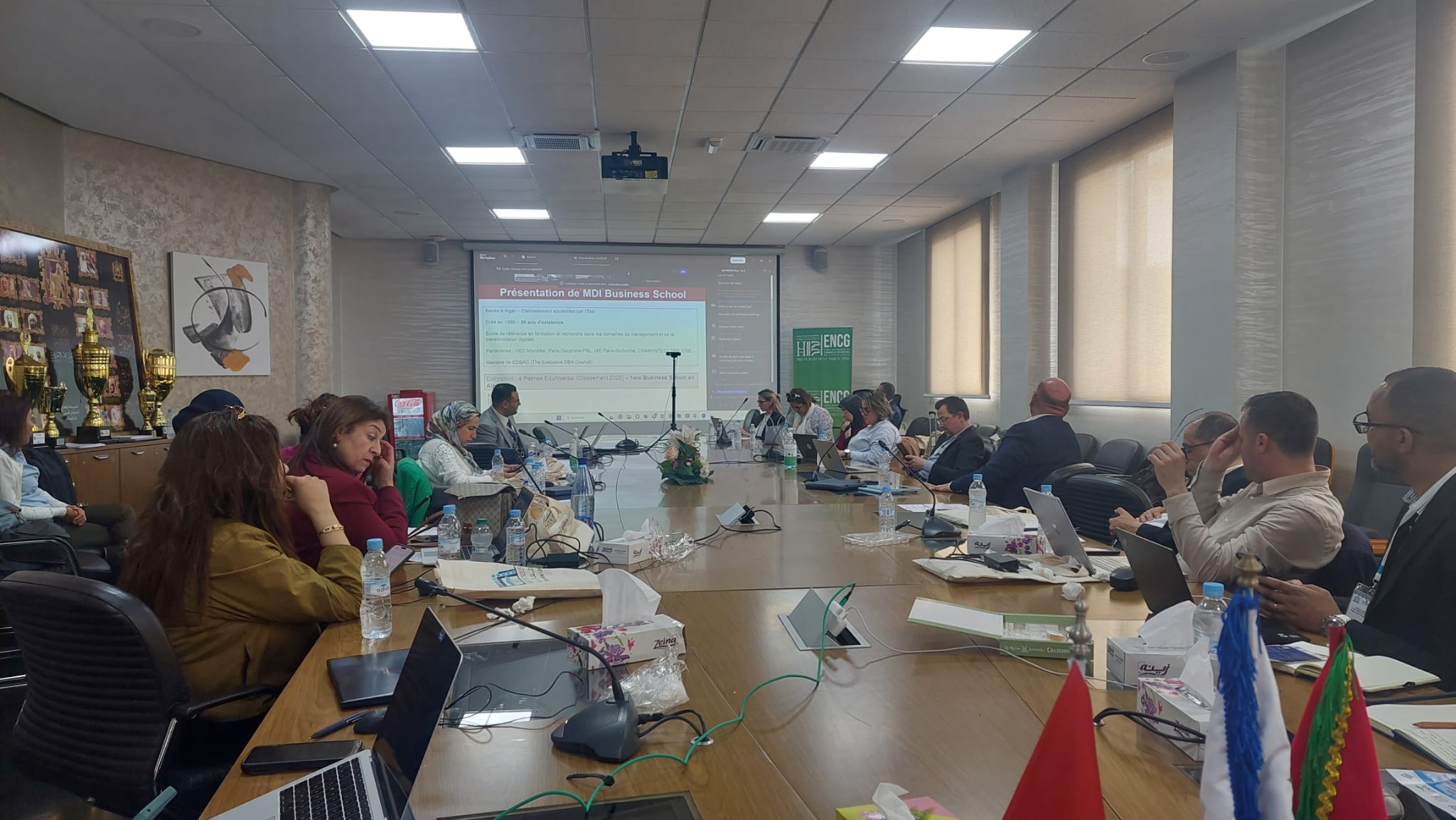
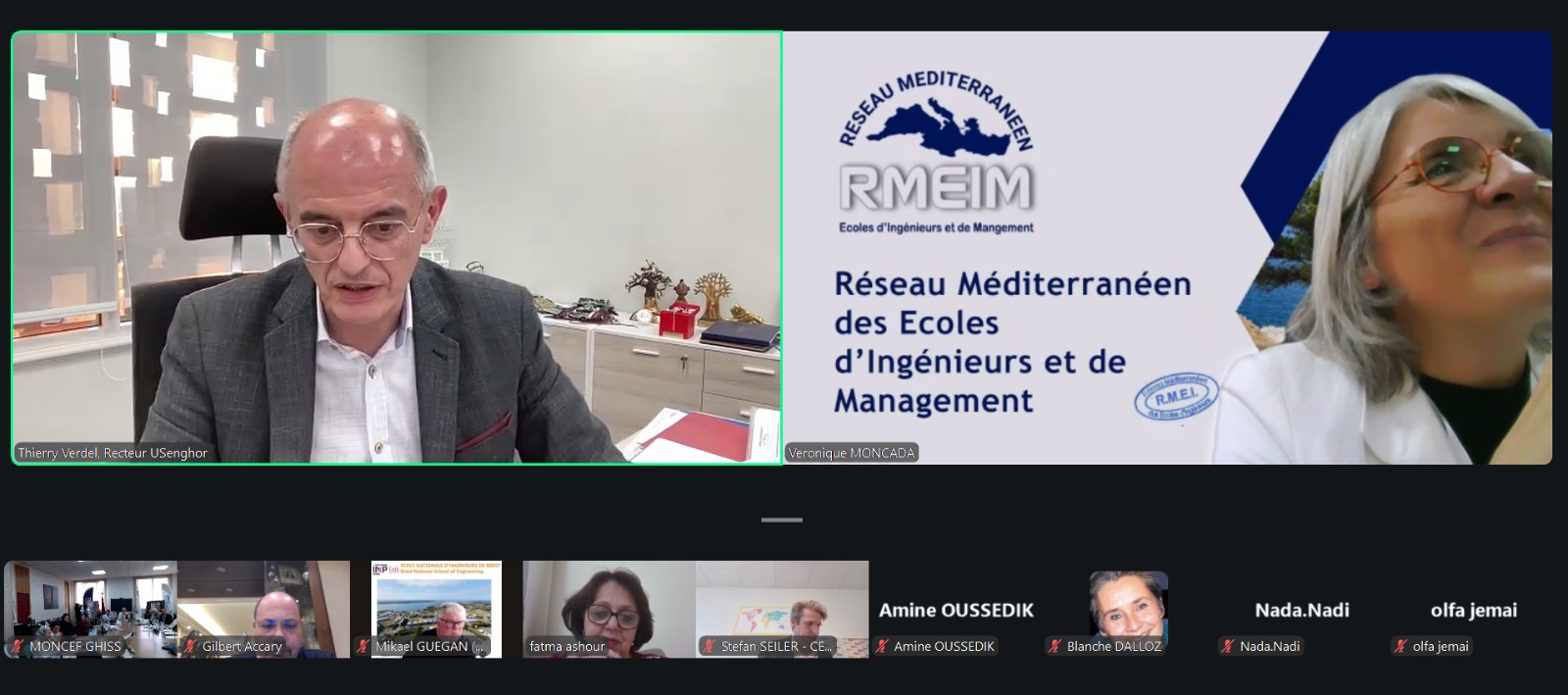
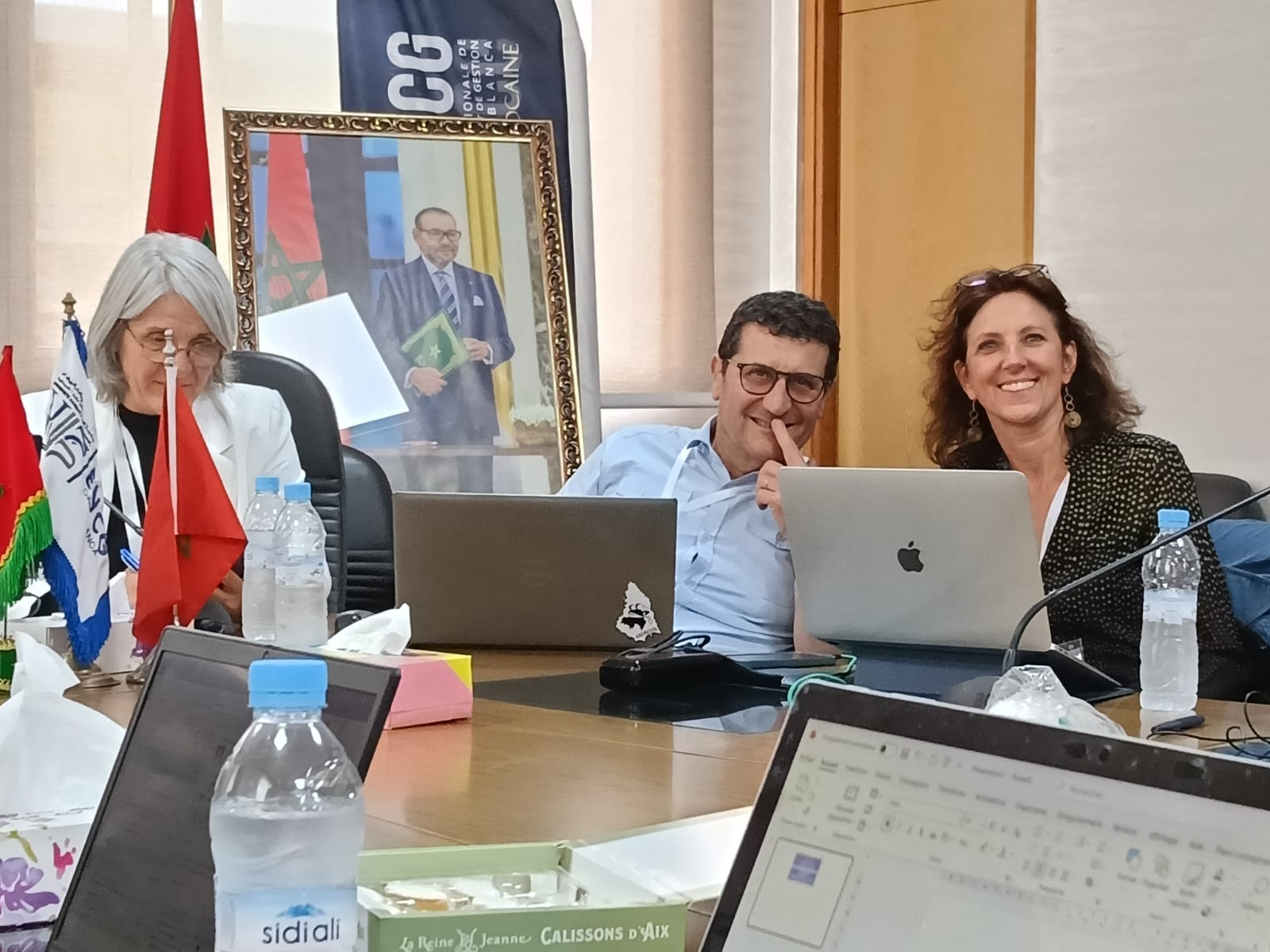
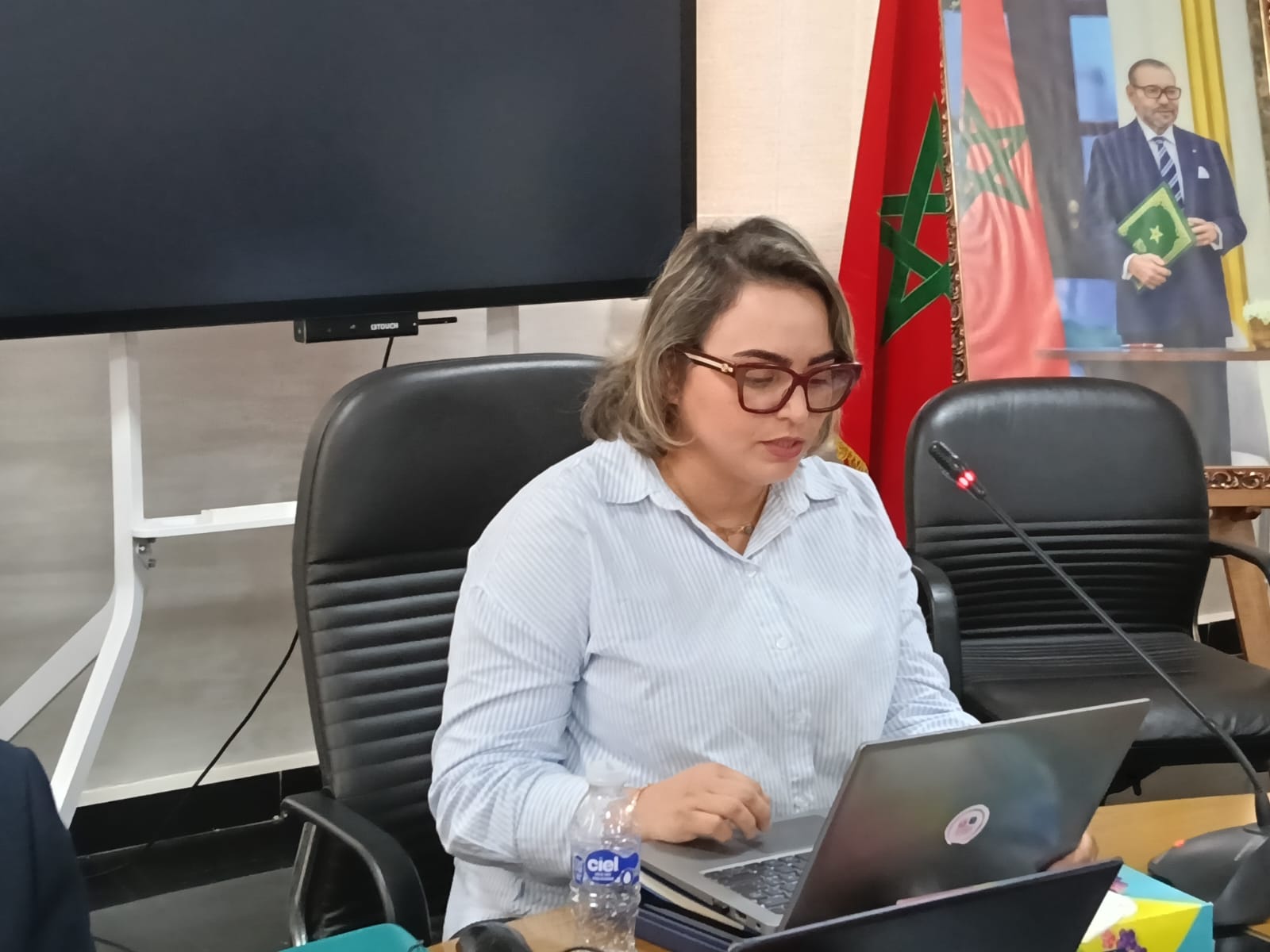
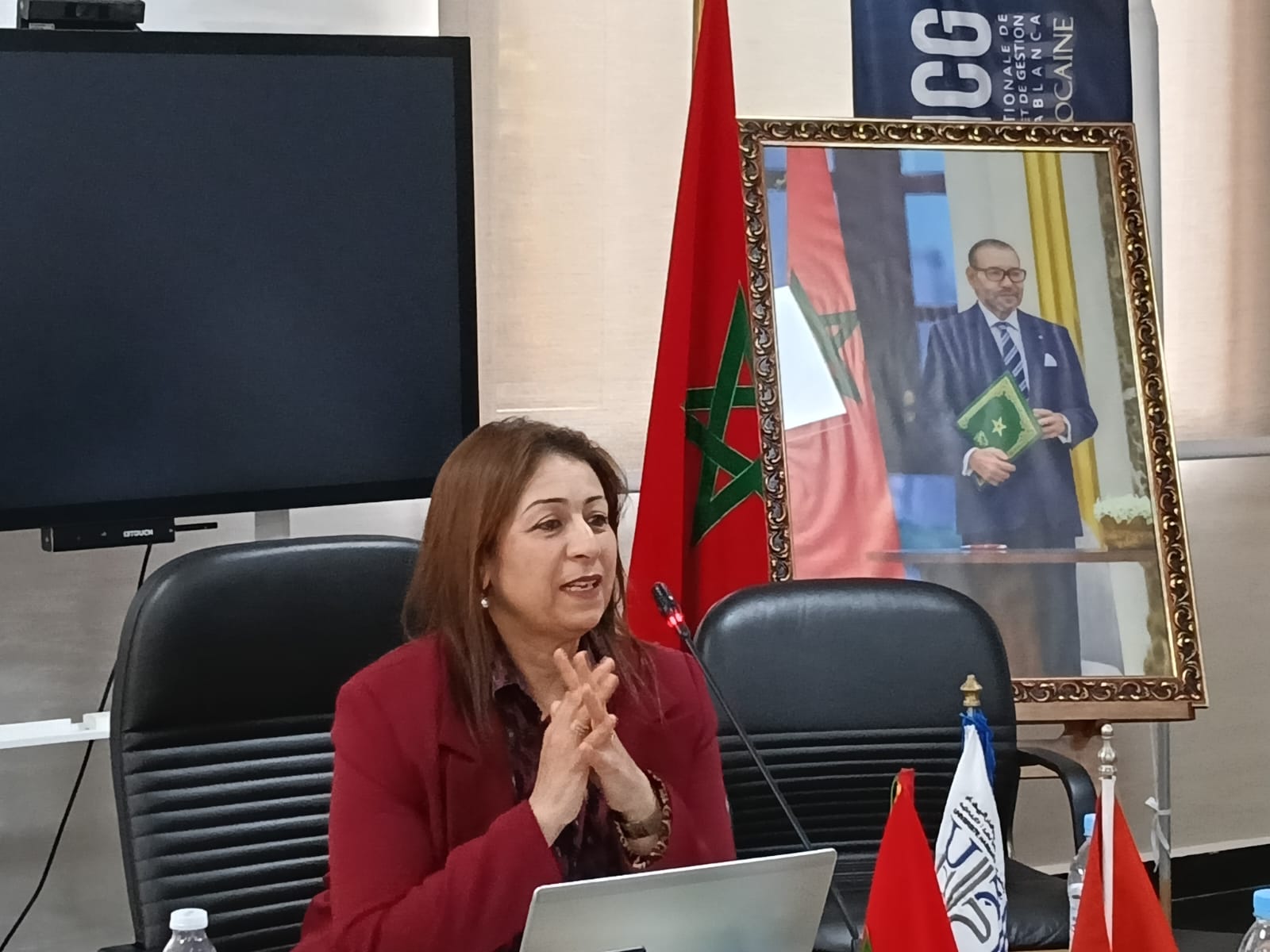
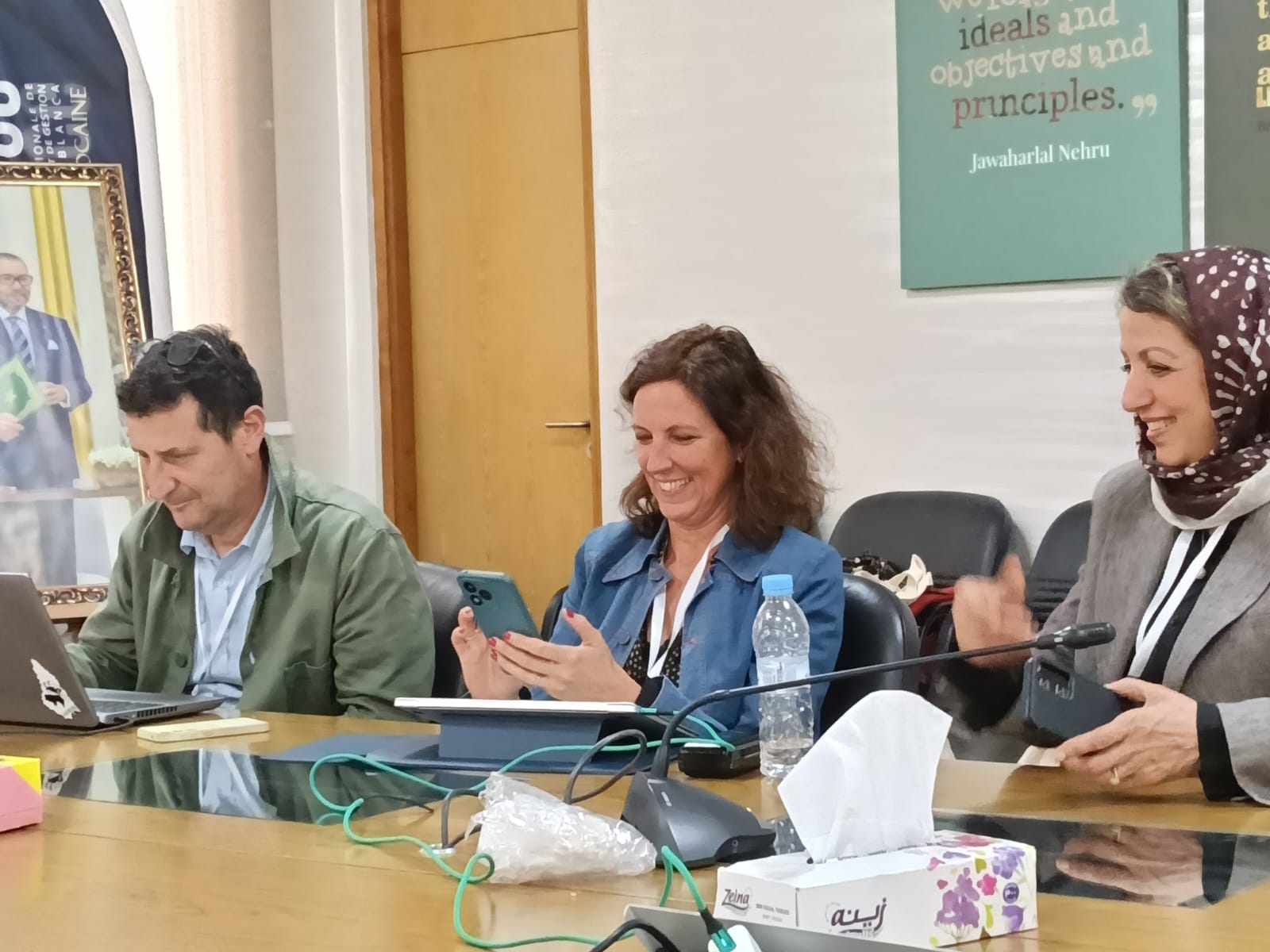
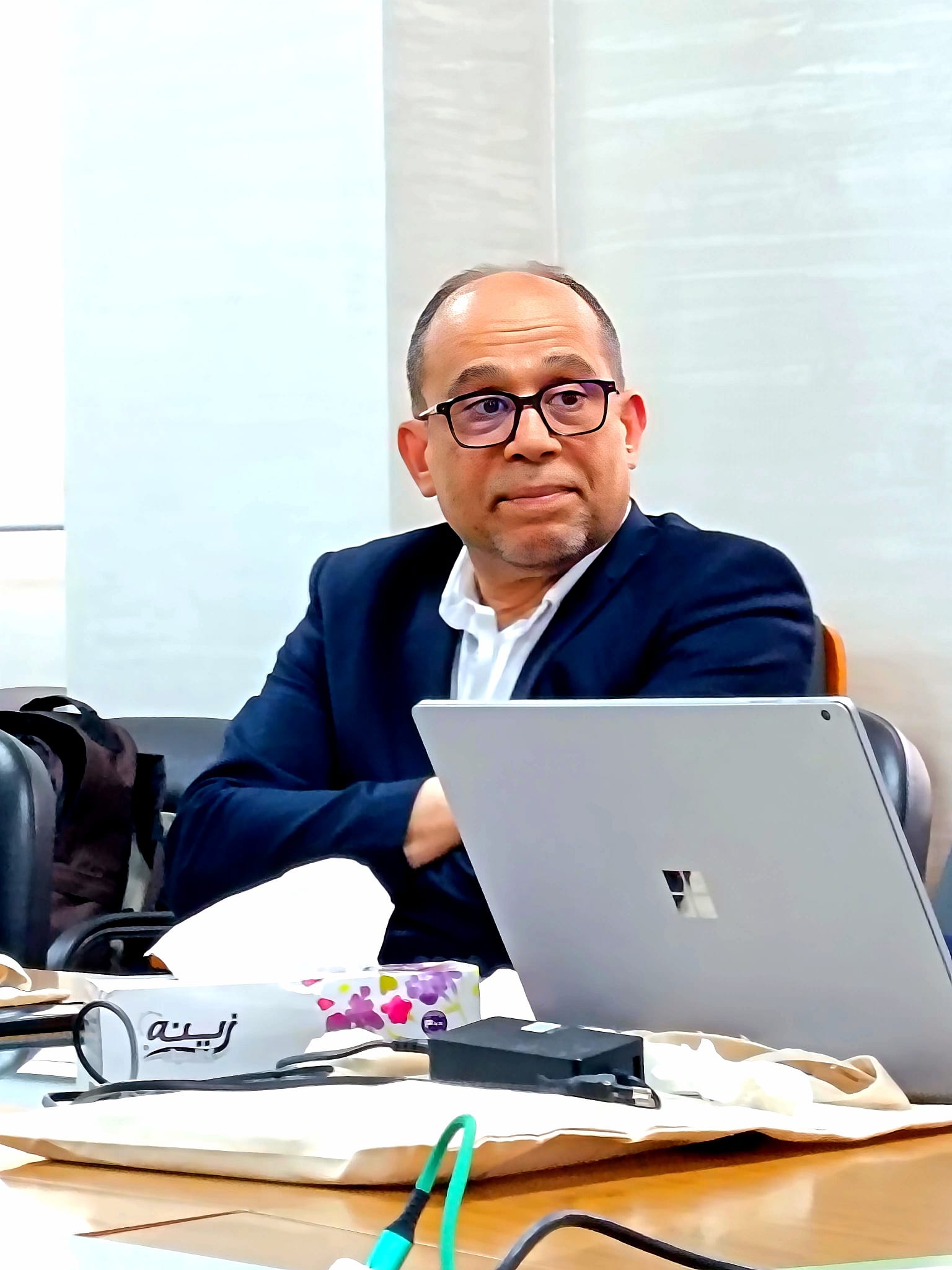
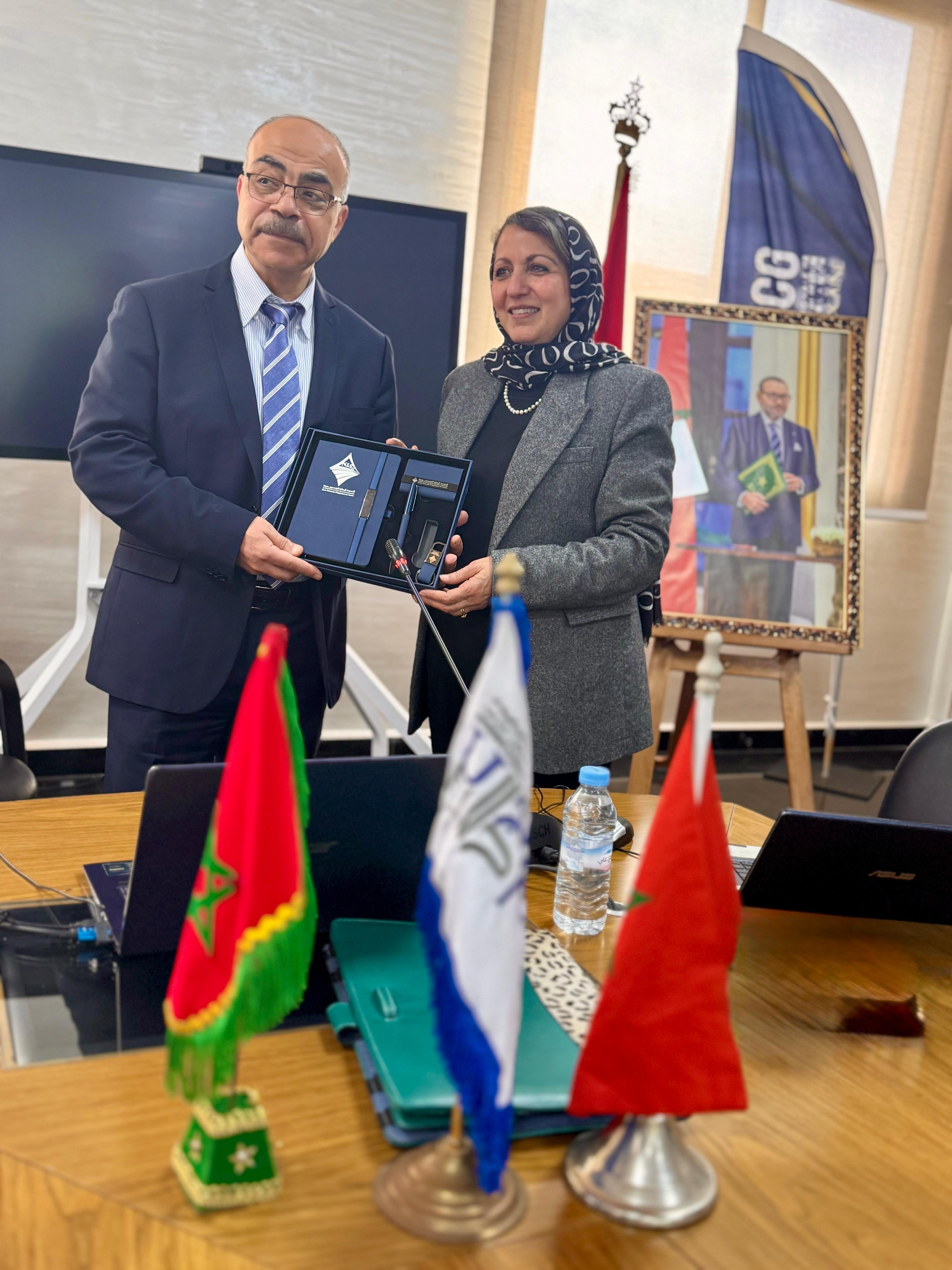
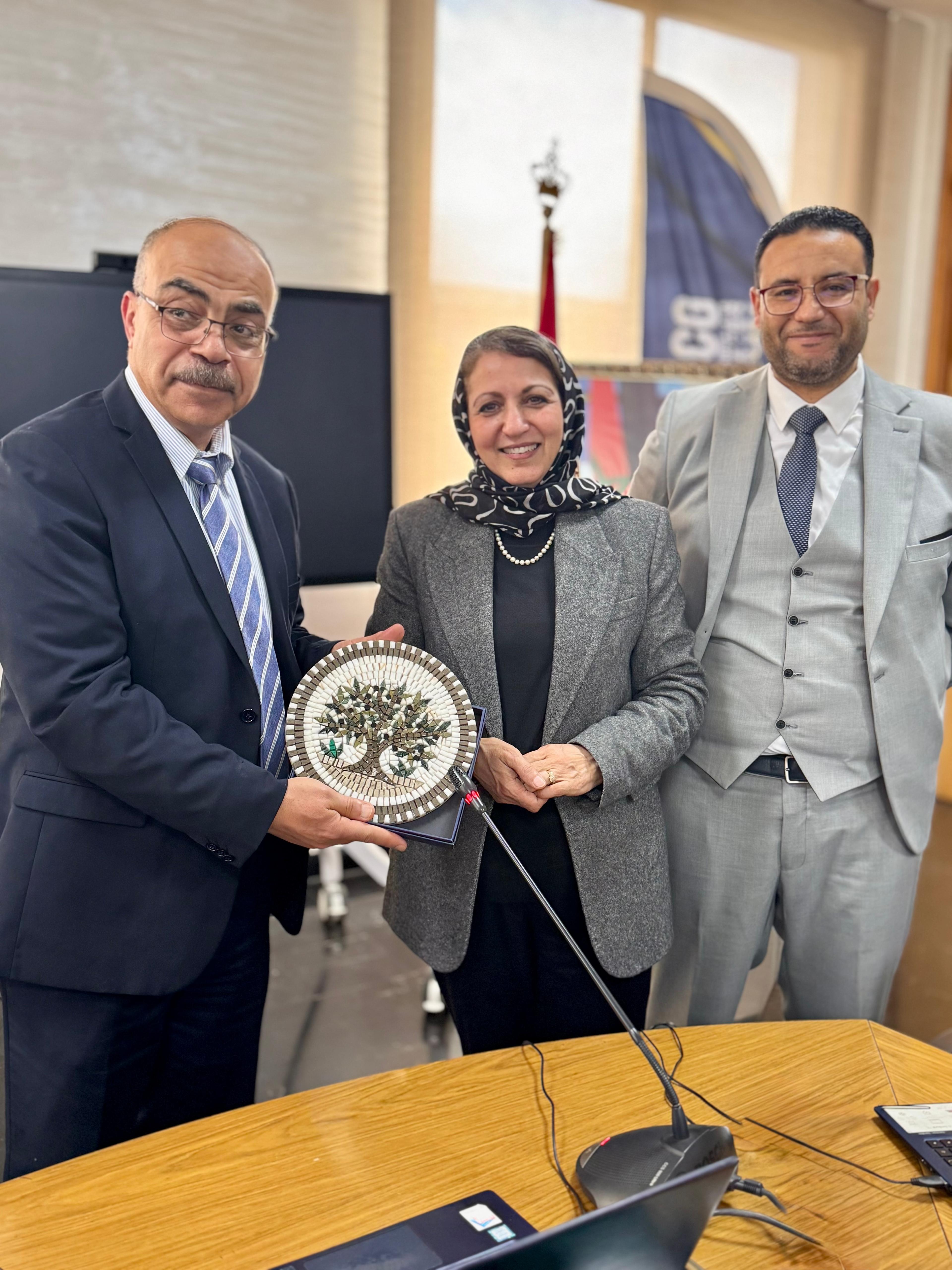
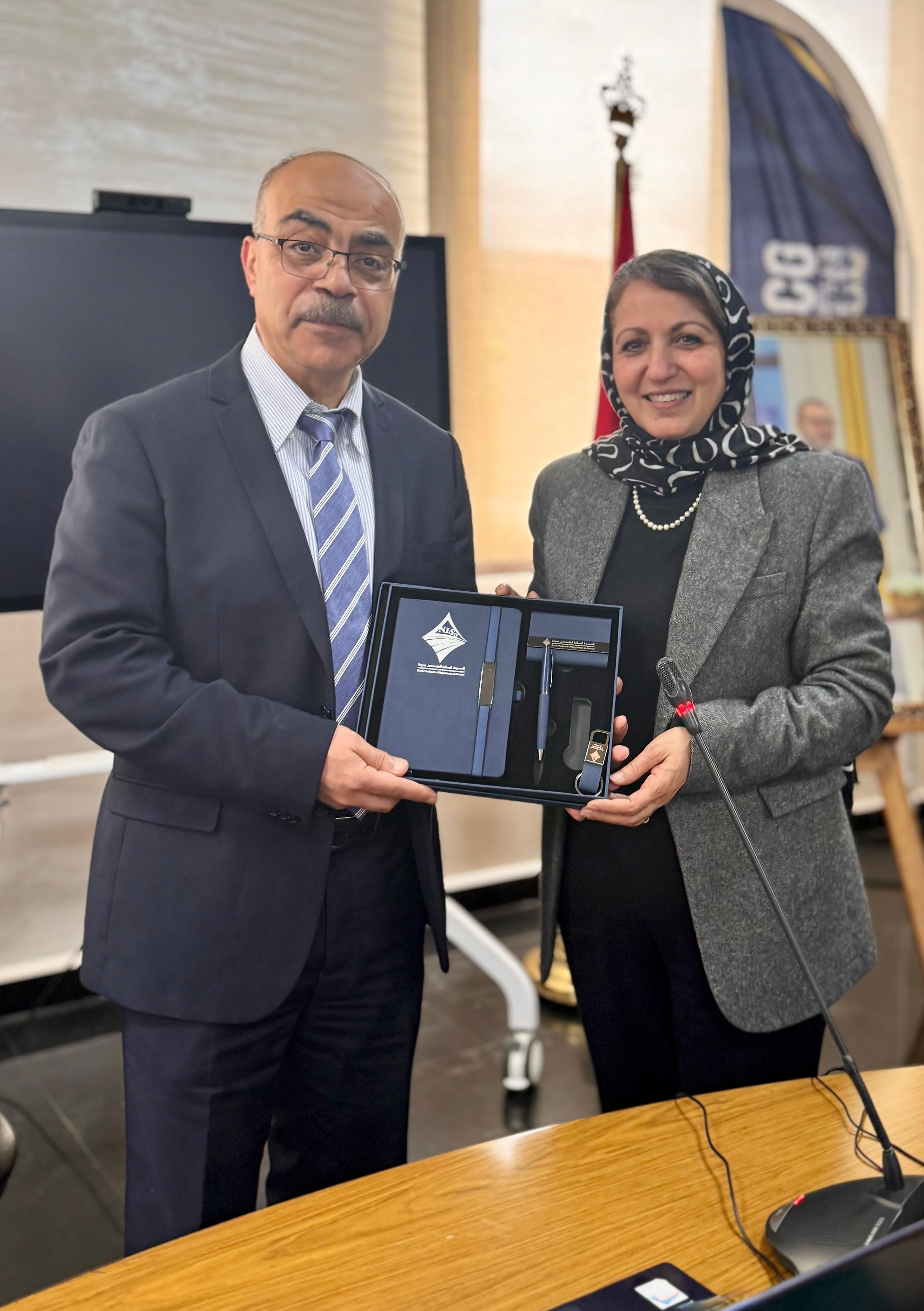
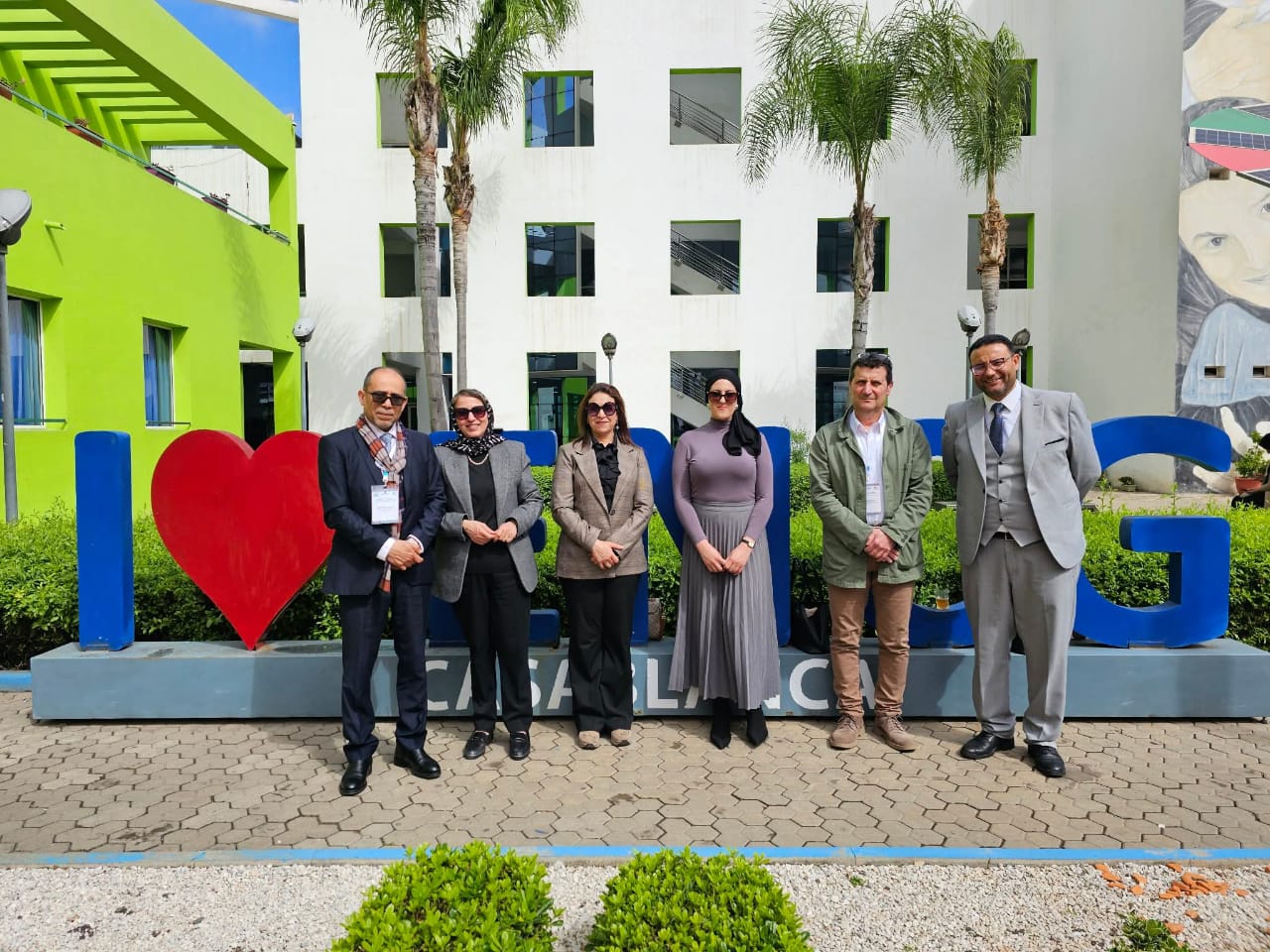
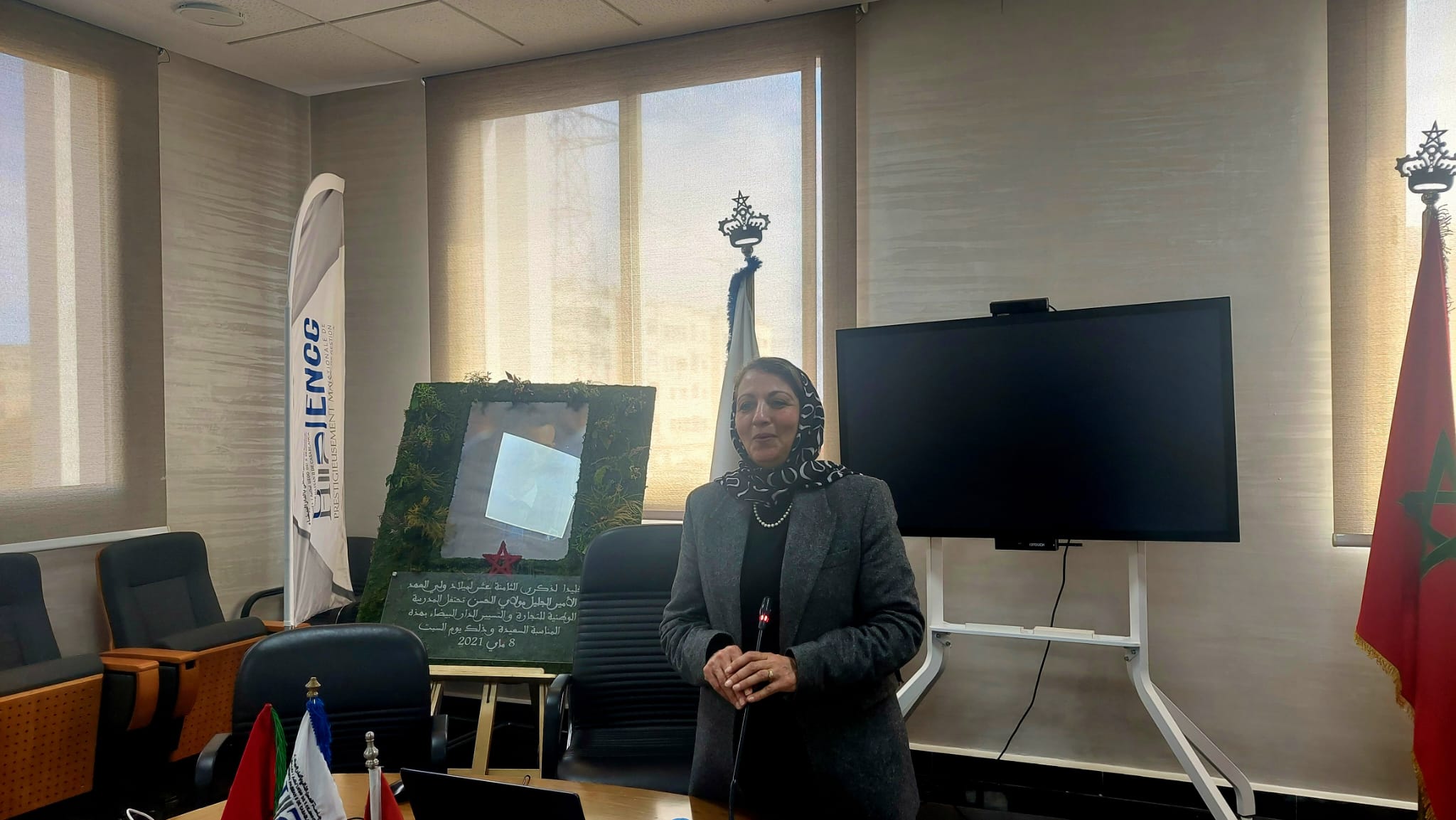
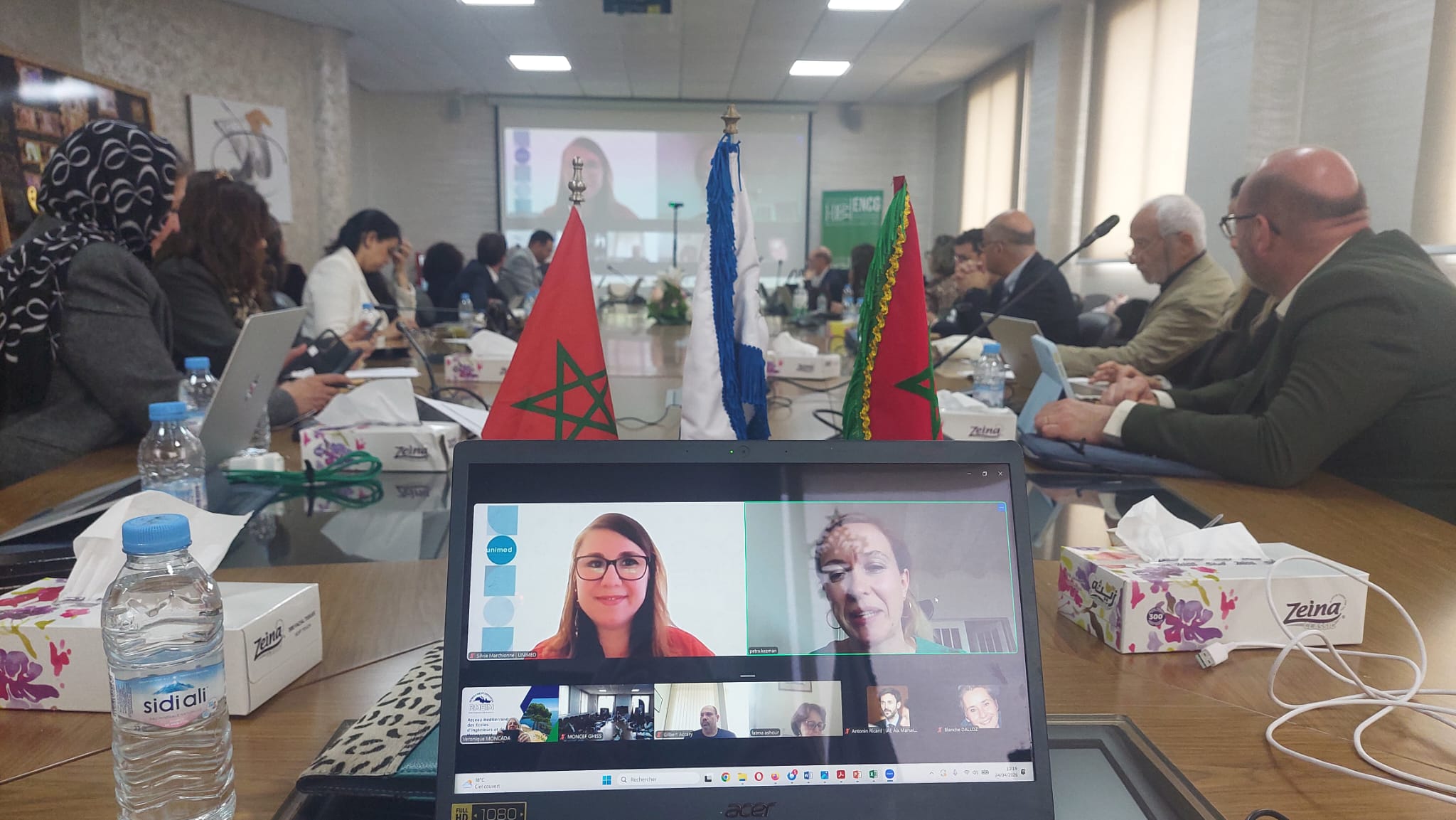
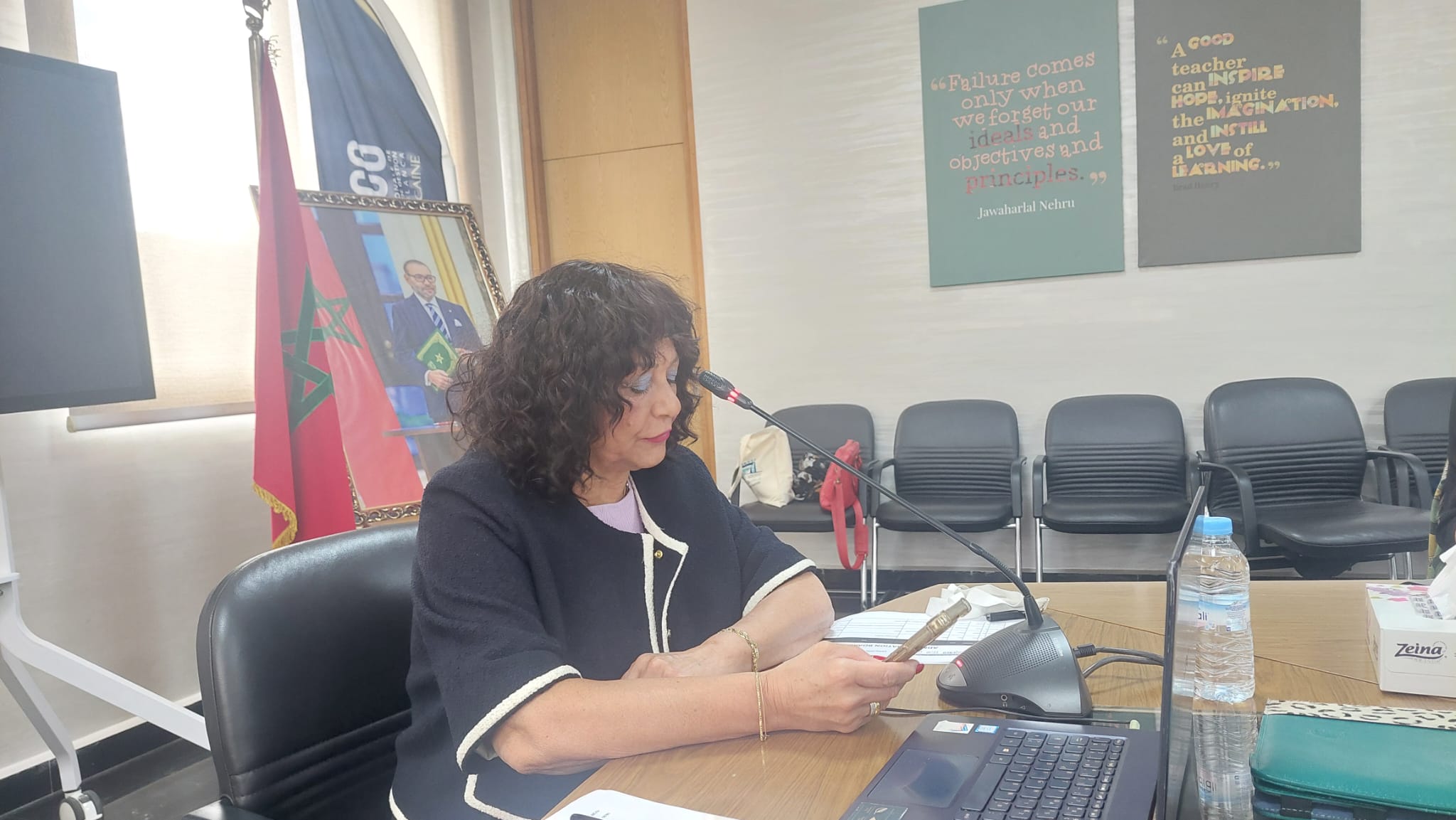
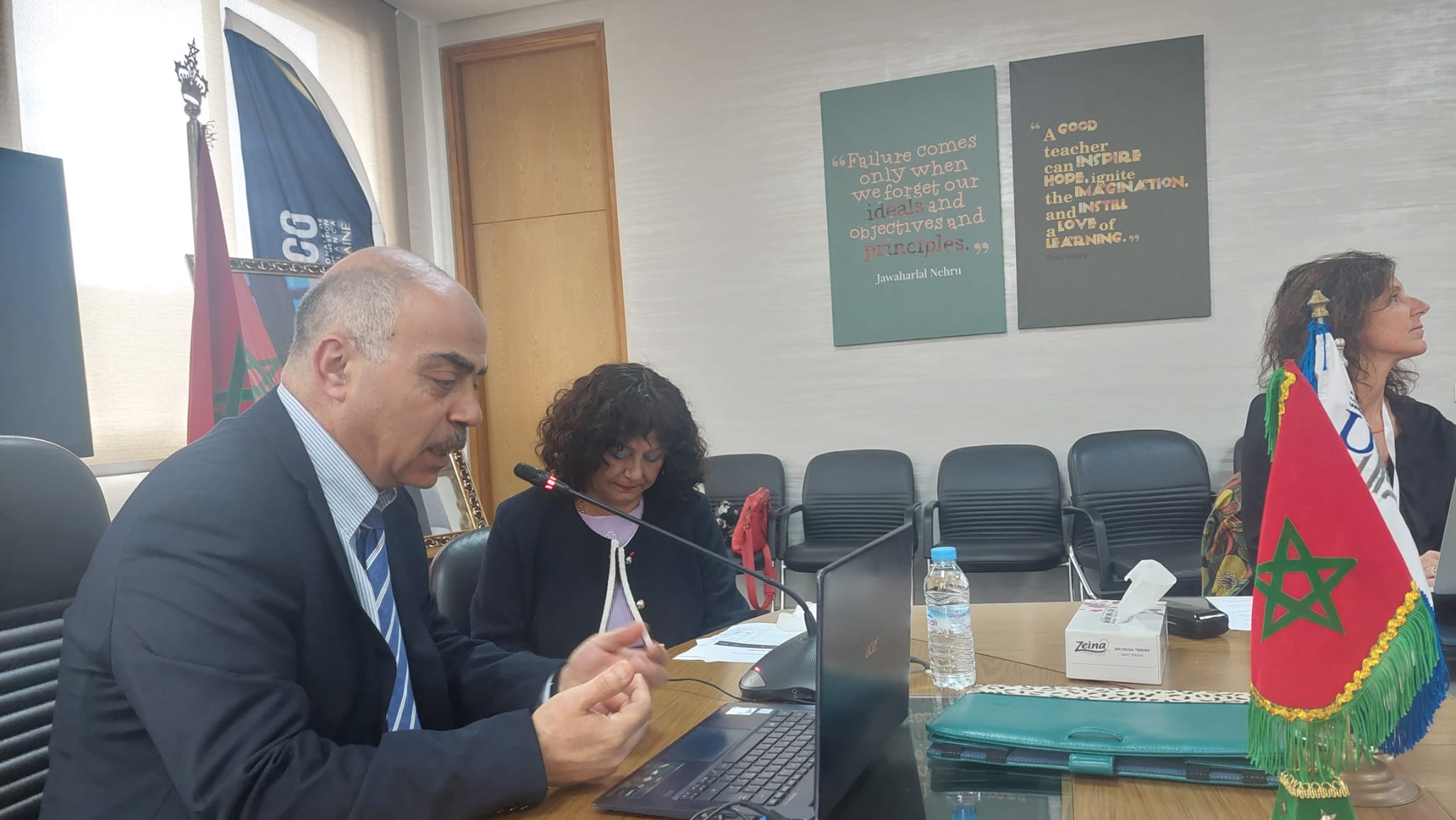
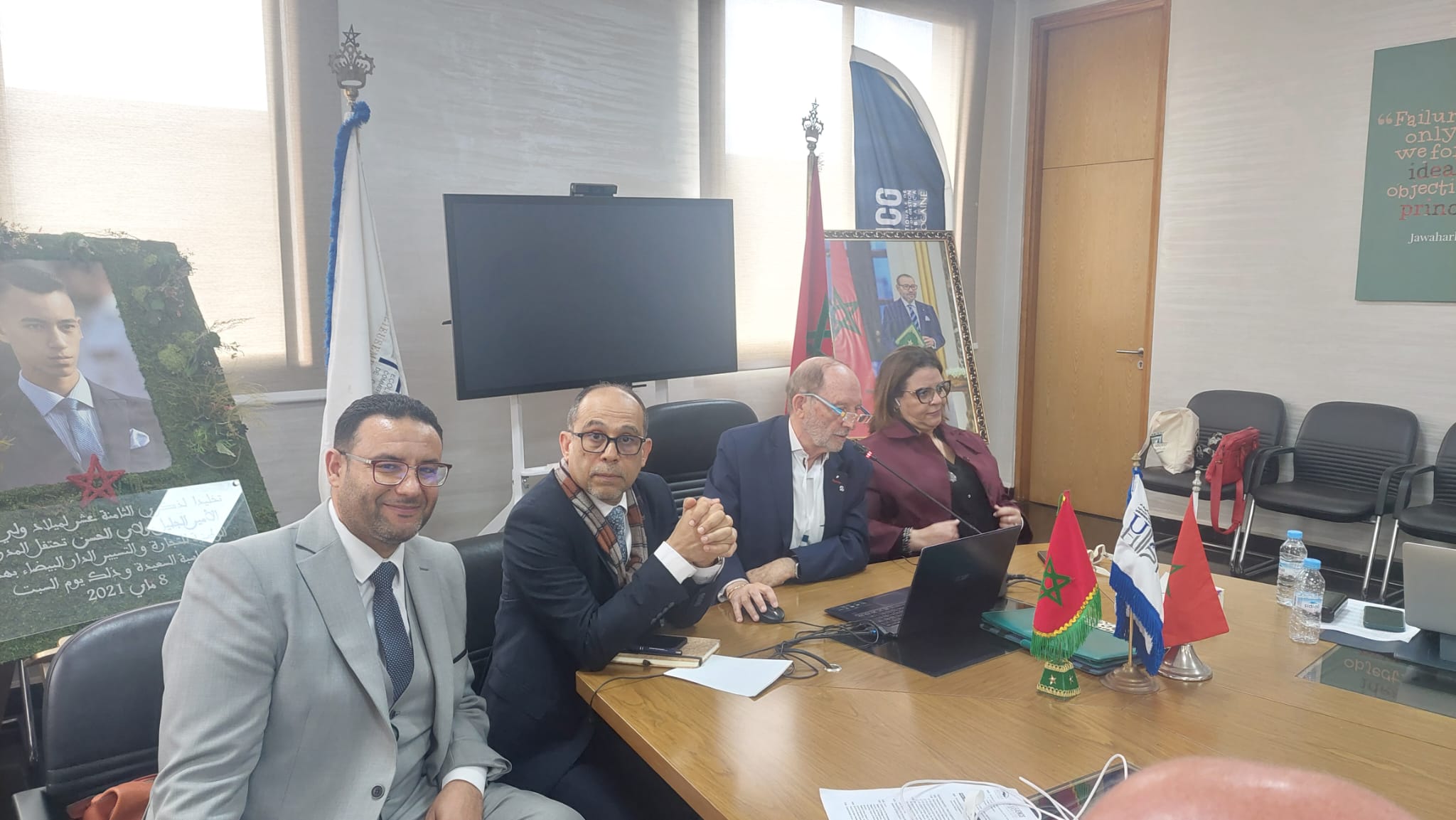
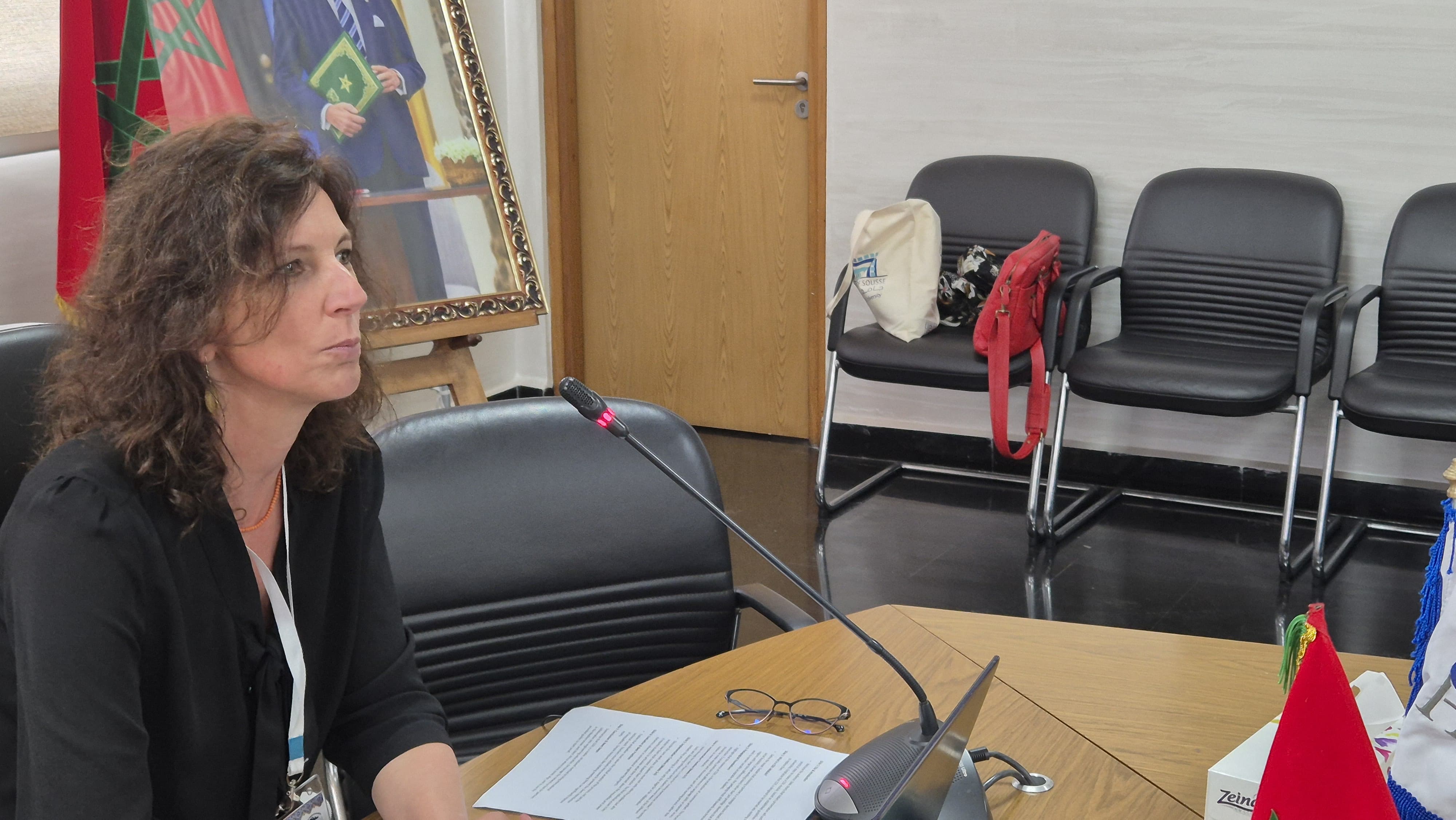
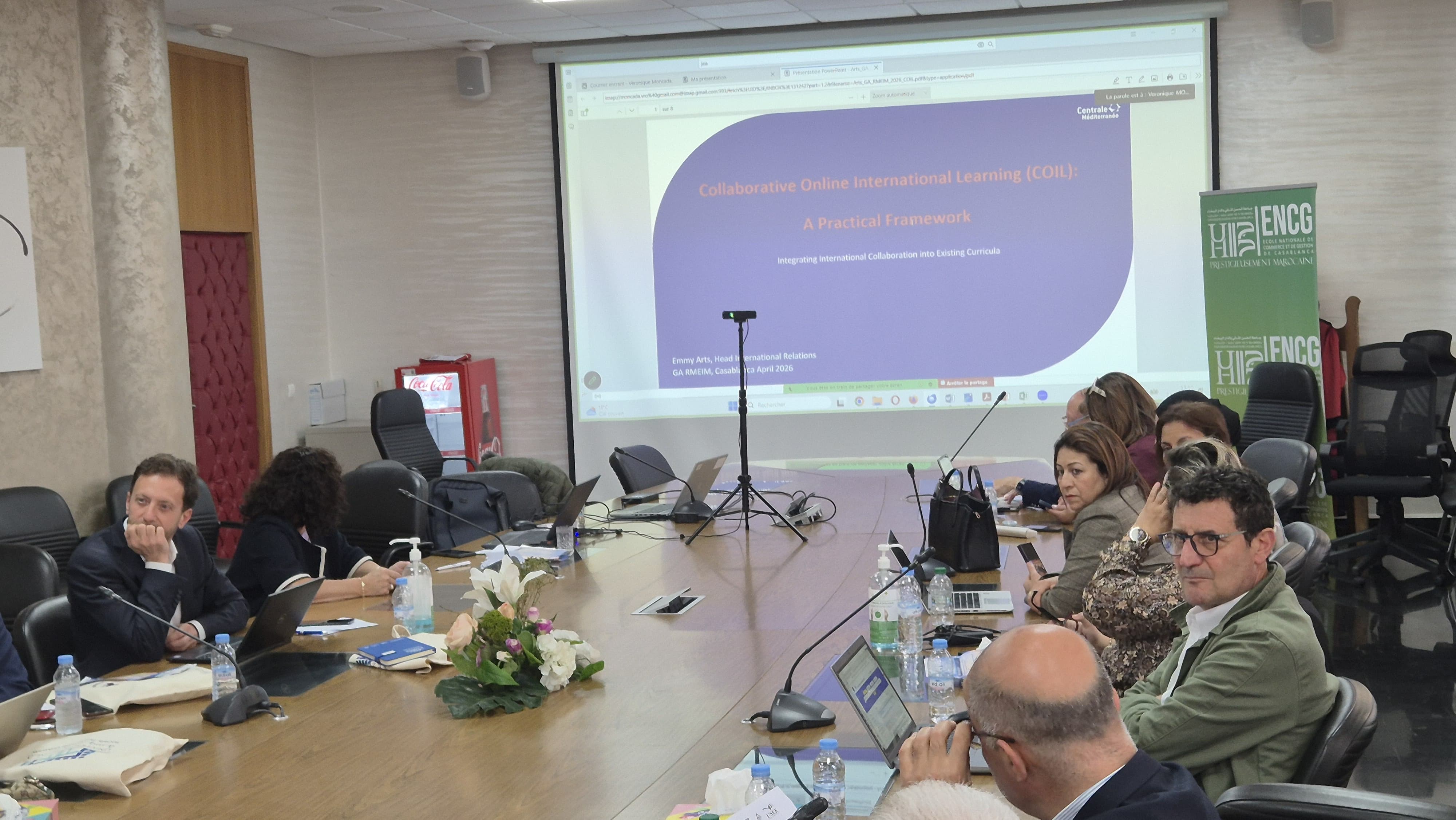
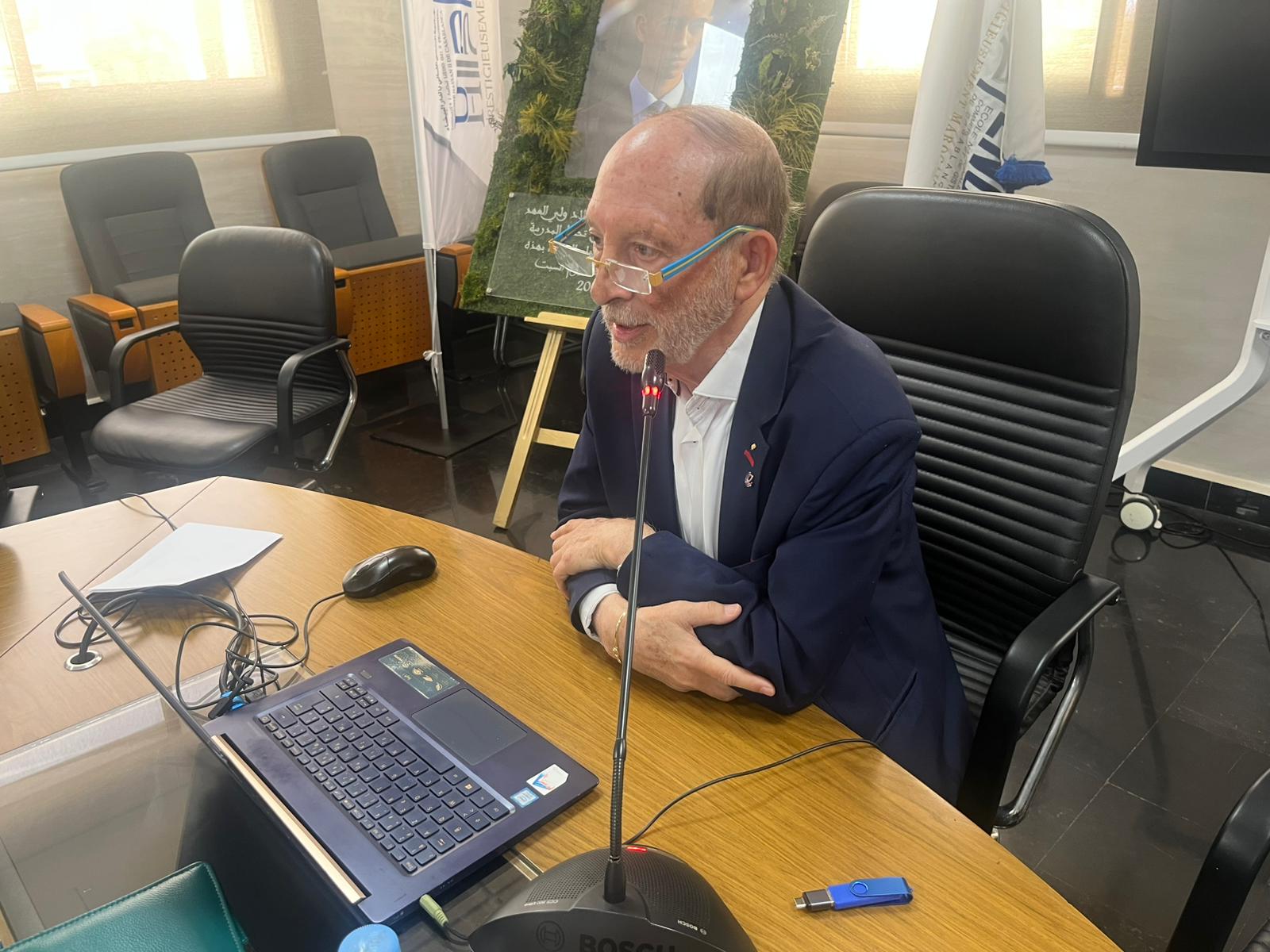
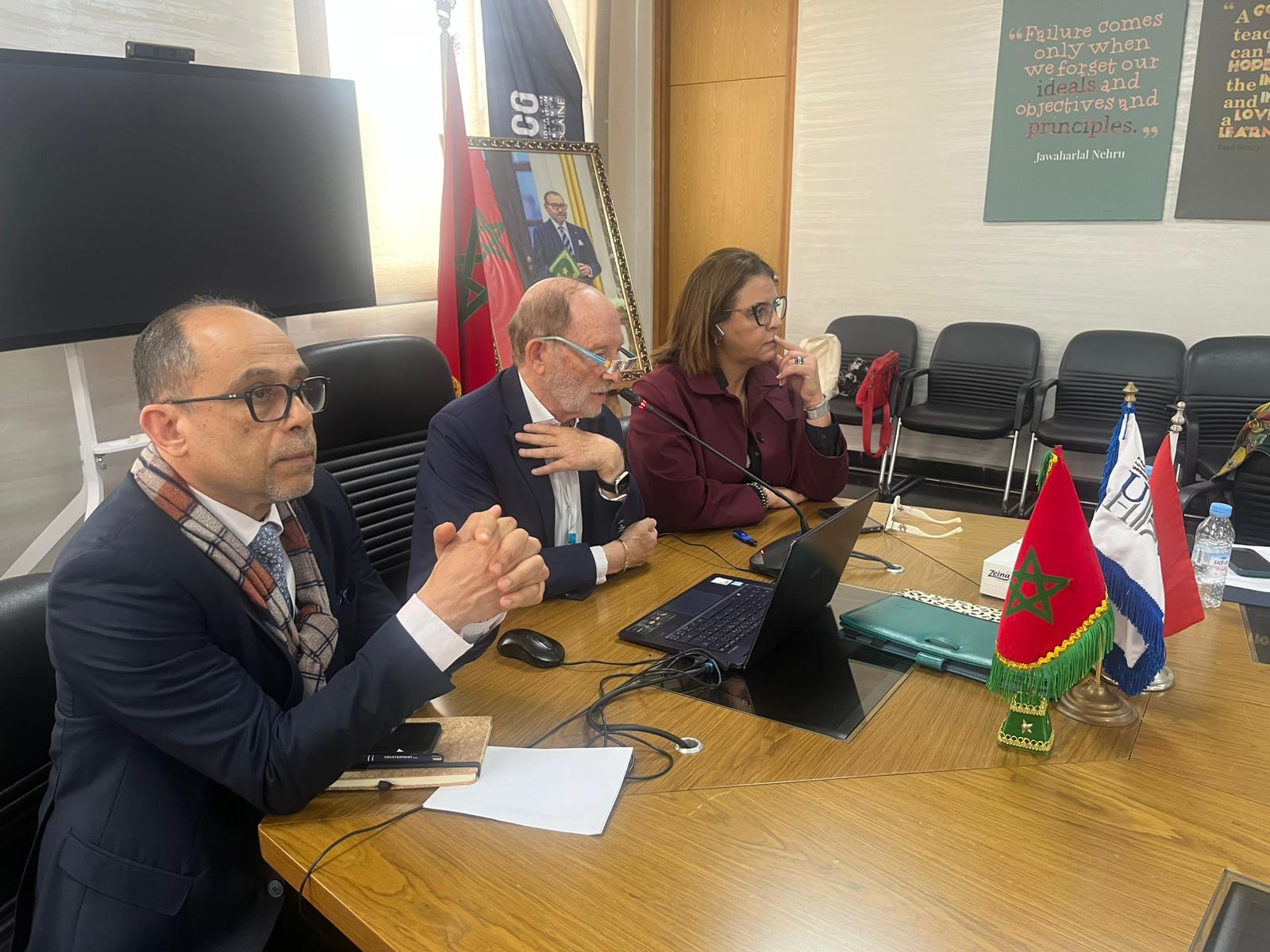
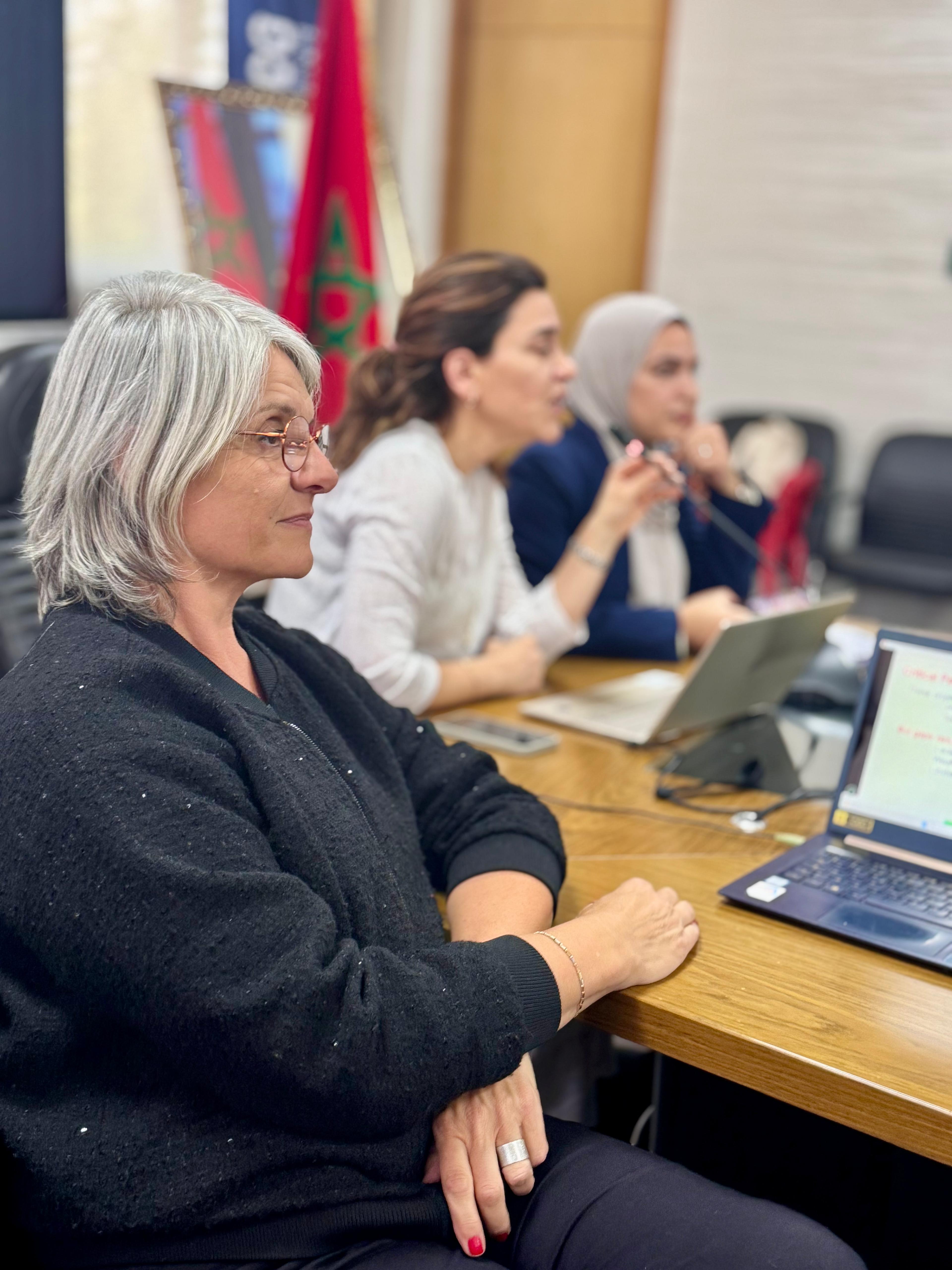
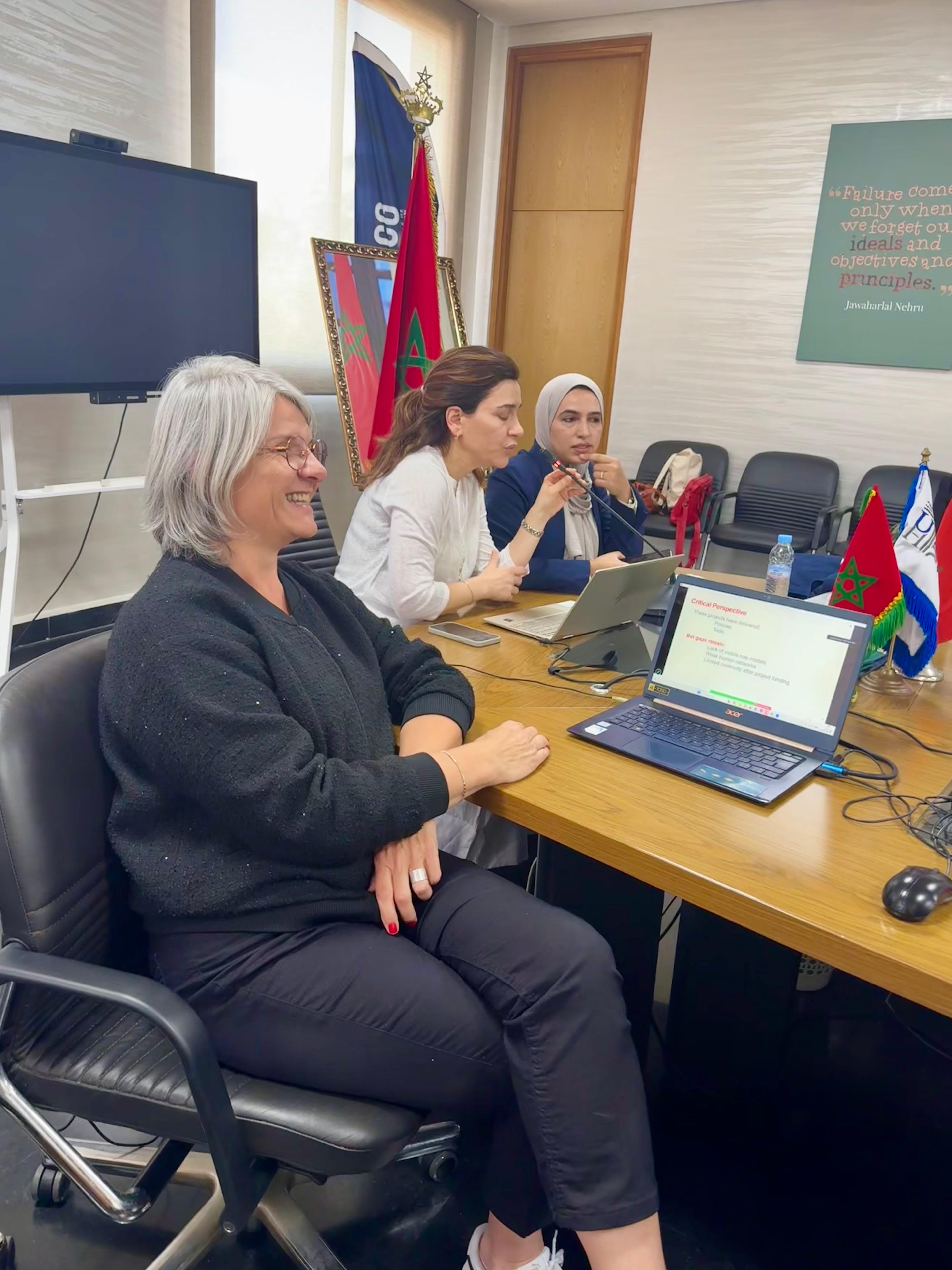
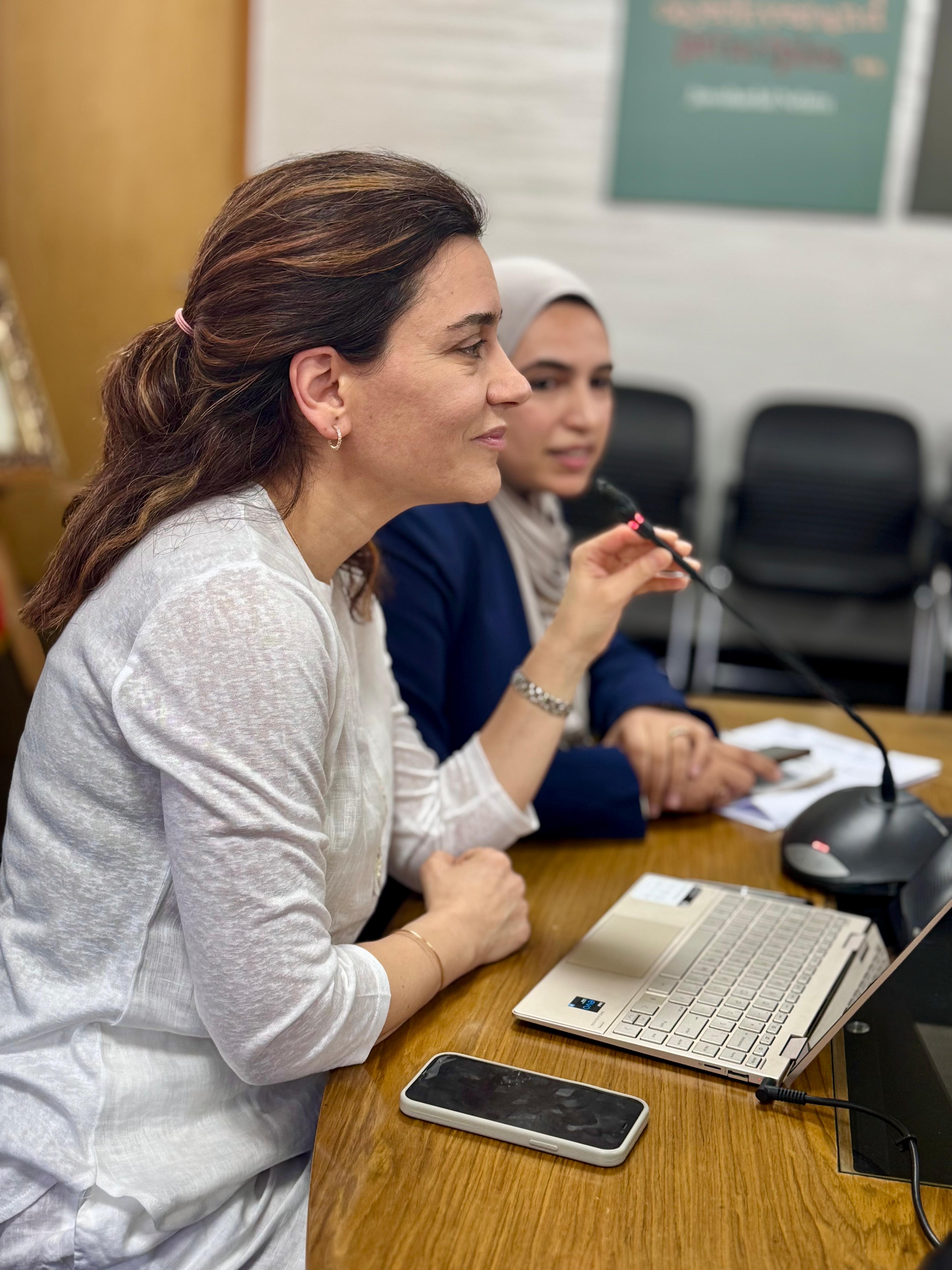
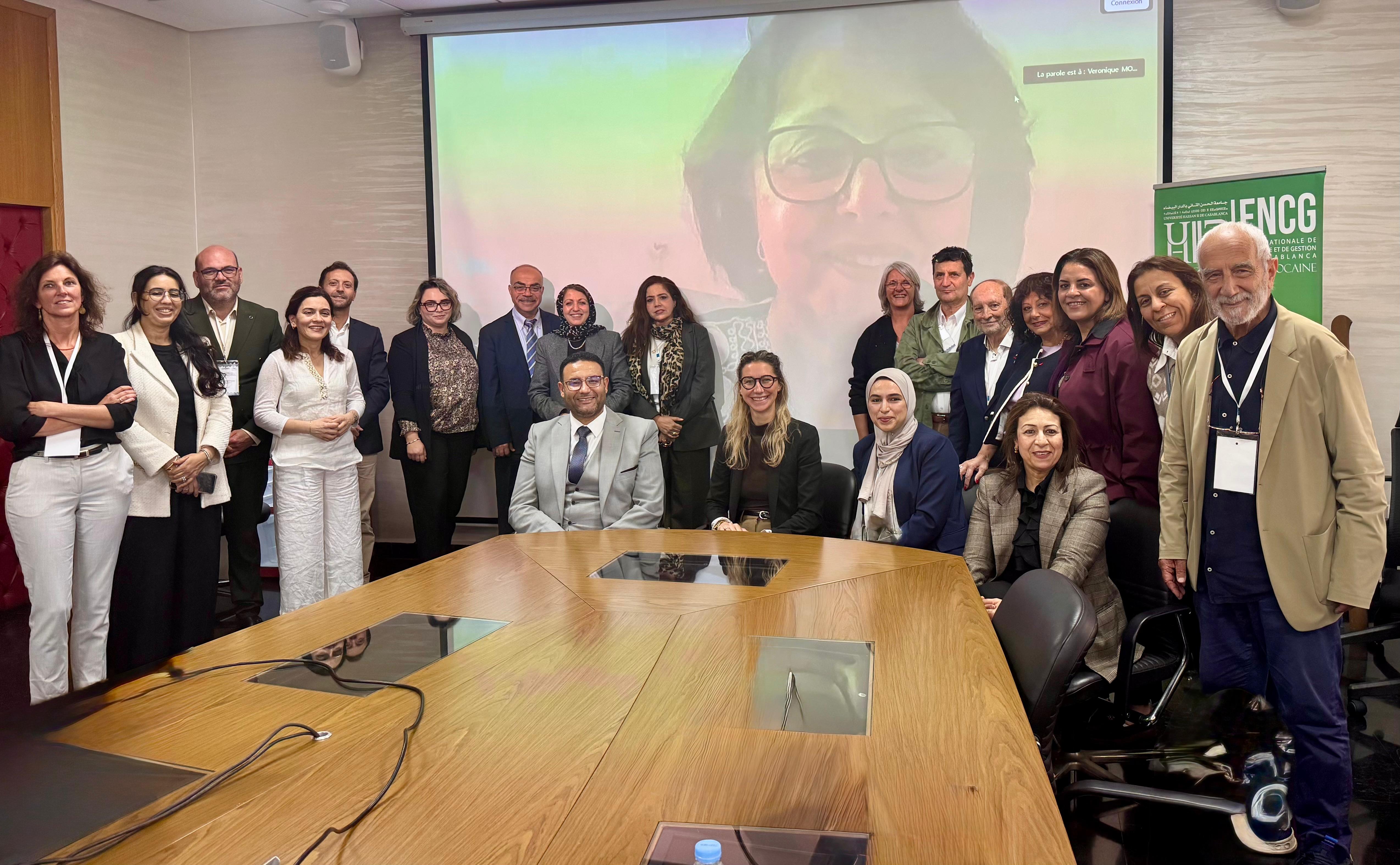
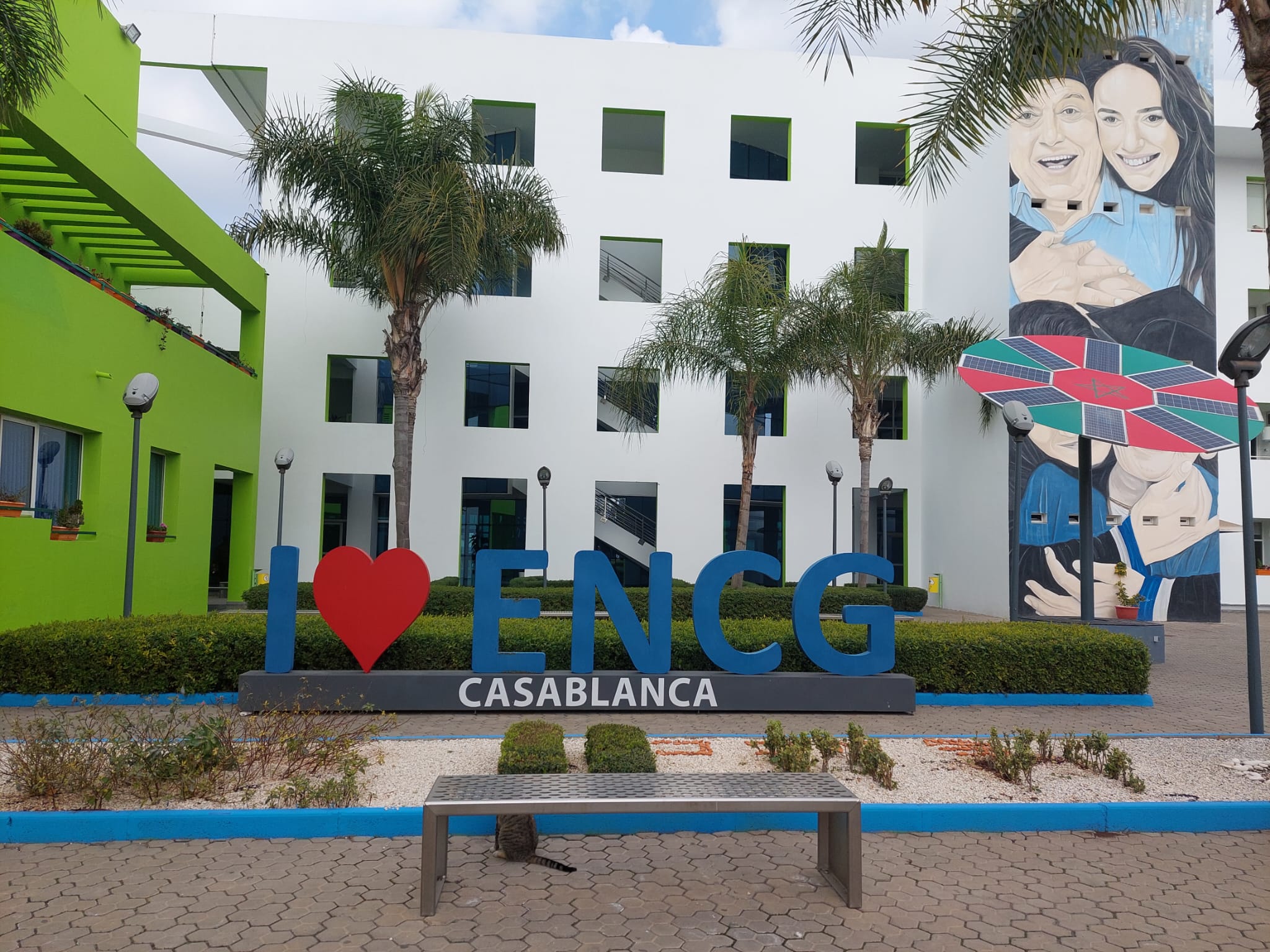
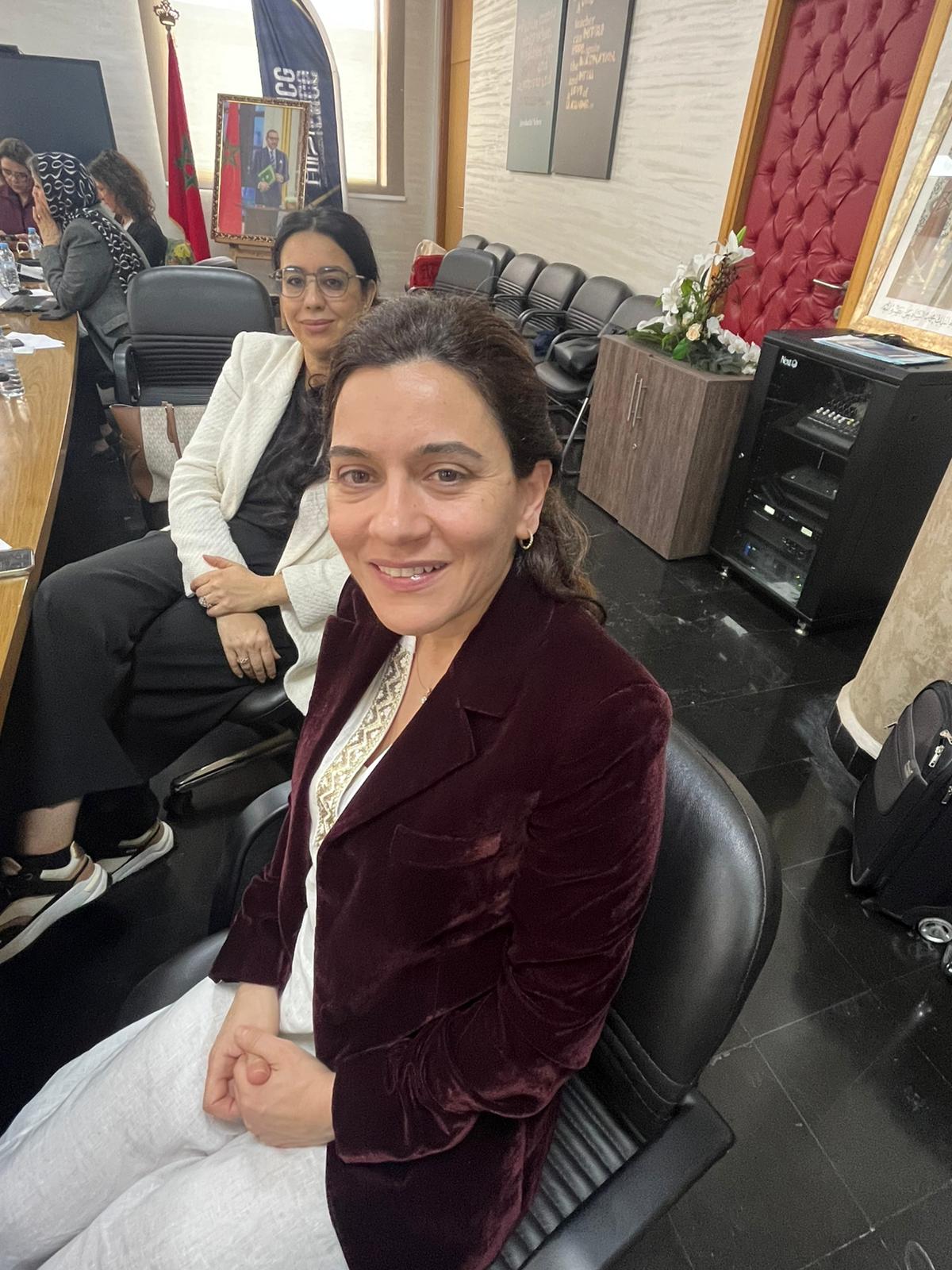
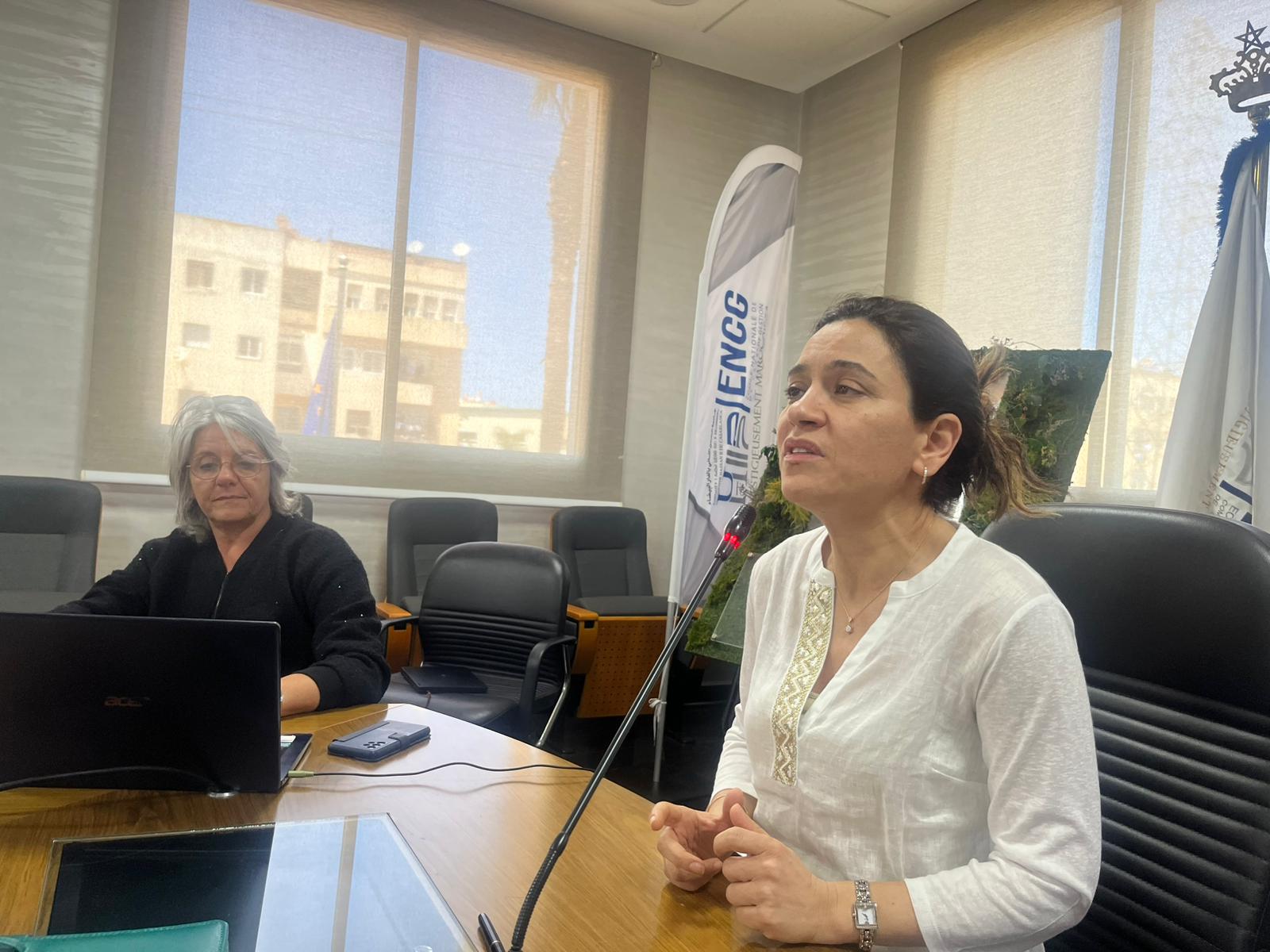
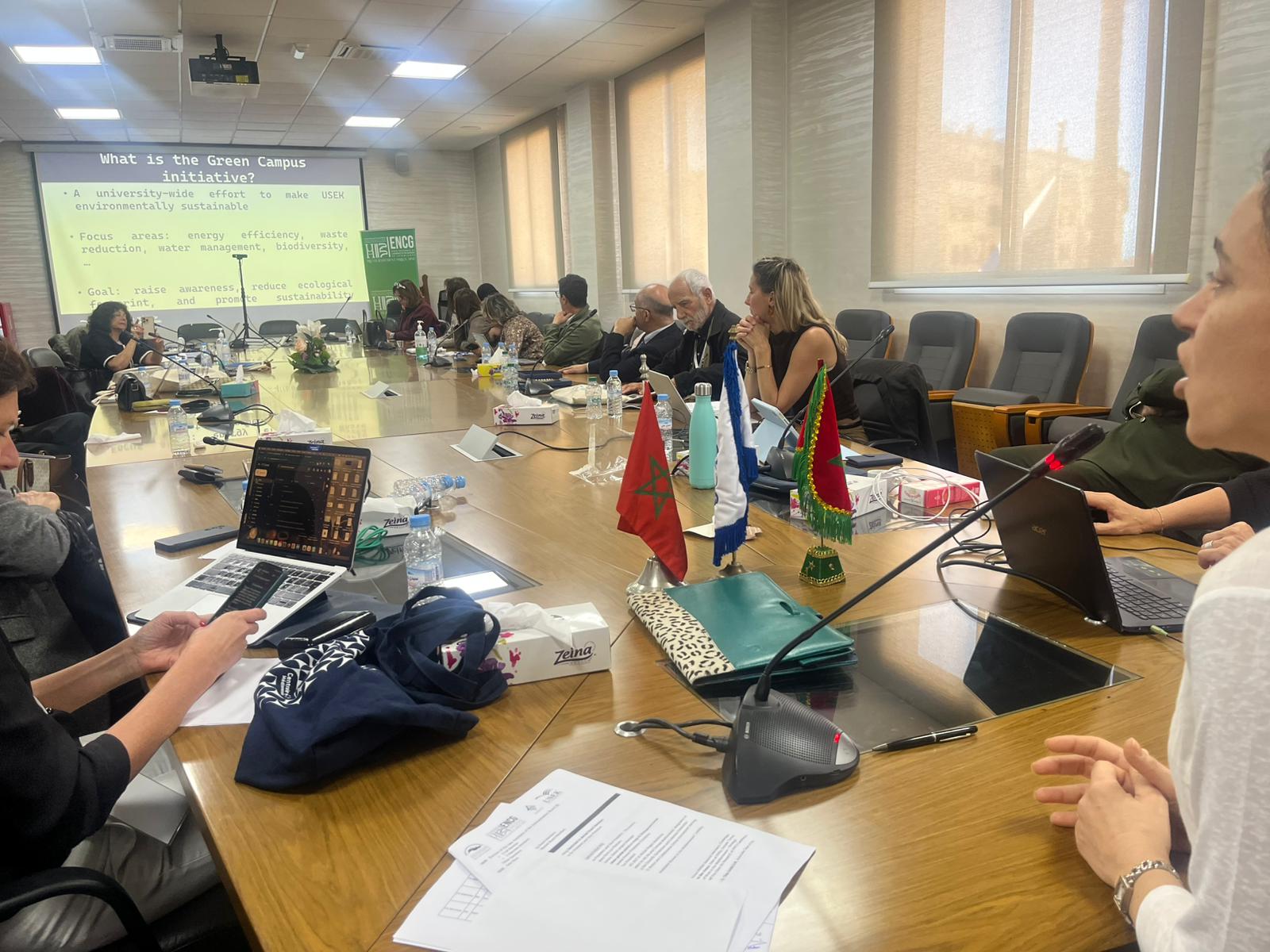
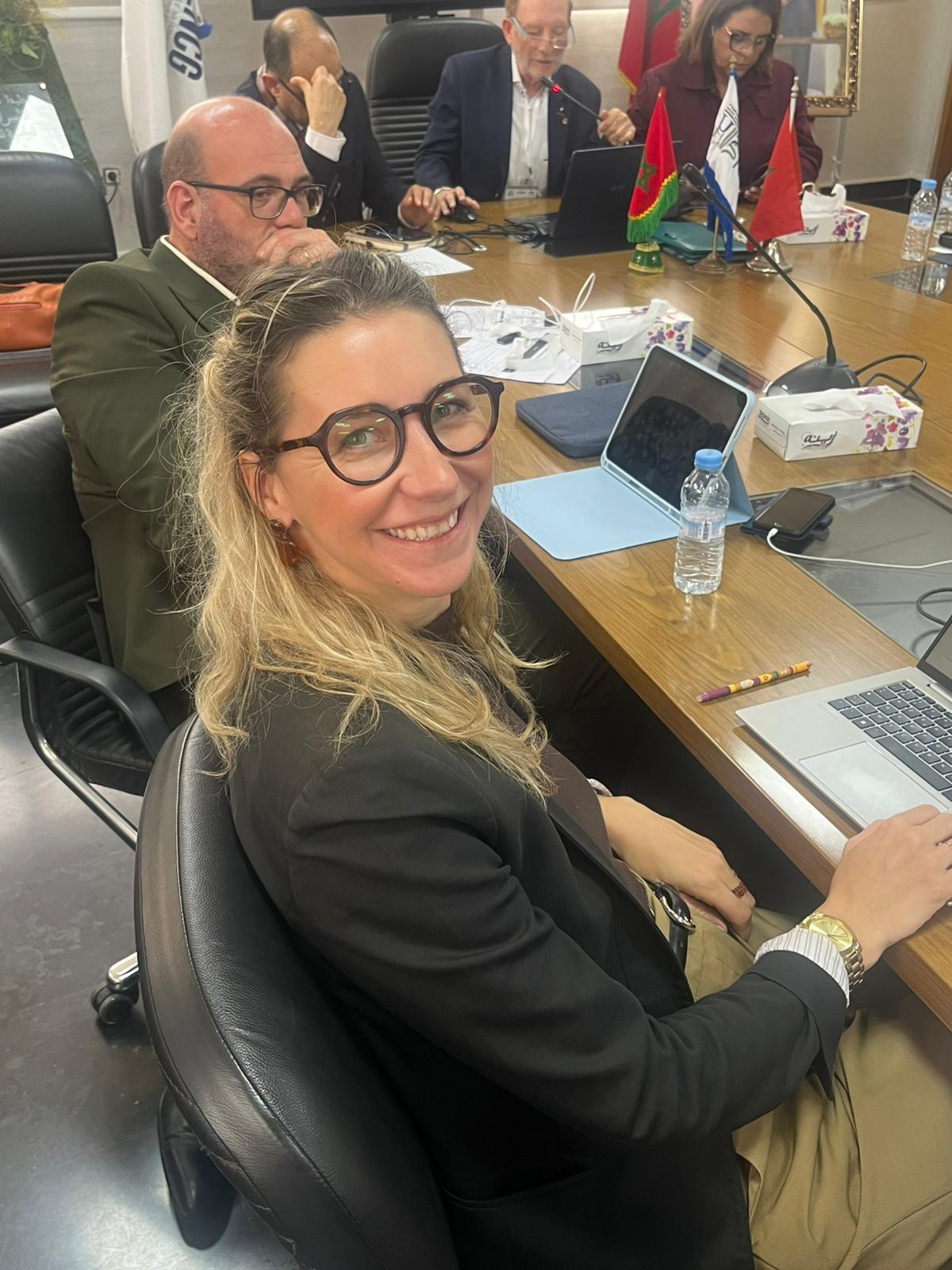
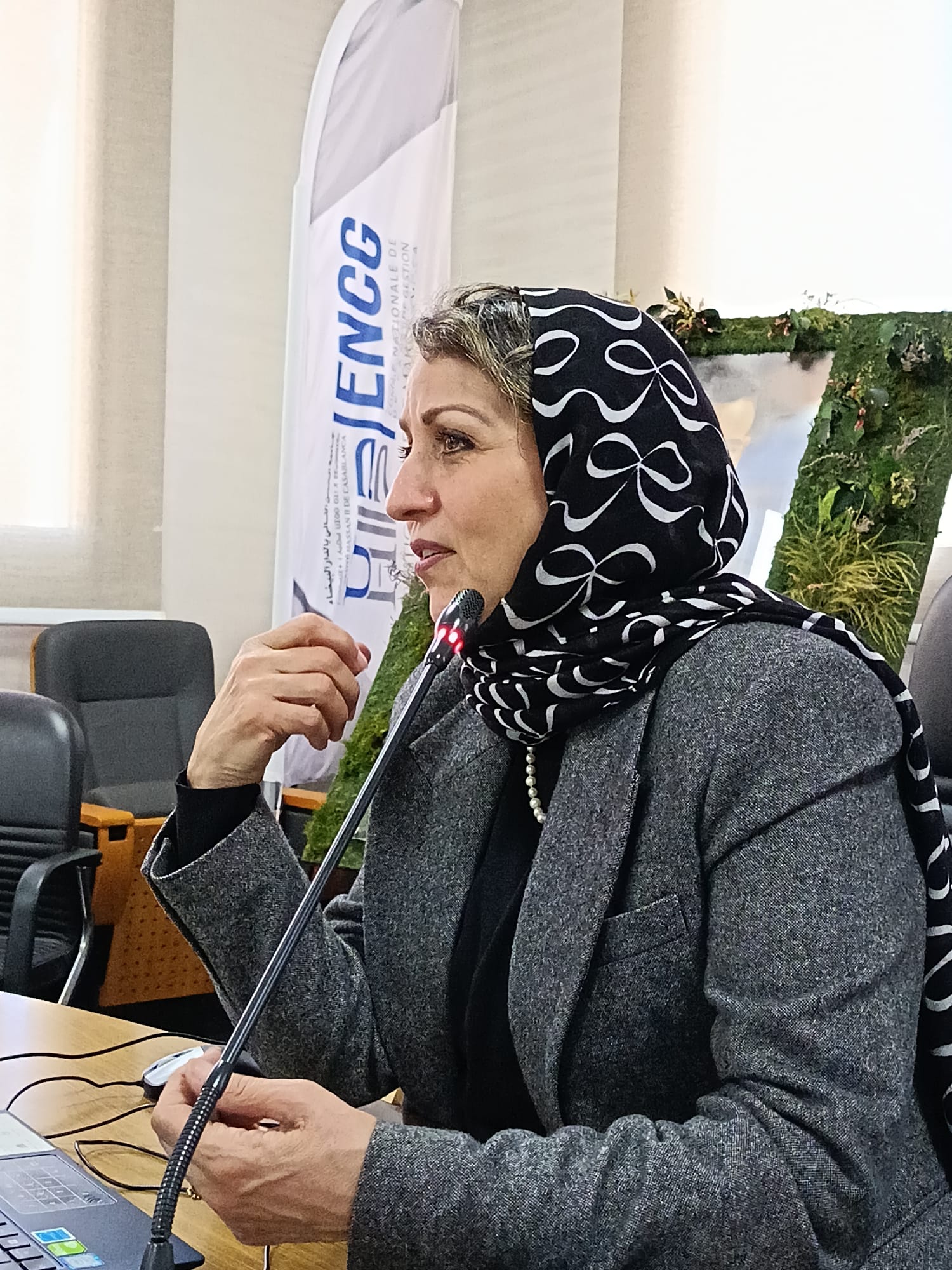
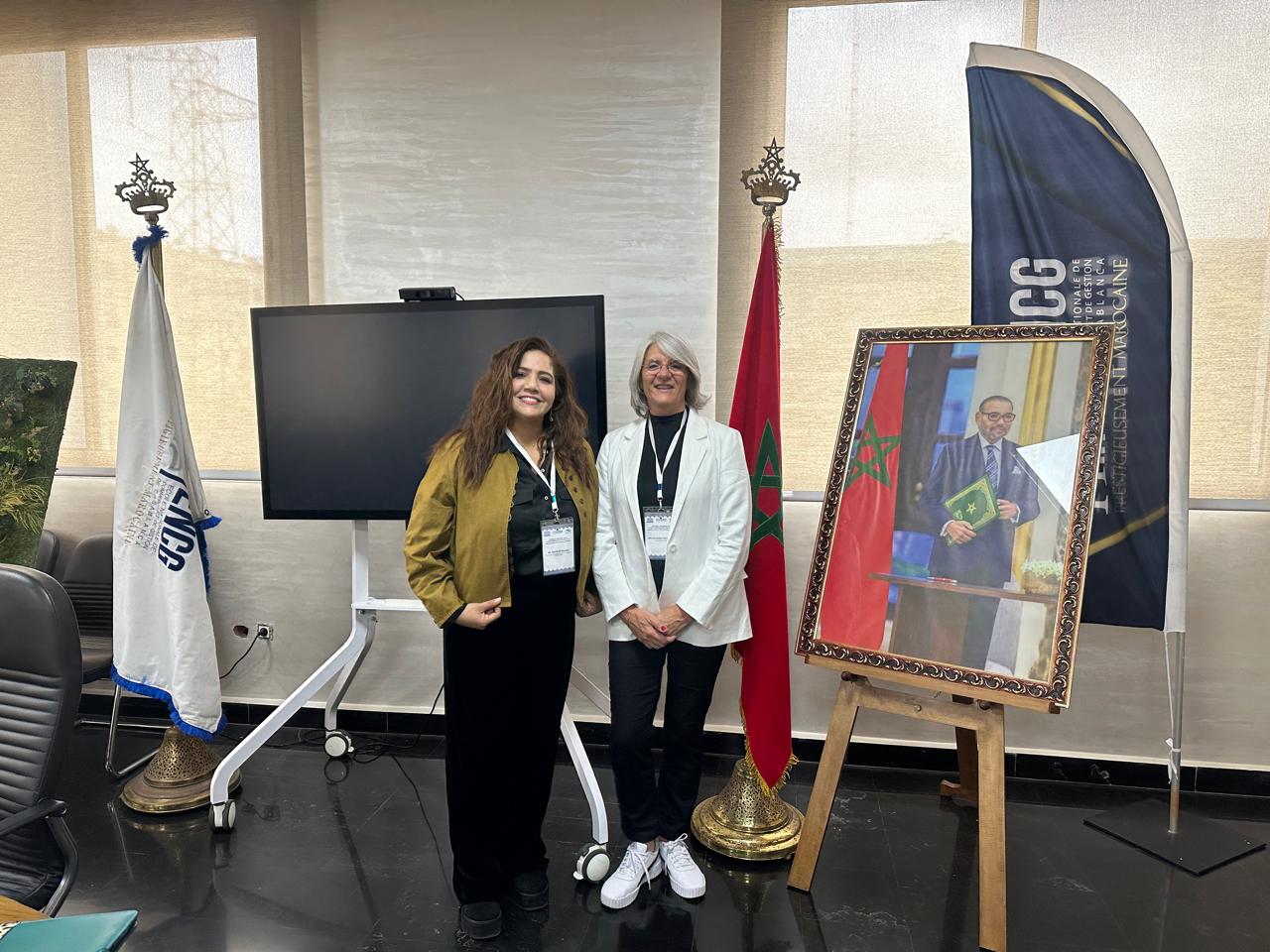
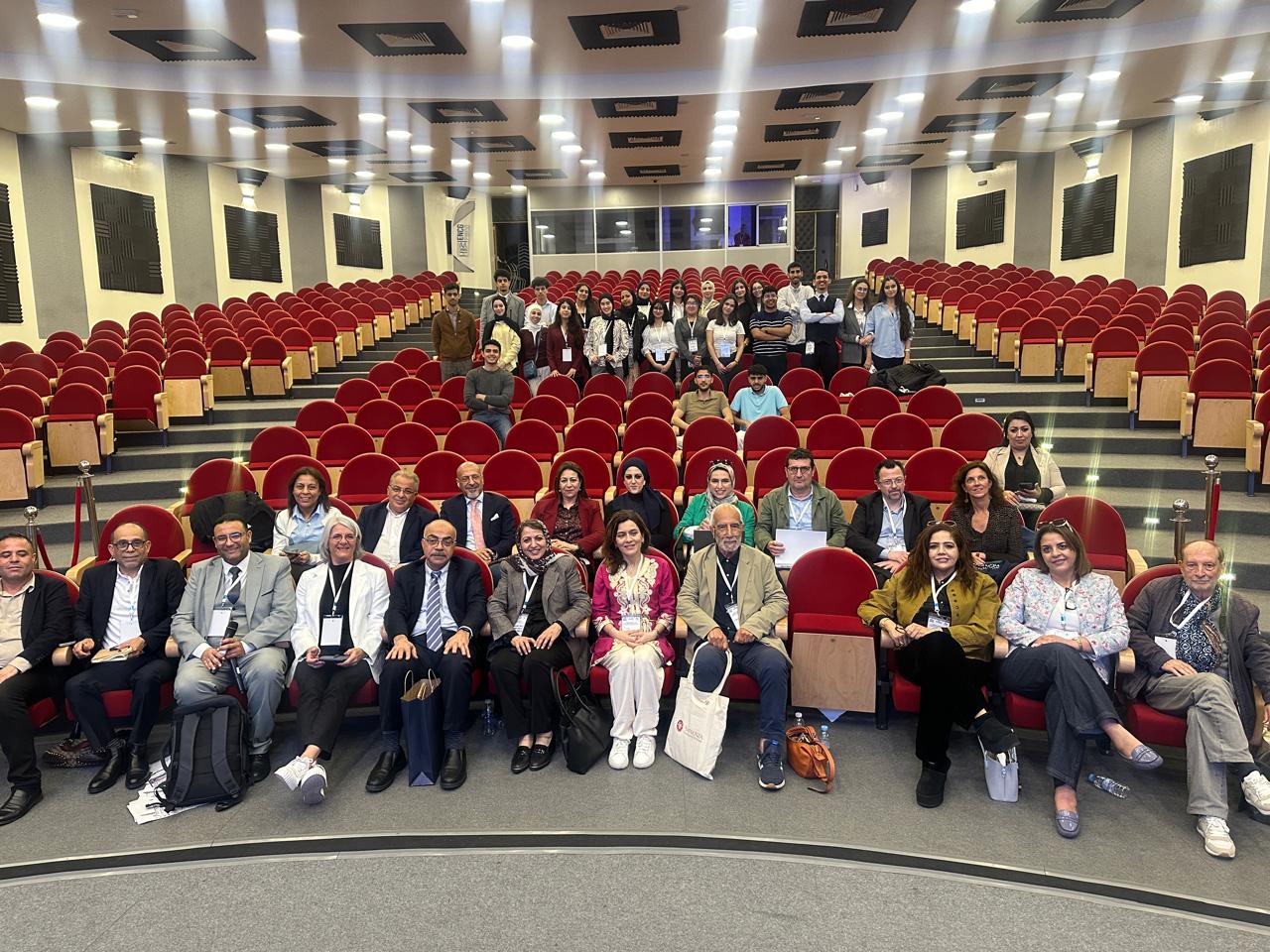
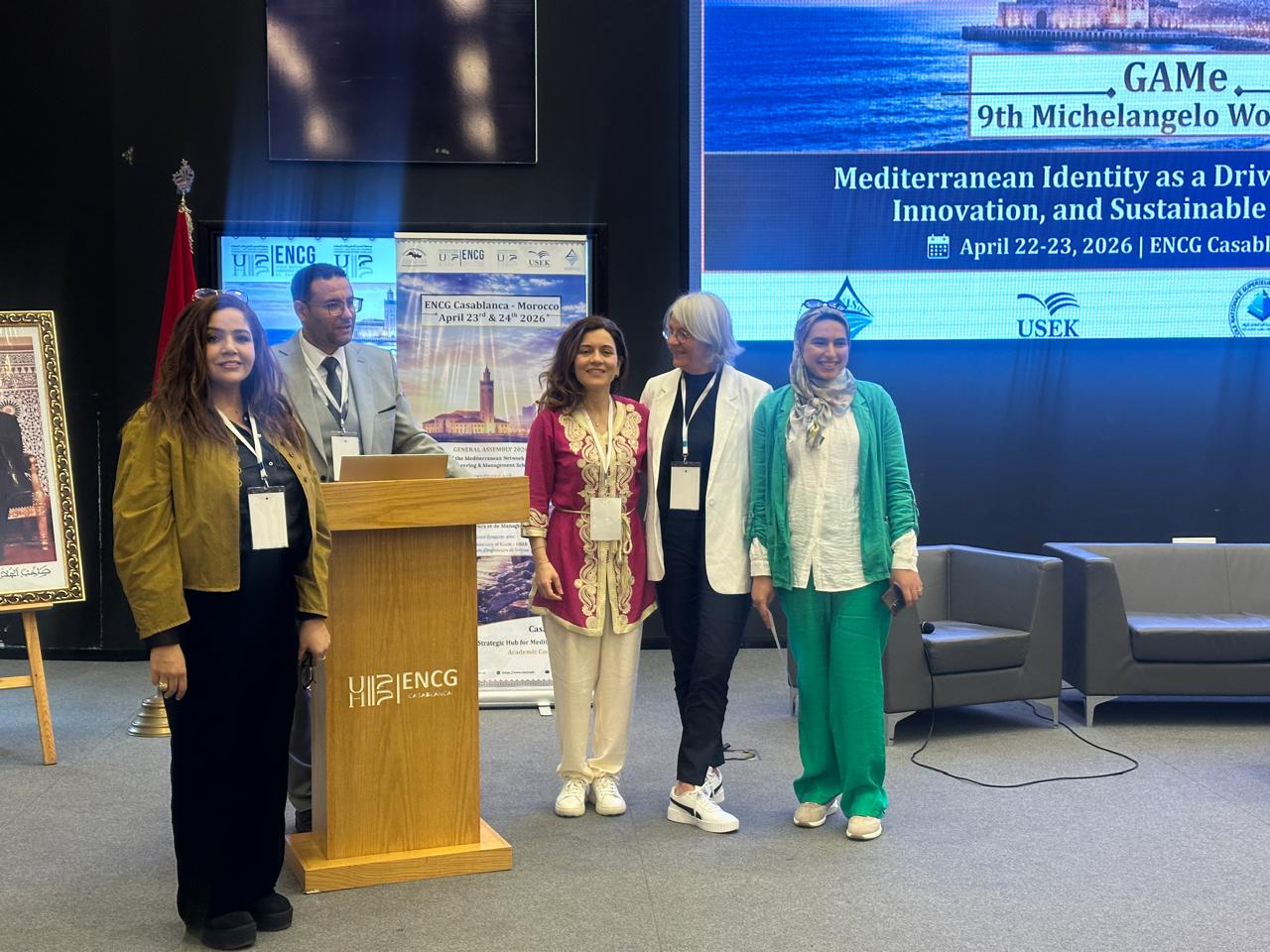
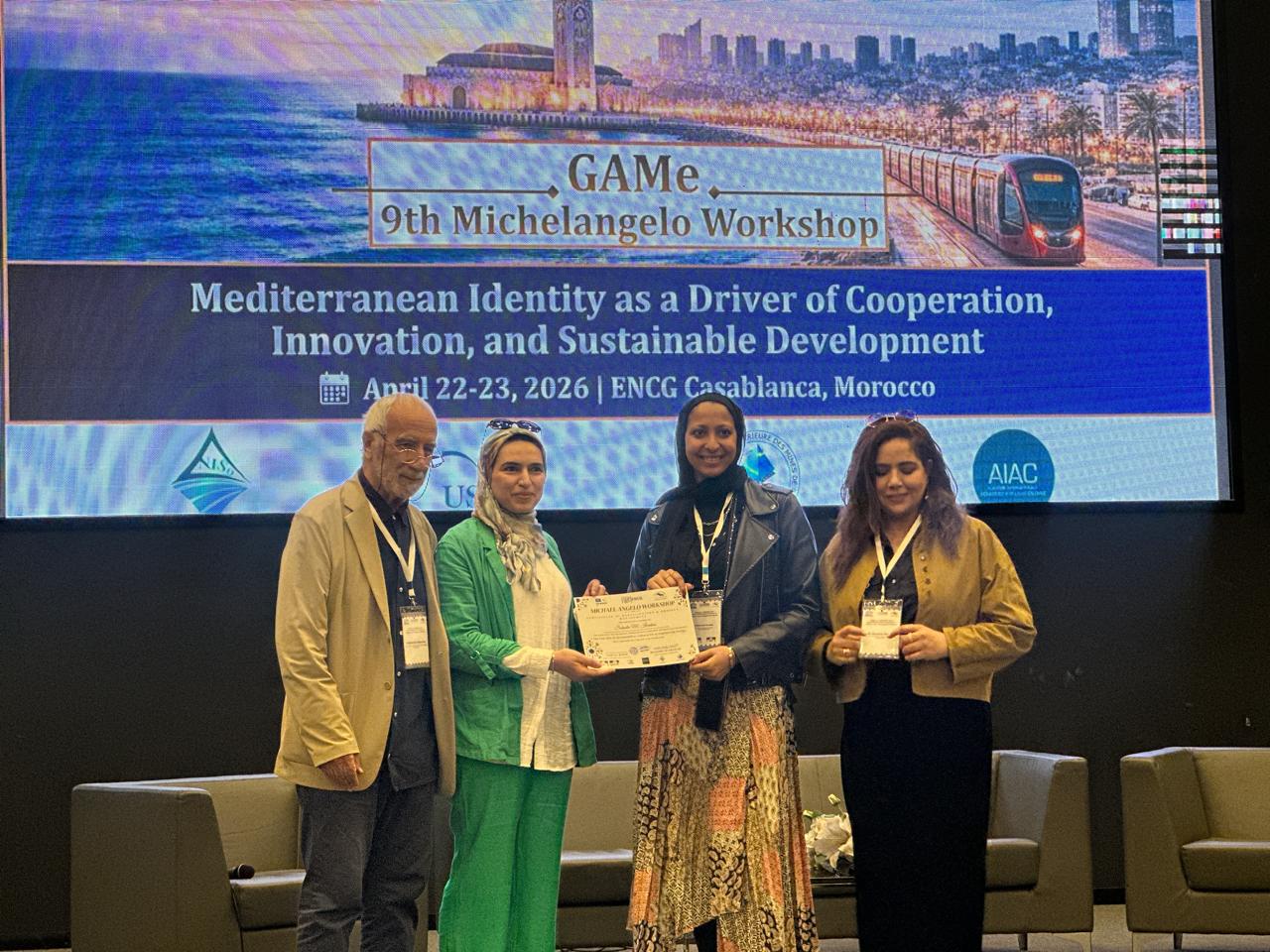
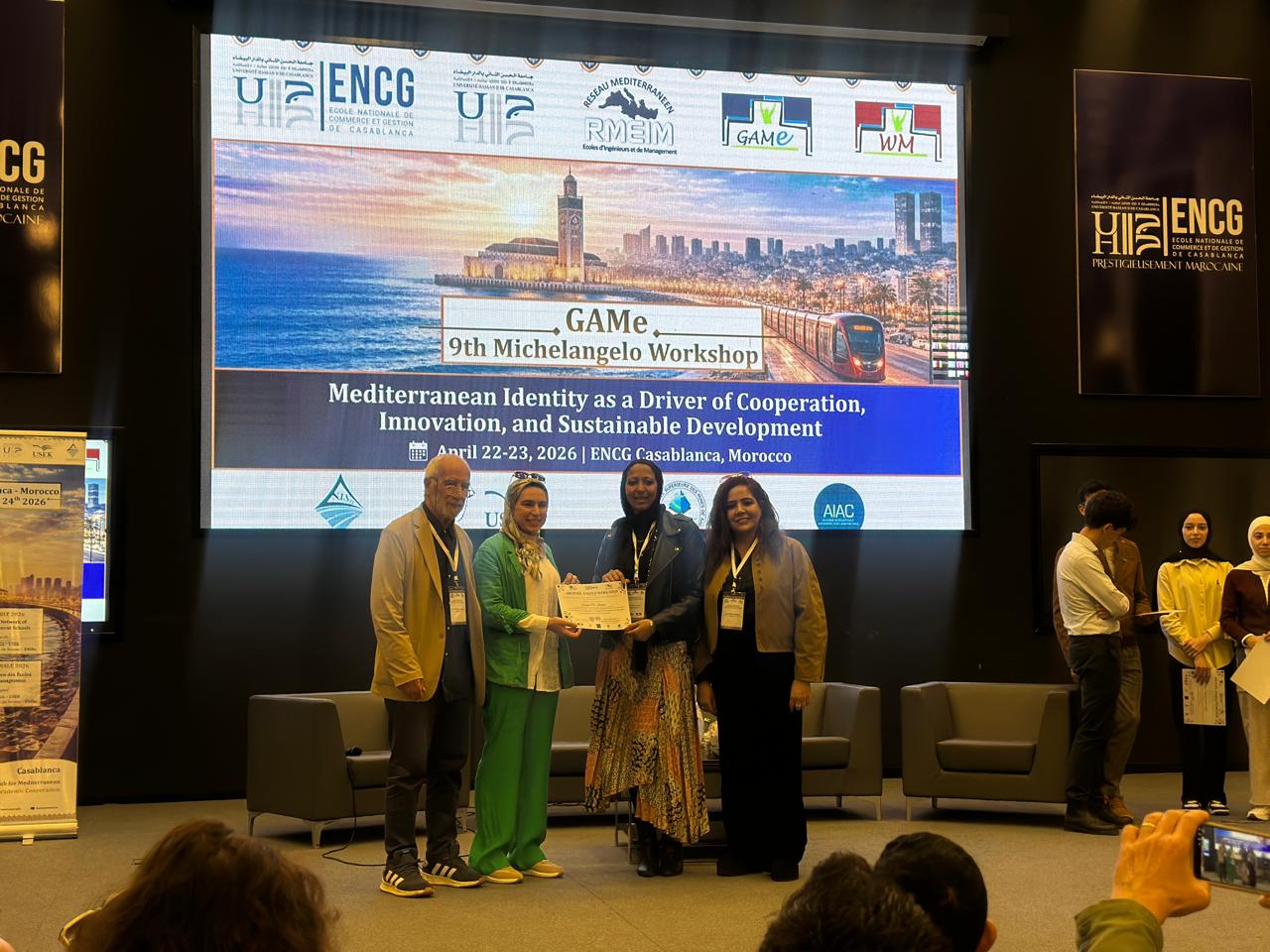
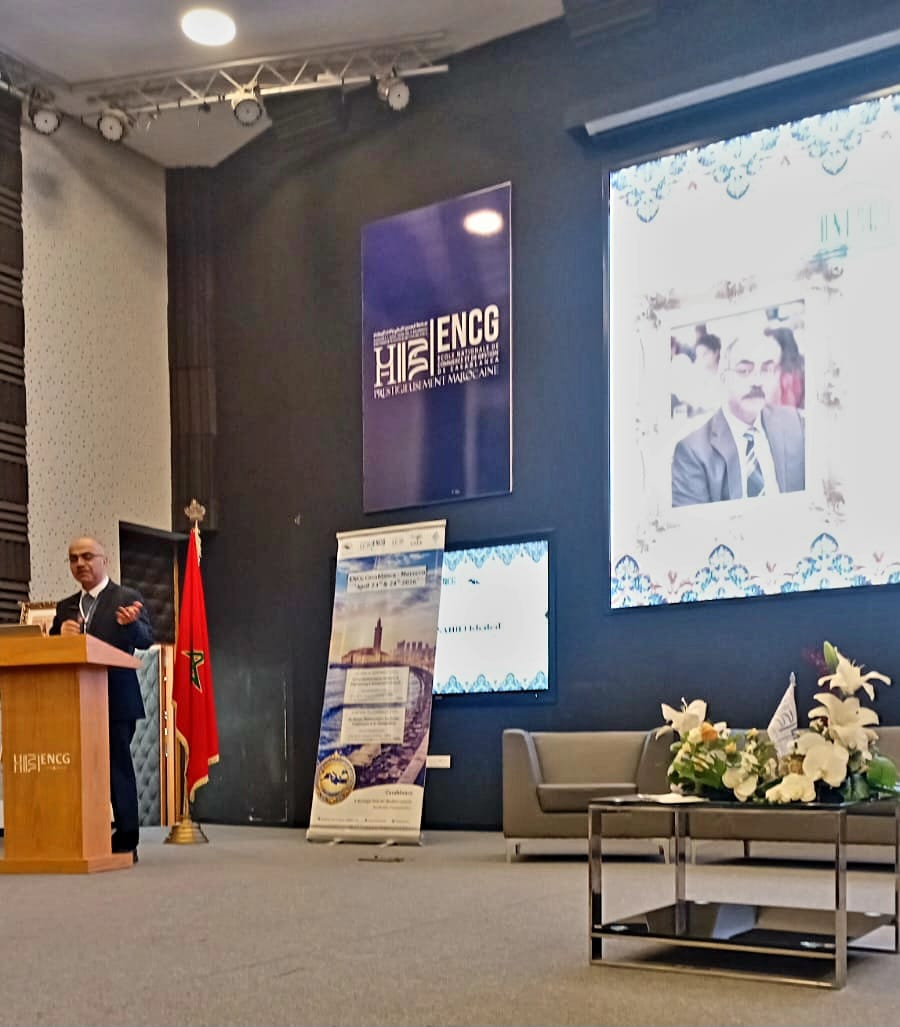
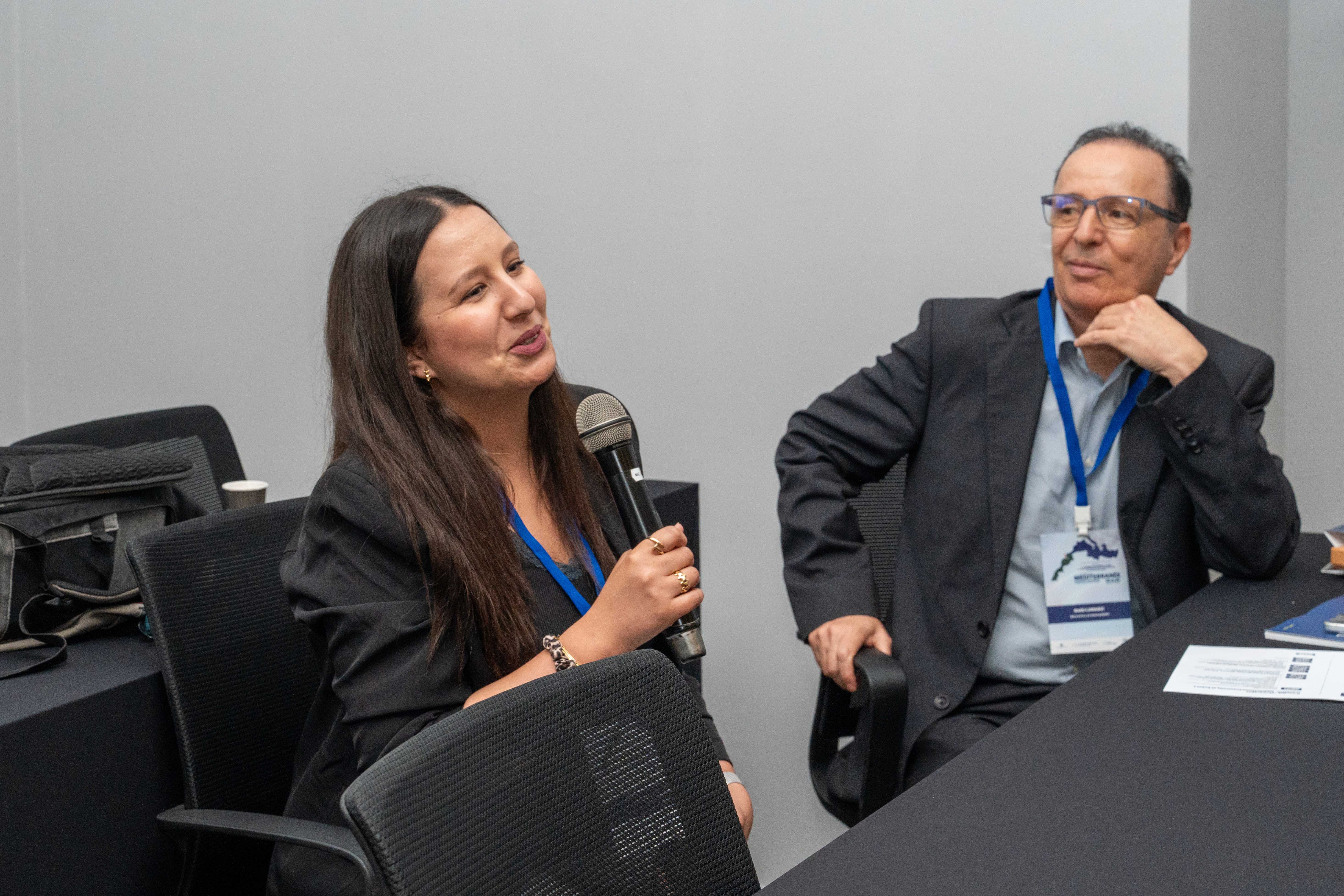
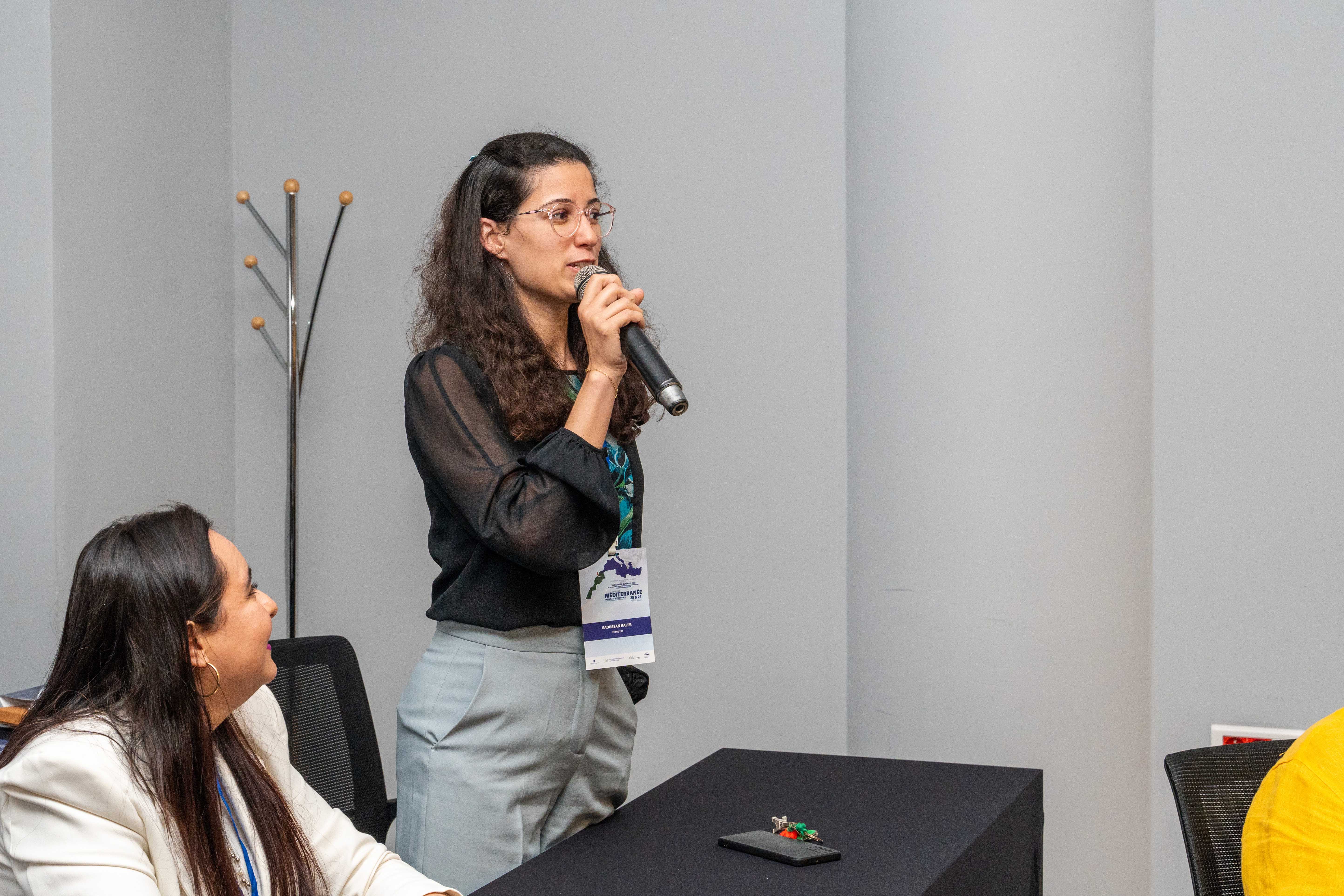
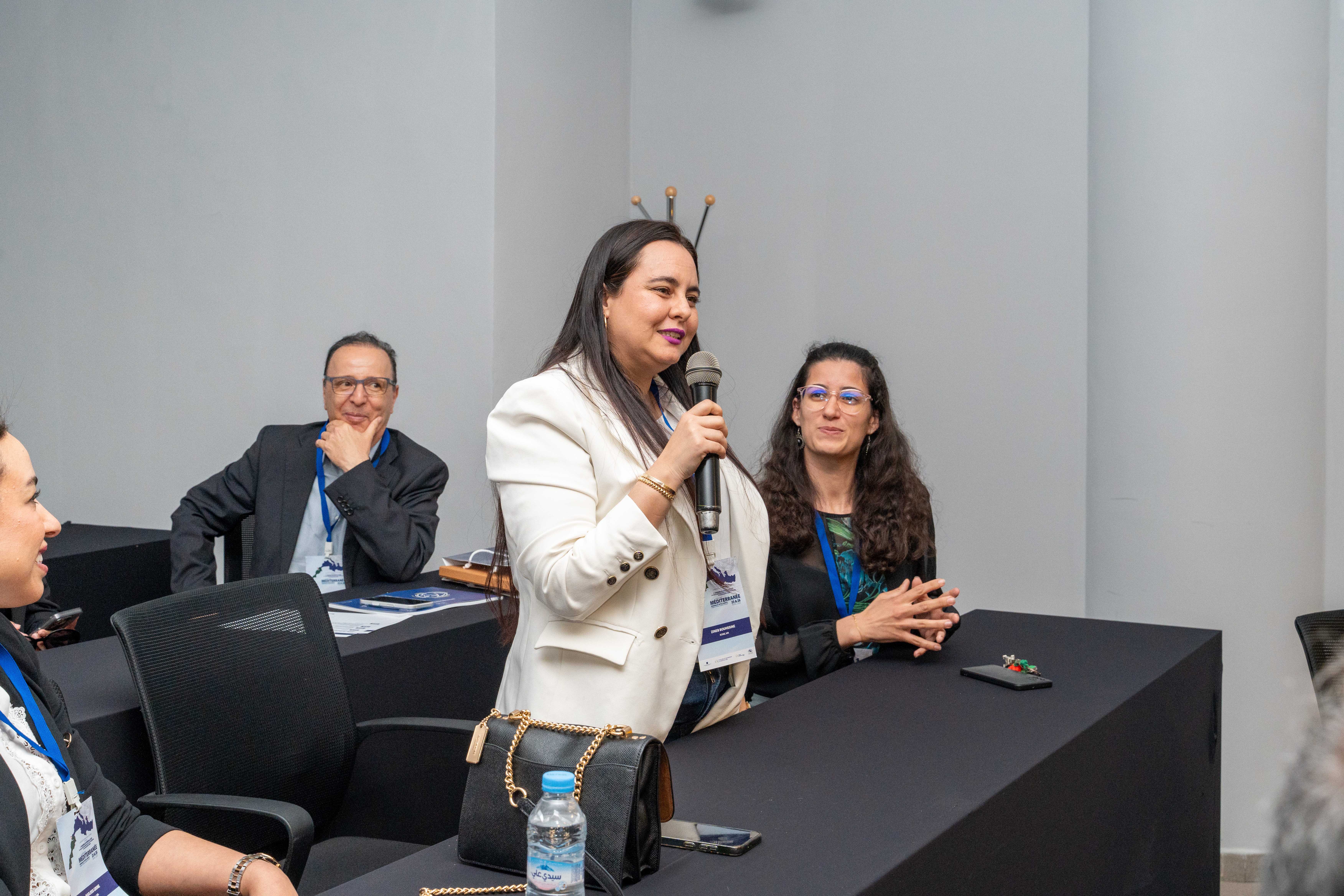
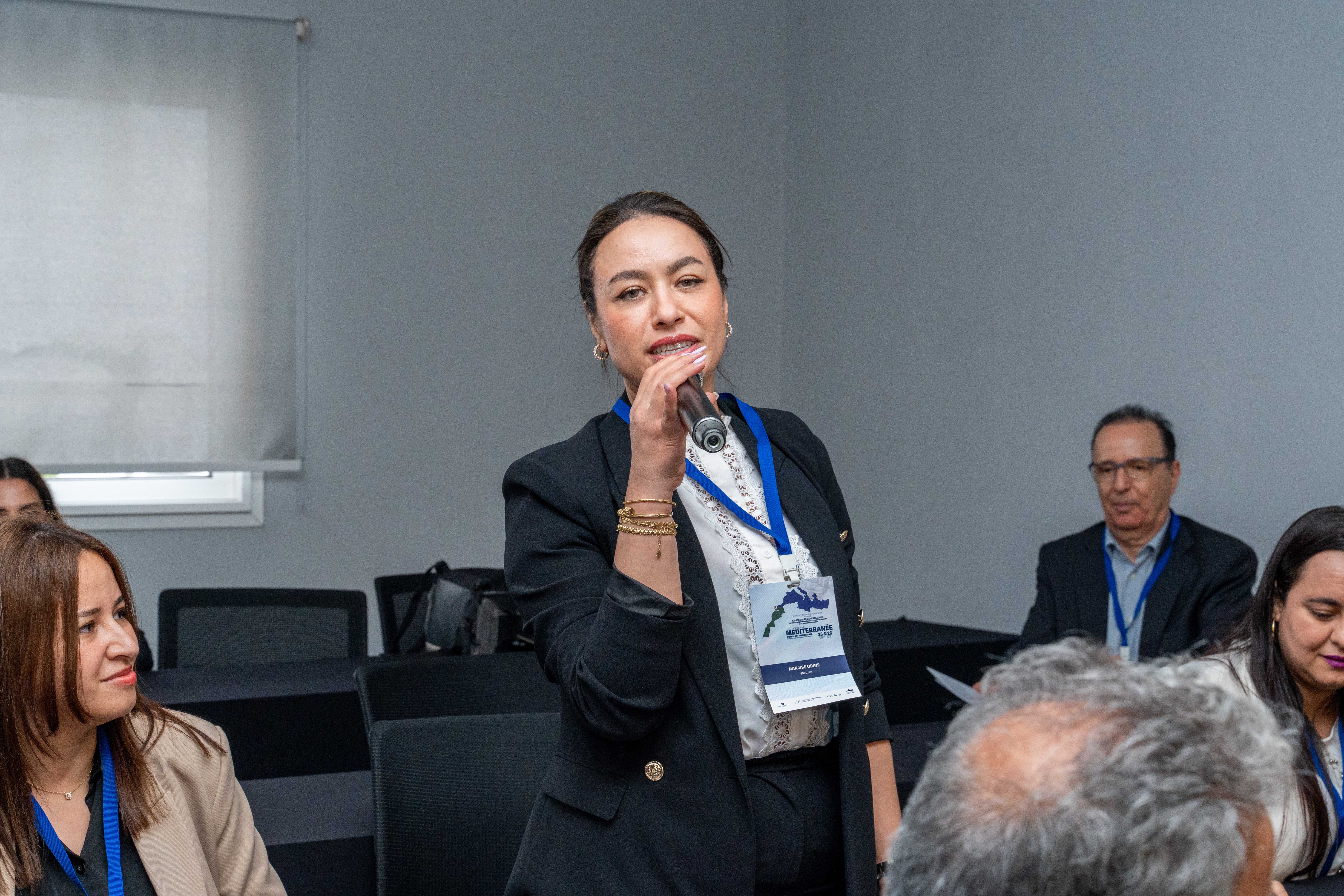
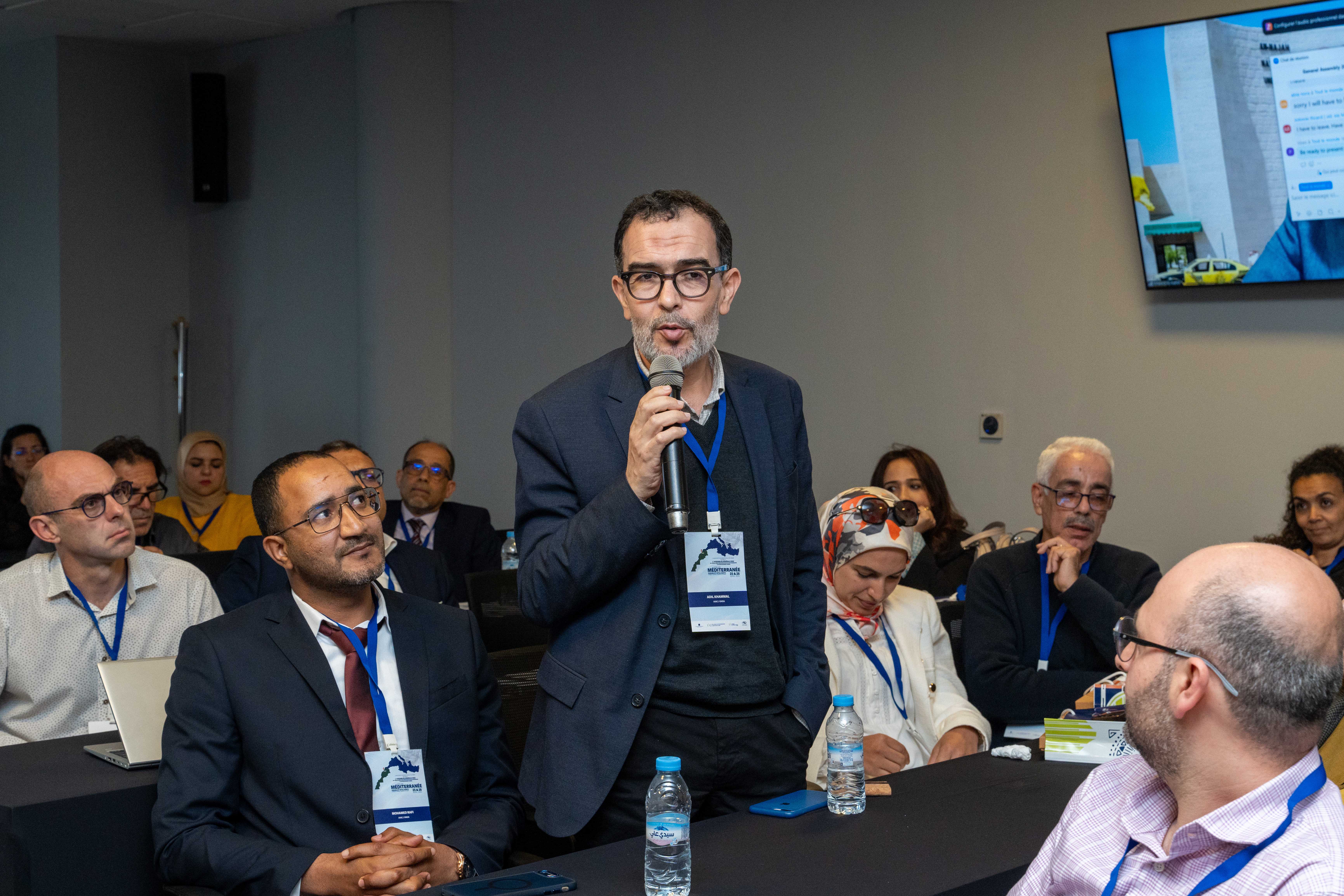
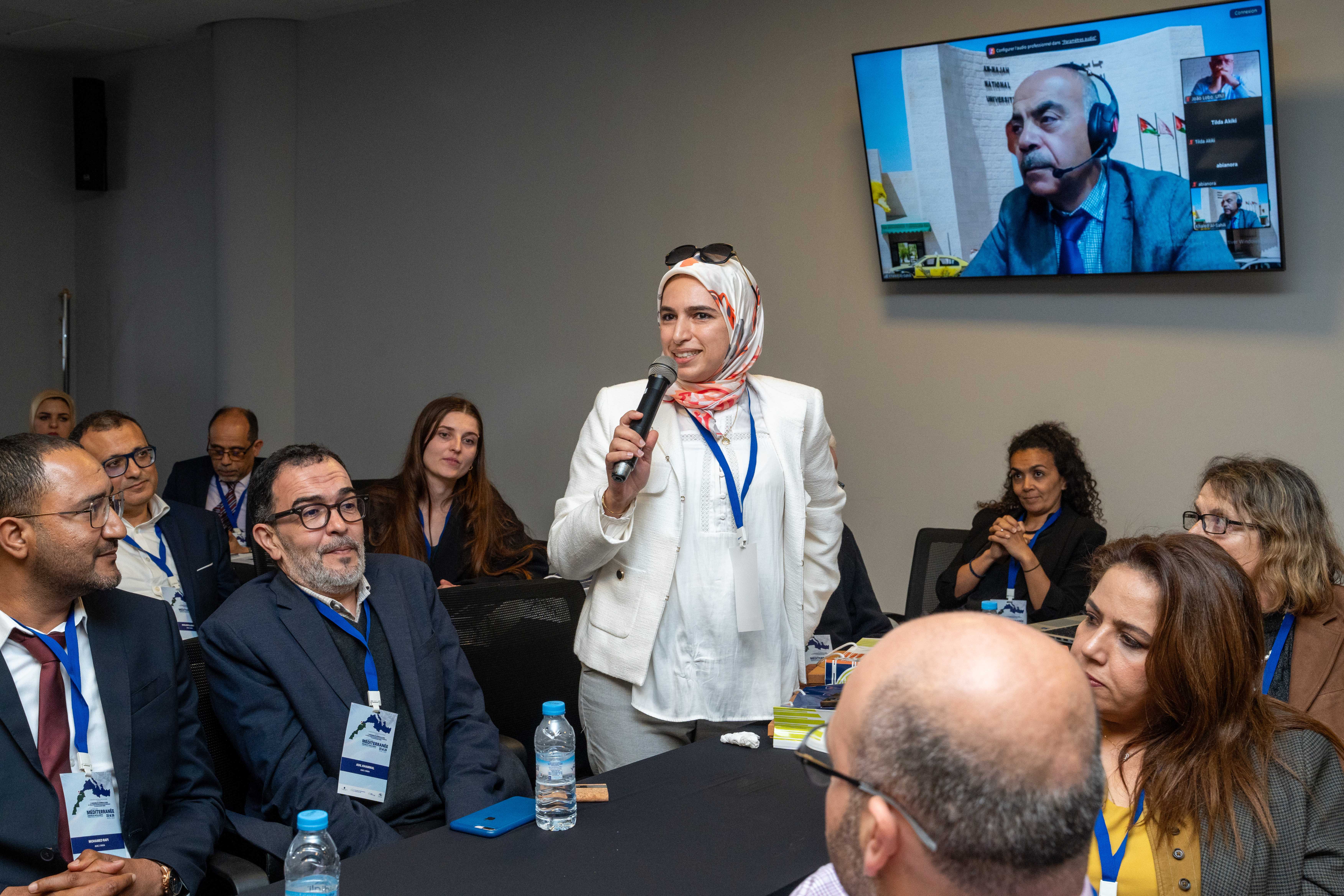
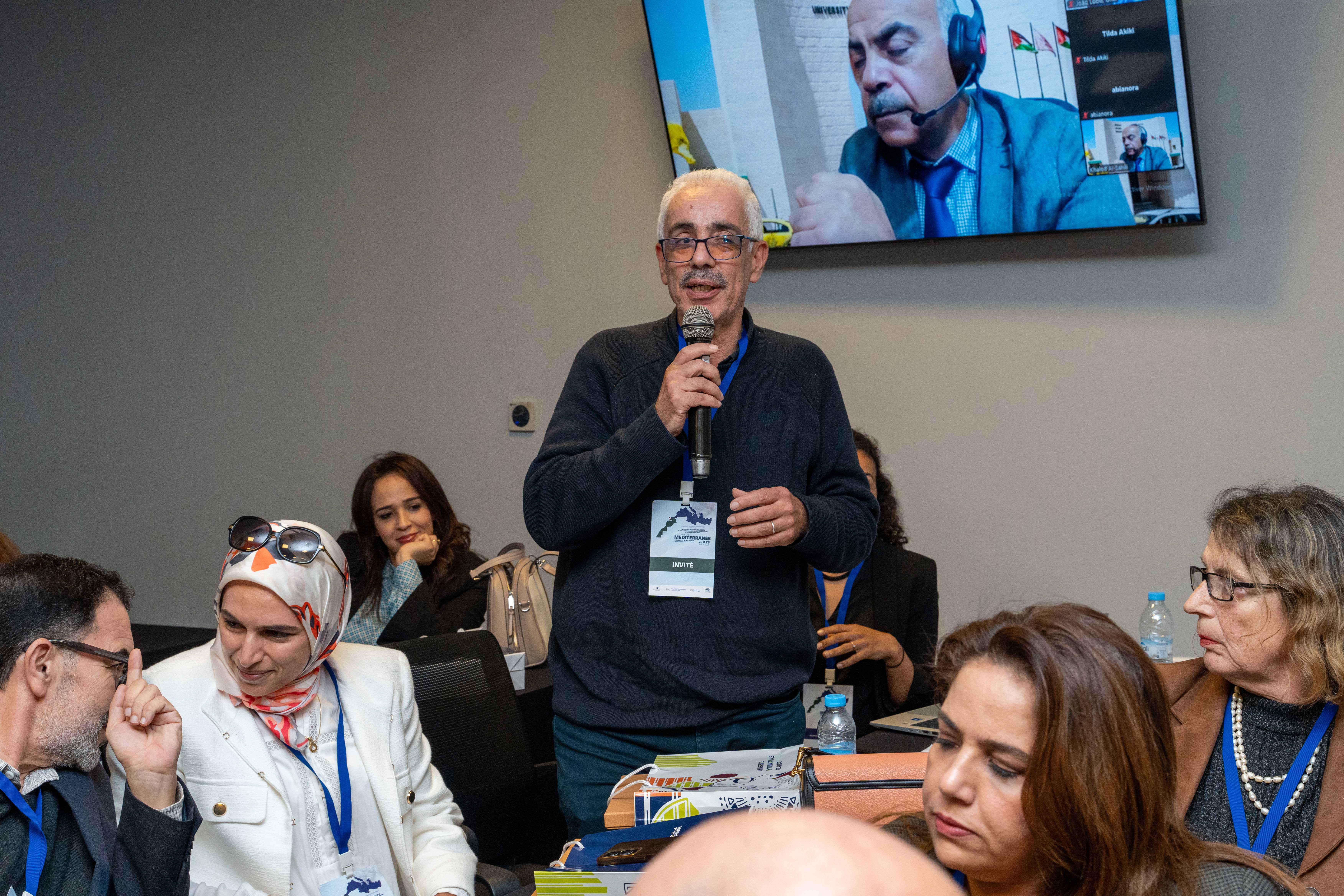
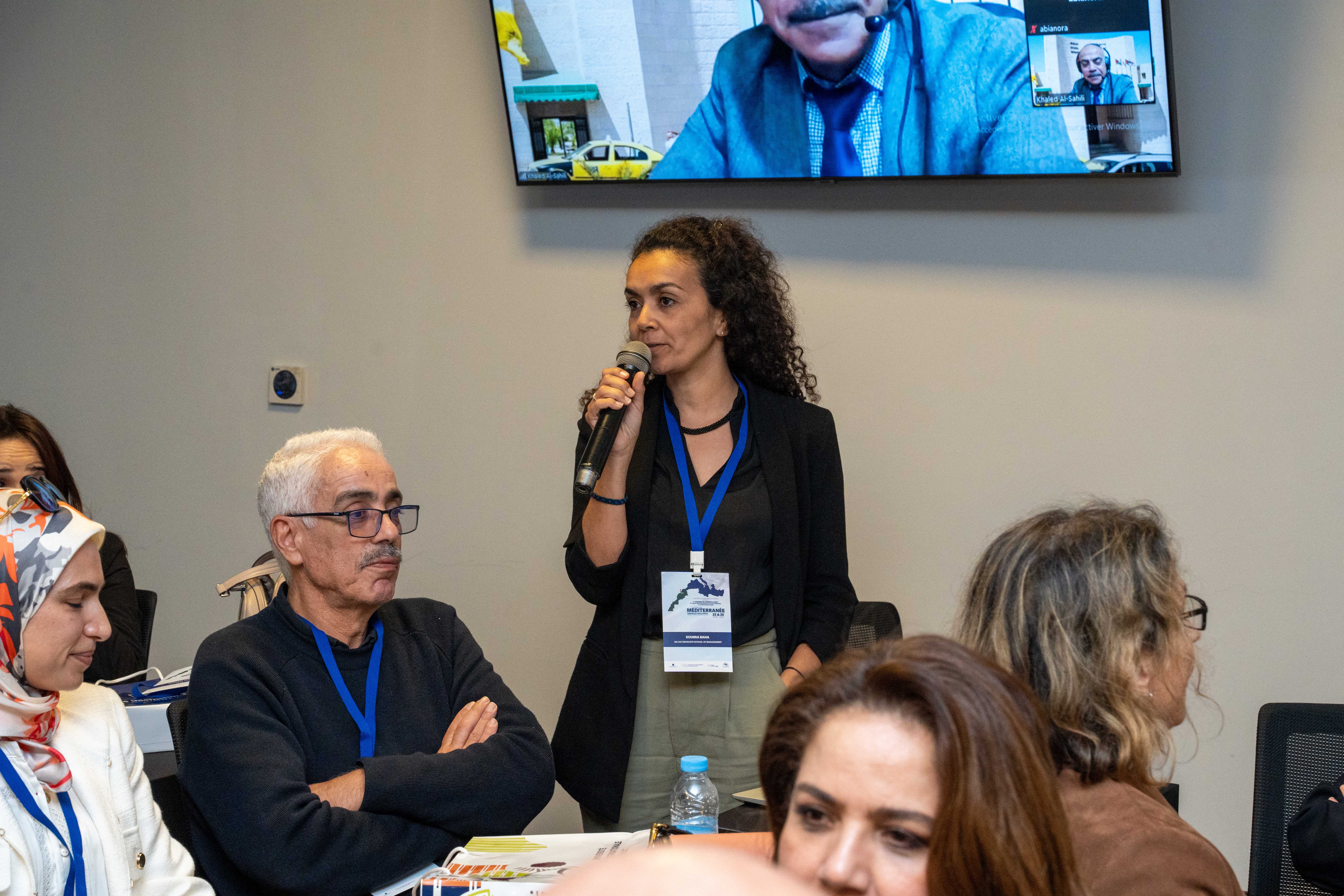
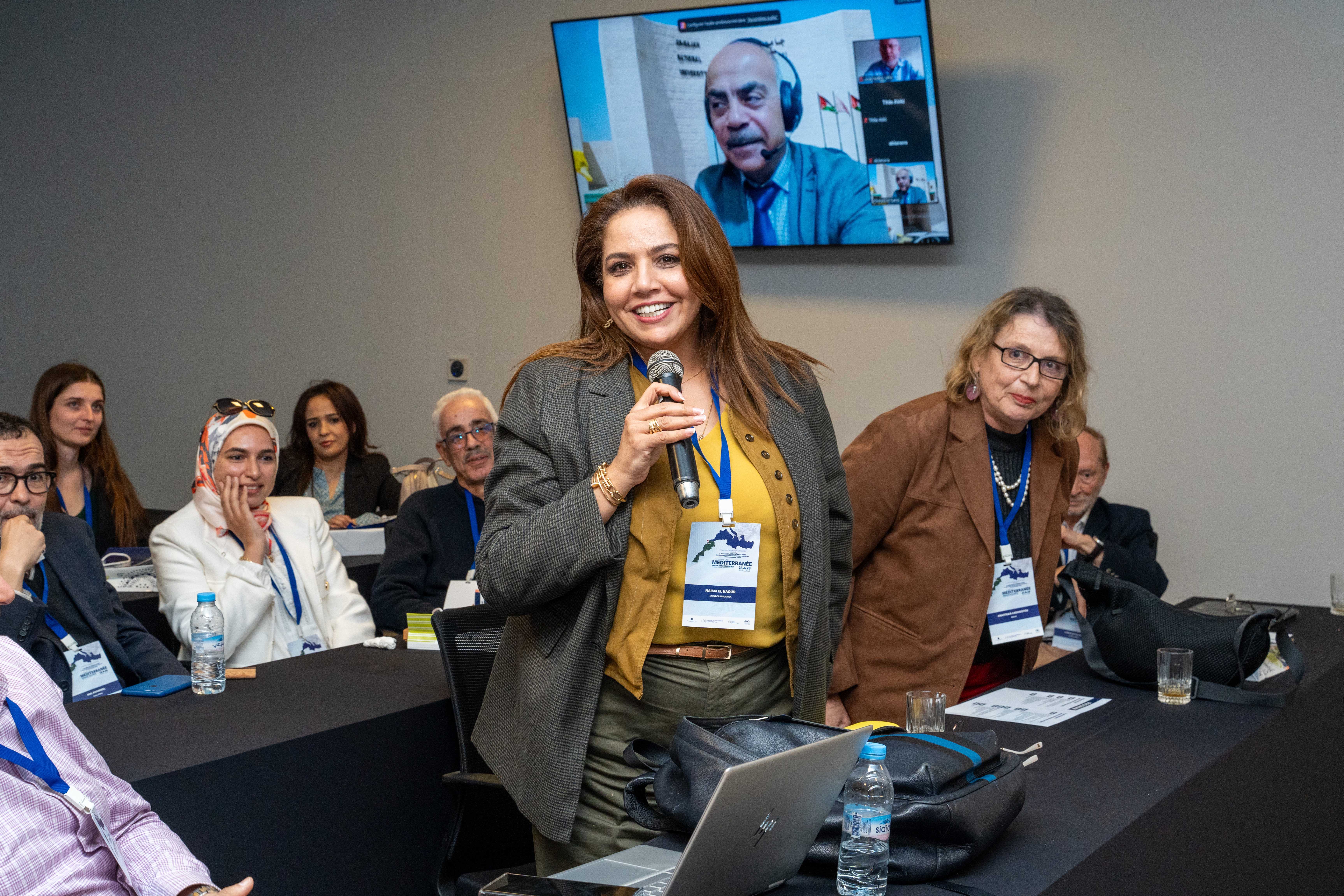
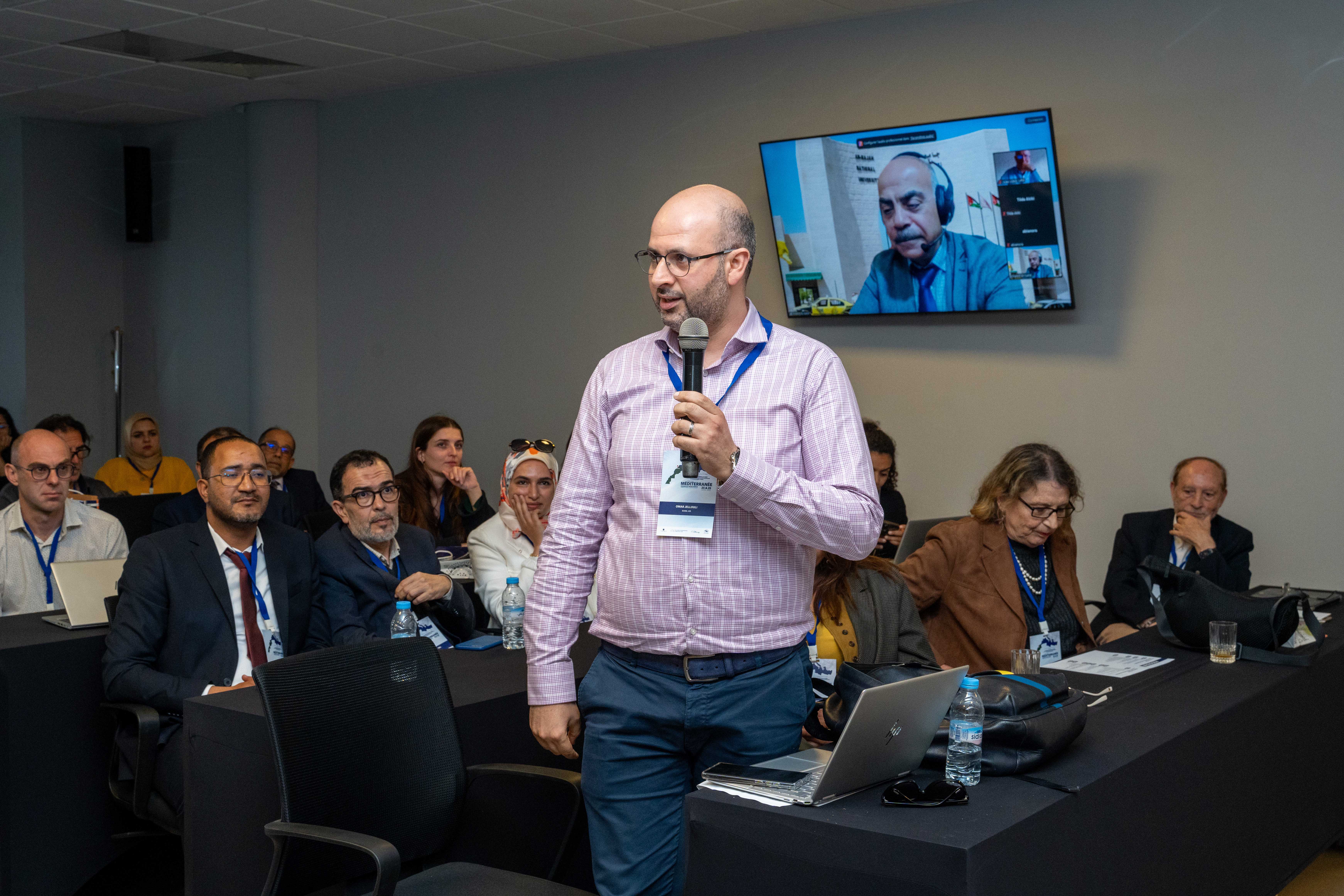
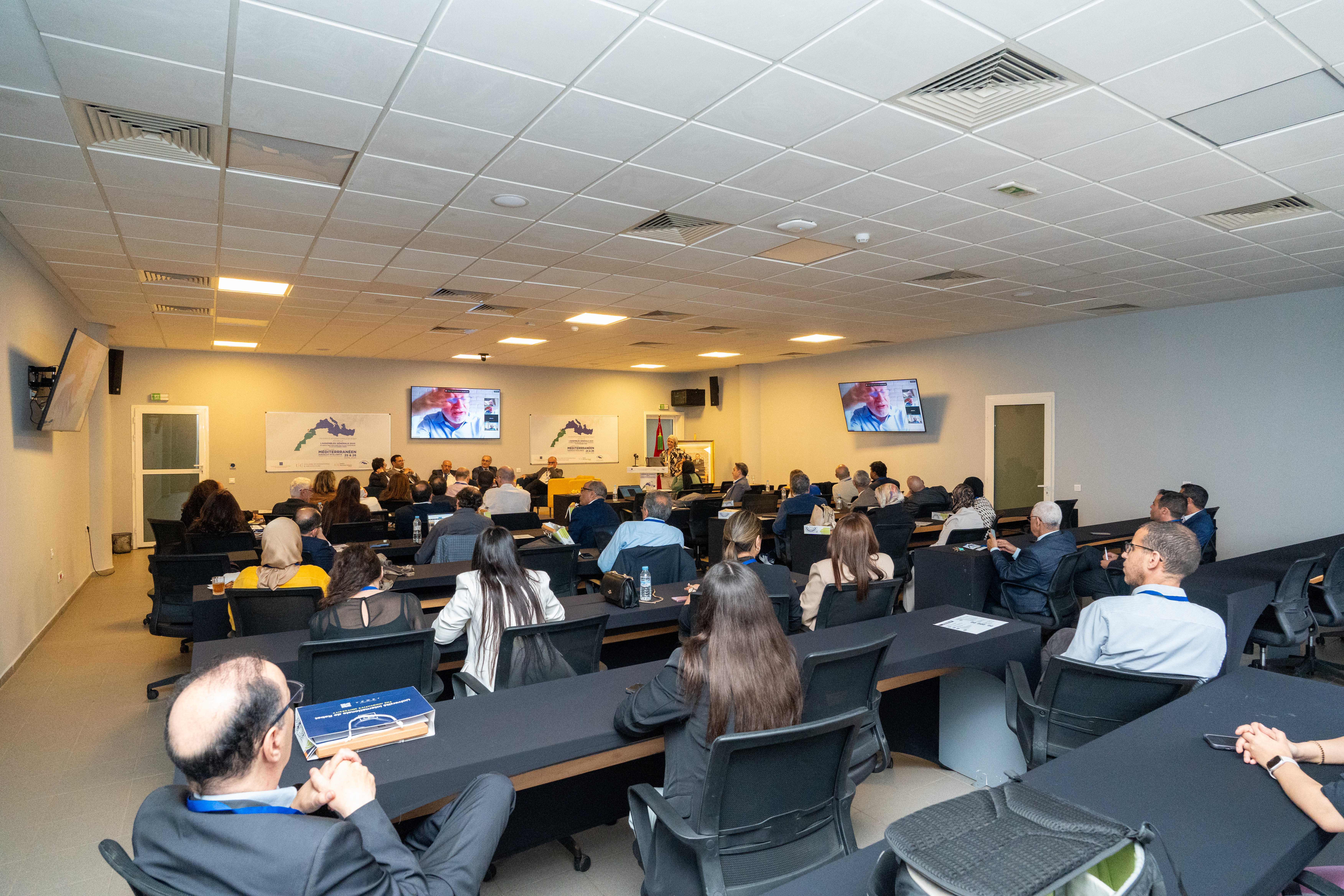
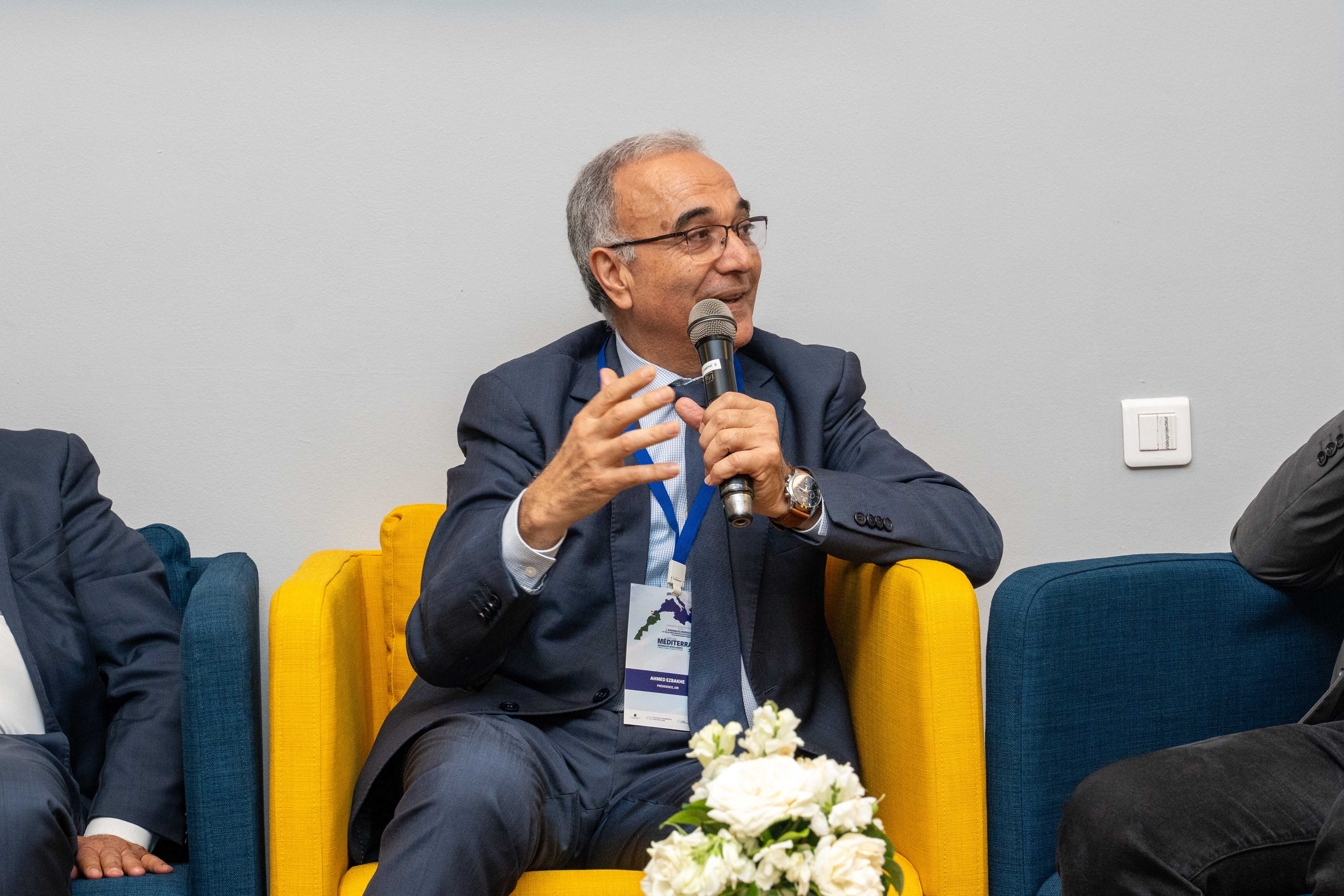
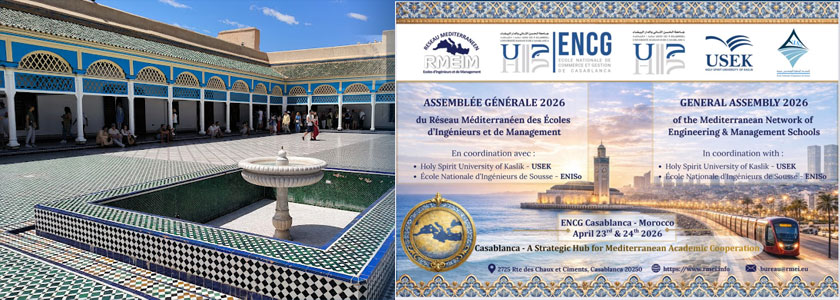
During the 2026 General Assembly of the Mediterranean Network of Engineering and Management Schools (RMEIM), held in ENCG Casablanca, members elected a new leadership team to guide the Network into its next chapter.
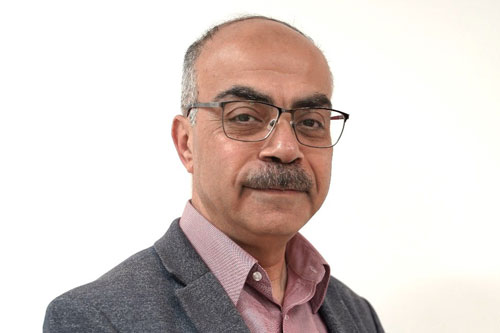
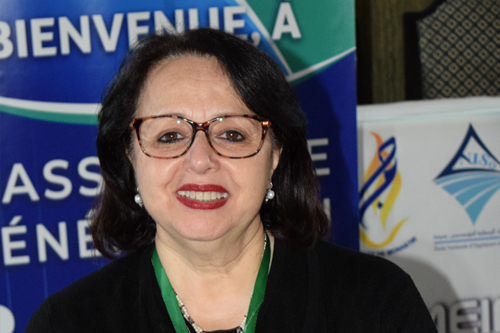
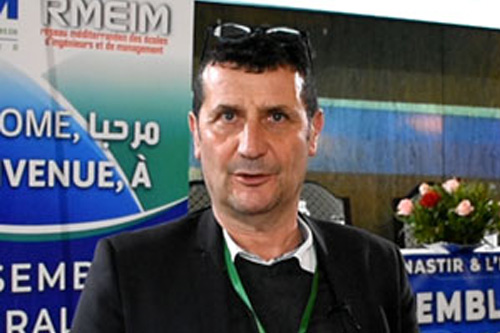
We are pleased to announce the election of our new:
We warmly congratulate them and wish them every success in leading our network of universities and schools across the Mediterranean. Their mandate begins at an exciting time, as RMEIM continues to strengthen cooperation in higher education, innovation, sustainability, student mobility, and regional dialogue.
We also extend our congratulations to the newly elected members of the Board of Directors, whose engagement and expertise will contribute to the strategic development of the Network.
Our sincere thanks go to the outgoing President, Vice-President, and Board Members for their dedication, commitment, and valuable contribution to the growth and vitality of RMEIM over the past years.



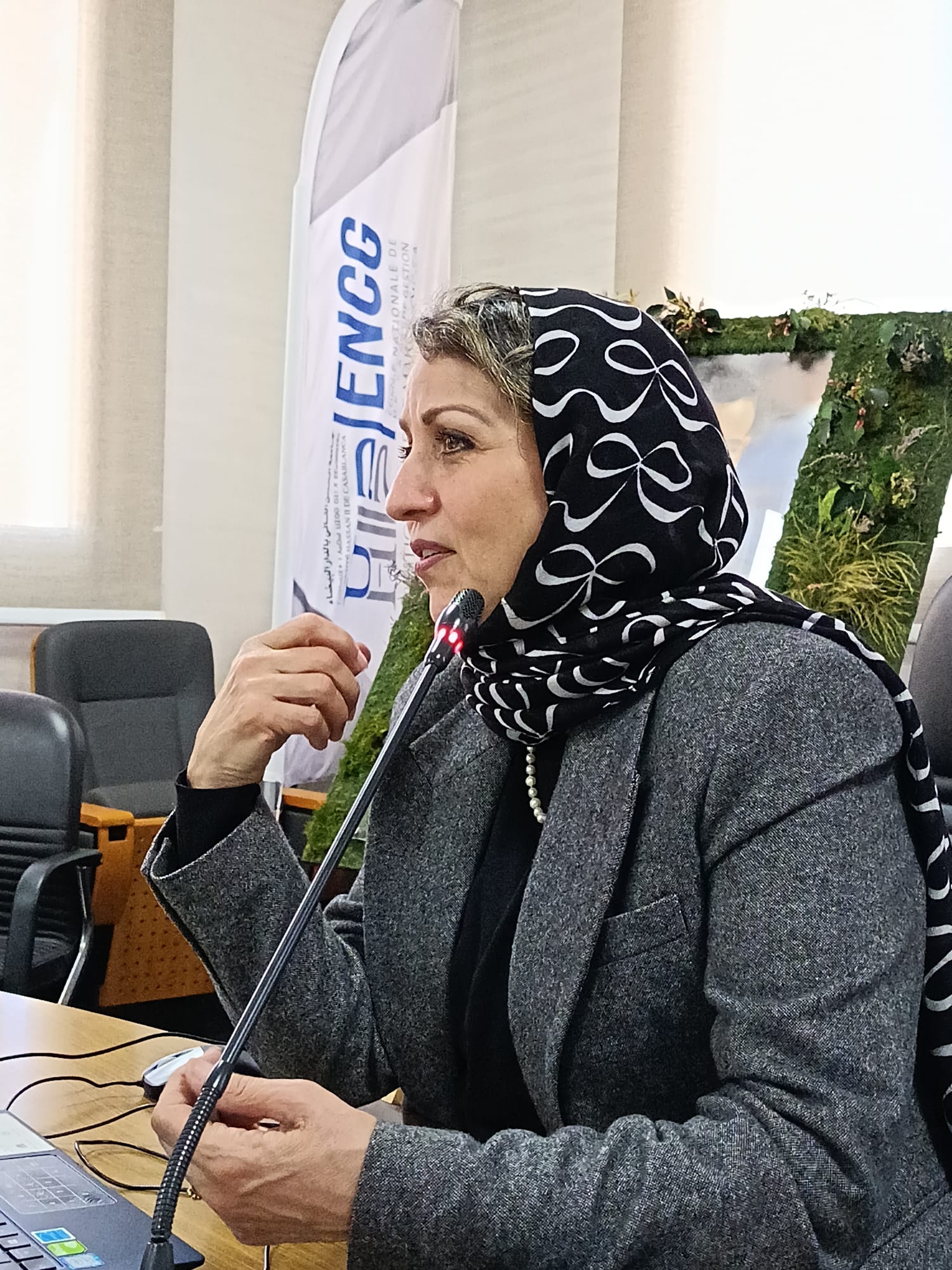
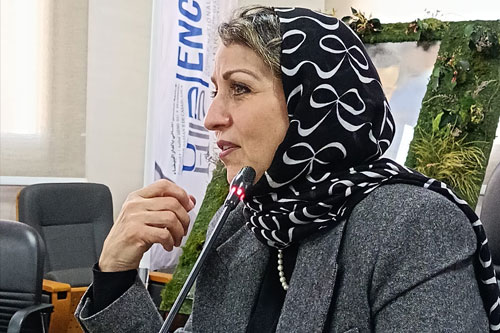
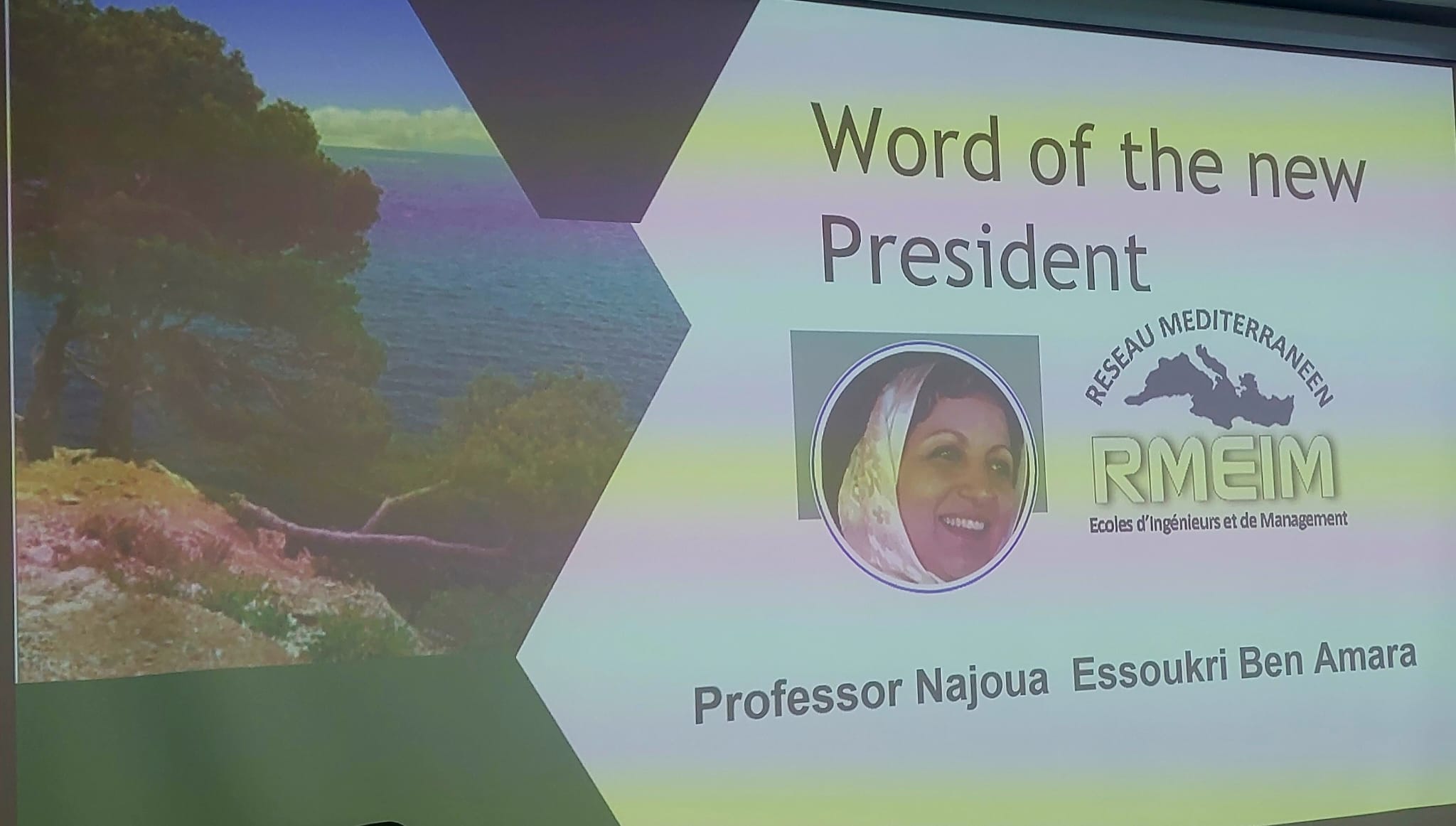
It is an honor to assume the presidency of the RMEIM network at a time when higher education institutions are called upon to play an increasingly strategic role in addressing global transformations.
The Mediterranean region, at the crossroads of cultures, knowledge systems, and development trajectories, stands as a space of both profound challenges and extraordinary potential. In this context, academic networks such as RMEIM carry a shared responsibility: to strengthen cooperation, advance knowledge, and contribute to inclusive and sustainable development through education, research, and innovation.
Building on the strong foundations, shared values, and spirit of cooperation that have shaped RMEIM over the years, particular attention will be given to encouraging academic and research collaborations that address key challenges facing the Mediterranean region, including sustainability, environmental protection, access to quality education, gender equality, and the development of innovative approaches in areas such as water, energy, health, and resilient societies.
As the network approaches its 30th anniversary in 2027, this milestone represents far more than a commemorative event. It offers an opportunity to reaffirm our collective ambition and to further strengthen RMEIM as a reference platform for academic excellence and cooperation across the Mediterranean and beyond.
The future of the network will continue to be guided by a clear strategic orientation aimed at consolidating and strengthening cooperation into sustainable and impactful partnerships among member institutions. This includes the consolidation of joint academic initiatives, the reinforcement of mobility schemes for students and faculty, and the gradual development of shared frameworks for academic collaboration.
Particular emphasis will be placed on operationalizing inter-institutional cooperation through further developing structured academic agreements and joint dual-degree programs, supporting the development of collaborative research and innovation initiatives, enhancing the pooling of expertise, competencies, and institutional resources, and expanding opportunities for students to benefit from diverse academic and cultural environments.
In parallel, RMEIM will continue advancing the development of a shared quality and excellence label, which will serve as a tool for mutual recognition, reflecting our shared standards and collective commitment to academic quality and visibility.
The network will also continue to broaden its engagement with international academic organizations, institutional partners, and socio-economic stakeholders, with the aim of reinforcing its role as a key platform for dialogue, innovation, and knowledge exchange.
In a world marked by increasing complexity, the role of academic networks is not only to connect institutions but also to contribute, within their capacities, to shaping more resilient, inclusive, and forward-looking societies.
As we move towards our 30th anniversary, our collective ambition is to further enhance the impact and strategic relevance of RMEIM, grounded in cooperation, shared responsibility, and academic excellence, as we move forward together.
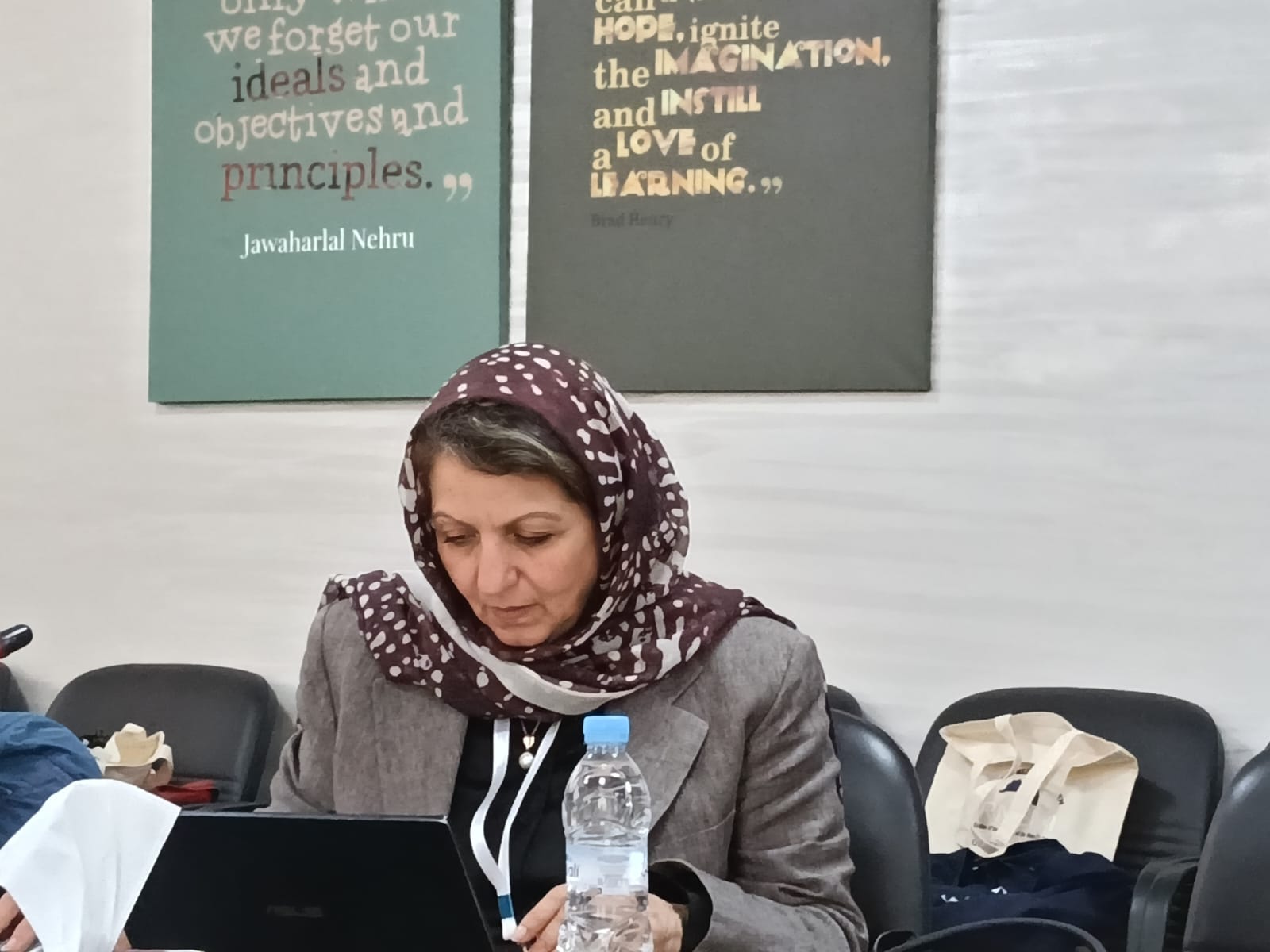
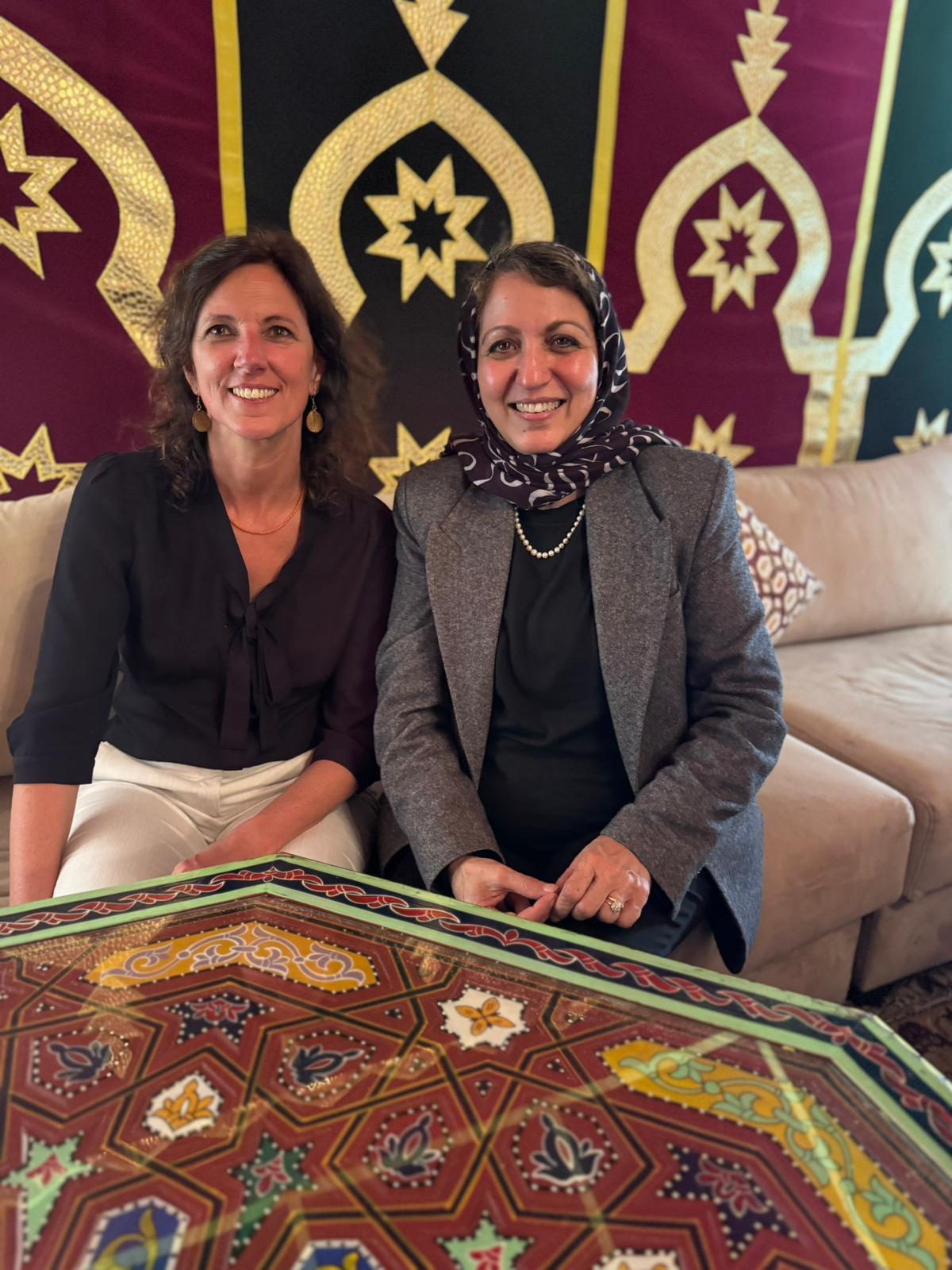
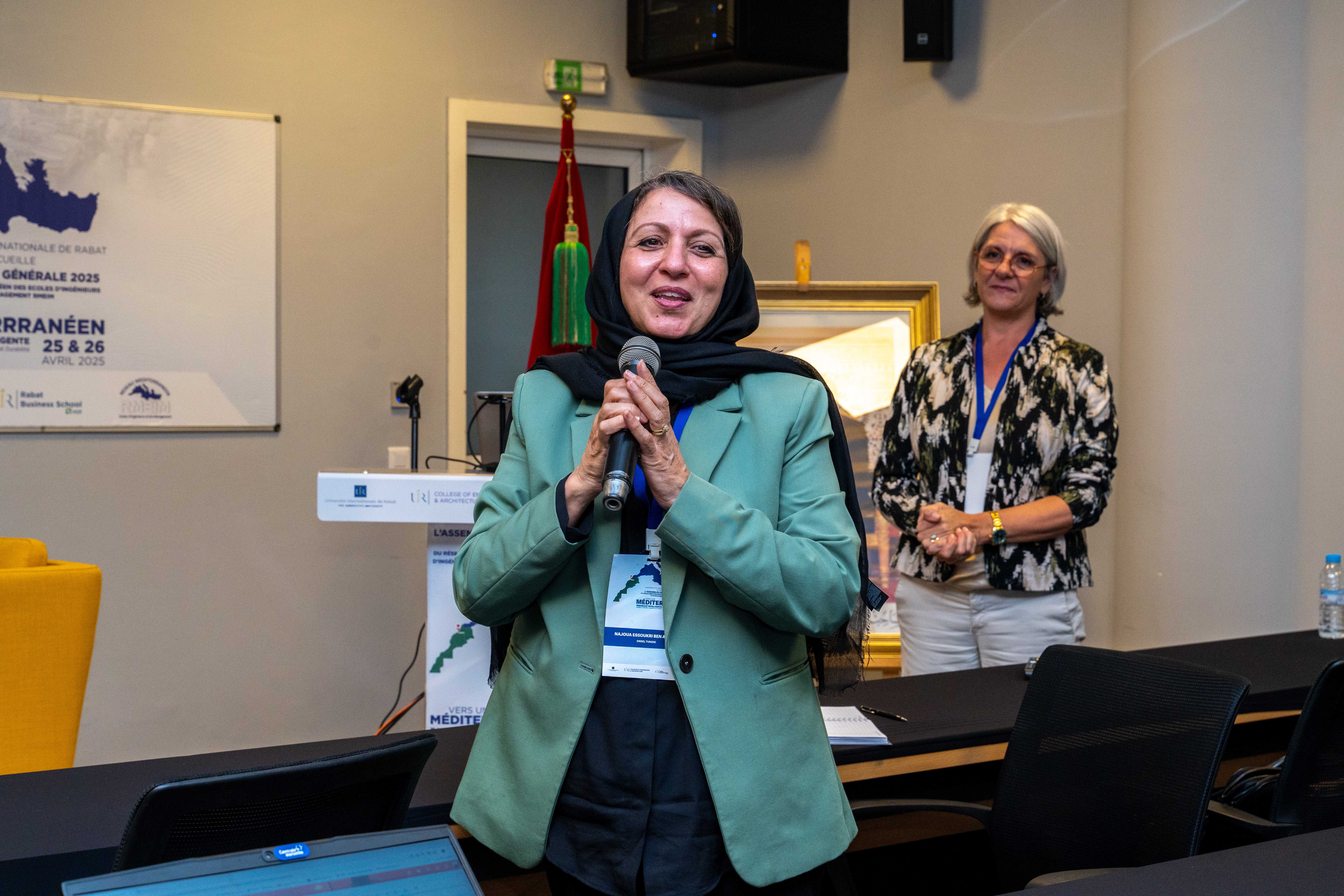
Prof. Najoua Essoukri Ben Amara
President-Elect, RMEIM (2026–2028)
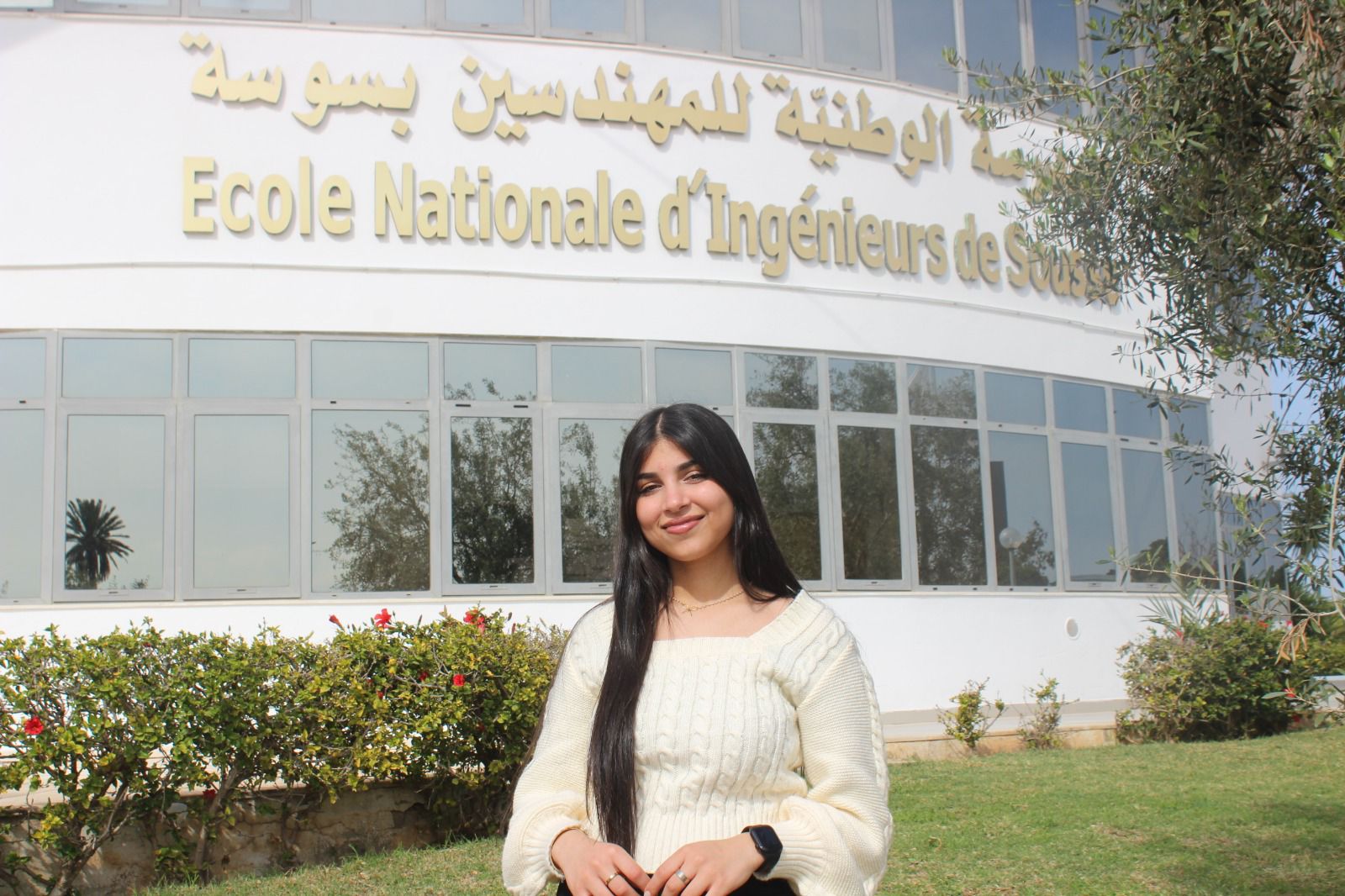
Director, National Engineering School of Sousse (ENISo)
University of Sousse, Tunisia